
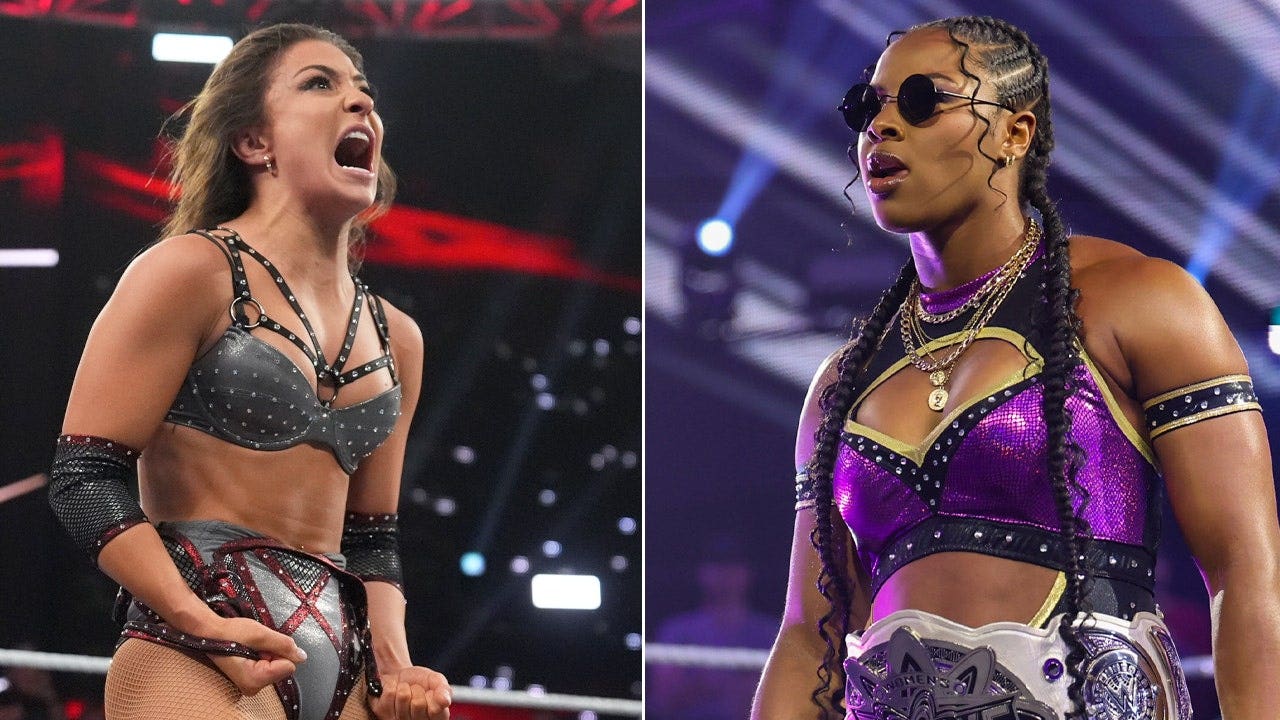
Booker T analyzes the meteoric rise of NXT superstars Kendal Grey and Kali Armstrong, and this piece walks through what makes each performer stand out, how NXT is shaping them, and what their next steps might look like in WWE. Expect a close look at ring style, character work, and the factors that give both athletes the kind of upside that gets legends talking. The tone is straightforward and optimistic about potential without overstating what still needs to happen.
Booker T has a knack for spotting traits that translate to the big leagues, and his interest in Kendal Grey and Kali Armstrong signals more than a passing nod; it’s recognition that the basics are solid and the ceiling is high. He pointed out how rare it is to see such a combination of athleticism and psychology so early in careers, and that kind of endorsement tends to accelerate attention from fans and decision makers. That matters in a place like NXT where momentum can be turned into meaningful pushes if timed right.
Kendal Grey arrives with a physical package that already looks main roster-ready: power, agility, and a crisp sense of timing that sells everything he does in the ring. Grey’s matches show someone who understands tempo, how to build a moment, and how to hit a sequence that sticks with the audience. When you combine that with a marketable look and a willingness to learn, you get a wrestler who’s hard to stall on a creative roadmap.
Kali Armstrong’s rise is rooted in intensity and a clear identity that connects right away with fans, especially those who value hard-hitting in-ring work and a no-nonsense attitude. Armstrong brings crisp strikes, solid mat work, and a presence that reads well on camera, which are all traits scouts and producers look for when weighing who gets a bigger stage. Consistency in her performances has created a sense that she can shoulder longer storylines and tougher matchups without losing momentum.
What both performers share is an adaptability that is easy to overlook until you see them in multiple match types and story contexts; they don’t just have moves, they tell a story in the ring. Booker T highlighted how that narrative instinct makes a wrestler useful across different scenarios, from mid-card feuds to eventual main event arcs. That sort of versatility reduces risk for bookers and opens up more booking possibilities without having to reinvent either performer’s character.
NXT itself plays a big role in refining raw talent, and the system has been particularly good at giving guys like Grey and Armstrong a laboratory to experiment without the immediate pressure of network television. The brand’s environment lets them try different promo styles, tweak in-ring pacing, and build chemistry with a wide array of opponents. That development track is crucial because it gives WWE leadership real evidence of growth rather than just potential on paper.
There are still milestones to clear: clearer long-term character commitments, matches that test them in hostile conditions, and more televised baggage that proves they can carry storylines for months. Those are the chips that turn buzz into legacy, and they’re not guaranteed. But the blueprint for advancement is visible: sustained in-ring excellence, smart promo work, and a few high-profile wins that change how both fans and executives see them.
If the goal is long-term placement on the main roster, strategic timing will be everything; premature moves can stall momentum, while waiting too long can frustrate fans and waste prime years. The safest path is one that pairs each wrestler with a storyline that amplifies their strengths and gives them a clear opponent to define themselves against. That approach preserves what’s working now and creates the memorable moments that justify promotions to larger stages without burning the material.
Booker T’s assessment puts a spotlight on potential more than results, and that’s useful because potential is only valuable when it’s translated into consistent, measurable steps forward. For Kendal Grey and Kali Armstrong, the next phase is about converting attention into seasoning—longer feuds, tougher tests, and smarter character choices. The direction they take now will shape how fans remember their beginnings and, ultimately, how high they can climb within WWE.
