
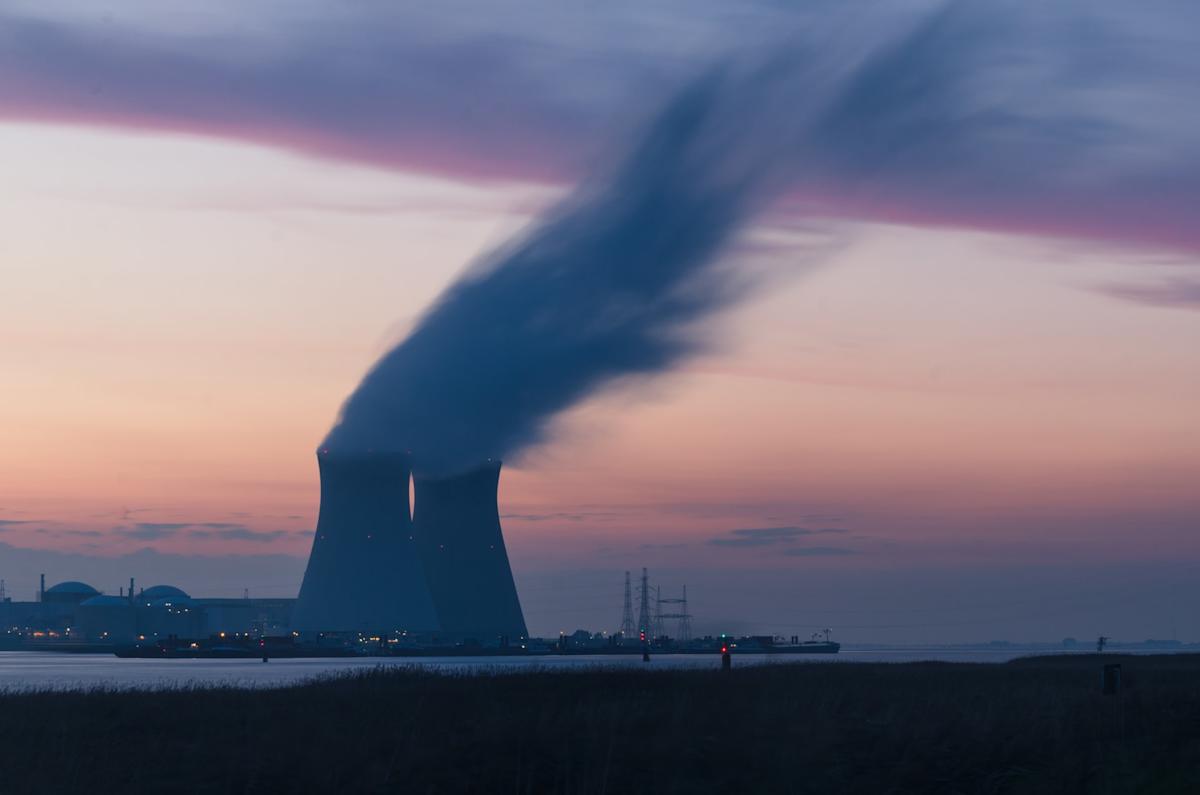
Duke Energy’s Robinson Nuclear Plant just cleared a major regulatory hurdle: the Nuclear Regulatory Commission renewed its operating license, extending the plant’s life another two decades. The decision keeps a large carbon-free generator online for the region, preserves hundreds of jobs, and locks in tax revenue for local communities. This article outlines what the renewal means for reliability, the local economy, and Duke Energy’s broader nuclear strategy.
The Robinson Nuclear Plant, located in Hartsville, South Carolina, produces roughly 759 megawatts of carbon-free electricity, enough to serve hundreds of thousands of homes. That steady output plays a key role in keeping the grid reliable through periods of high demand and in smoothing out variability from wind and solar resources. Keeping proven baseload generation online helps balance the energy mix while other technologies scale up.
The license renewal runs through 2050 and secures about 500 skilled jobs tied directly to the plant, plus a significant annual local tax contribution. Those payrolls and tax dollars matter for small communities that rely on stable employment and municipal revenue. For residents and county leaders, the renewal is both an economic lifeline and a practical win for predictable power costs.
Robinson is the second of Duke Energy’s plants to win a subsequent license renewal, following other recent approvals at sites in the company’s fleet. Duke has signaled an intent to pursue similar extensions for all 11 of its operating nuclear units, aiming to maximize the useful life of existing assets. Extending licensed operation is often less costly than building new large-scale plants and can deliver steady, low-carbon power at scale.
Leaders at Duke framed the renewal around safety, reliability, and local benefits, pointing to rigorous oversight and ongoing maintenance. The company emphasized the plant’s safety culture and the long track record of performance that informed regulators’ decision. That message aims to reassure customers and communities while underscoring the role nuclear plays in regional energy security.
“Extending the operating life of this proven asset helps us deliver low-cost, always-on electricity for customers while supporting jobs and energy security for the region. Robinson’s subsequent license renewal reflects the strength of our safety culture and the rigorous work our teams do every day to support our communities.”
Local elected officials welcomed the renewal as a win for families and the local economy, noting the plant’s historic role in the region’s power mix. Community leaders highlighted the economic ripple effects of a major employer remaining active and the stability that provides for schools, services, and small businesses. The renewal also preserves a skilled workforce whose experience is critical to safe, long-term plant operations.
“For 50 years, Robinson Nuclear Plant has been the backbone of South Carolina’s nuclear fleet. The extension of its license is monumental for the Pee Dee and allows Duke Energy to continue providing affordable, reliable electricity to homes and businesses in the region. This renewal is a win for families in the Pee Dee, Robinson Nuclear Plant’s employees and Darlington County as a whole.”
From an investor perspective, nuclear license renewals can reduce long-term operational uncertainty and improve asset valuation, though capital and regulatory costs remain part of the equation. Some investors weigh the steady, dispatchable output of nuclear against growth opportunities in other sectors such as advanced technologies and renewables. Market watchers also note that policy shifts, grid needs, and fuel economics will shape how nuclear fits into utility portfolios going forward.
Technically, keeping Robinson online through 2050 supports regional efforts to cut emissions without compromising grid stability, especially as intermittent resources expand. The plant’s carbon-free generation complements wind, solar, and storage by providing continuous output when variable sources are limited. As utilities plot decarbonization pathways, preserving reliable, proven assets can be a pragmatic bridge during the transition.
For the community around Hartsville, the decision is immediate and tangible: jobs preserved, tax revenue secured, and affordable, reliable electricity kept on the grid for decades. For the broader power sector, Robinson’s renewal is a reminder that existing nuclear assets remain valuable pieces of a balanced energy strategy. As Duke pursues similar renewals across its fleet, regulators, communities, and markets will watch closely to see how these decisions shape regional reliability and long-term decarbonization efforts.
