
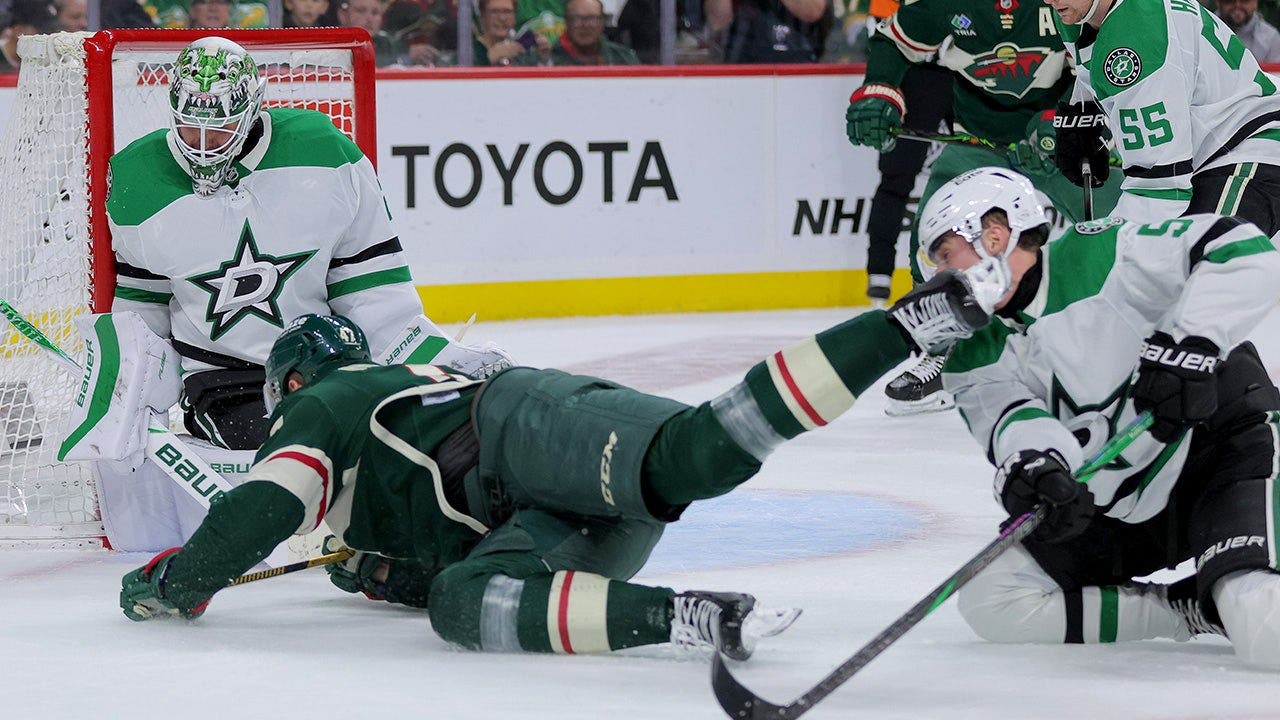
Matt Boldy’s overtime strike knotted the Wild-Stars Stanley Cup Playoff series at 2-2 in a dramatic Game 4, a contest that also featured a frightening skate blade injury to Nils Lundkvist. The win flipped momentum back to Minnesota and left both clubs with new questions about toughness, depth, and player safety. What unfolded on the ice mixed raw playoff drama with a jolt of real-life peril, reminding fans why postseason hockey feels so urgent and risky.
The game itself was a grind from the opening whistle, with defenses trading possessions and goalies steady through tight chances. Neither team surrendered many clean looks, so the fact that the contest needed extra time was hardly surprising. When a playoff tilt boils down to sudden death, margin for error disappears and desperation breeds opportunity.
In overtime, Boldy found the moment every scorer dreams about and the bench lives for during long stretches of silence. He capitalized on a chaotic sequence in front of the net, putting a high-pressure finish past the Stars’ goaltender to end it. The goal felt inevitable in hindsight because Boldy kept attacking the crease, refusing to let the play die on the perimeter.
Celebrations spilled onto the ice as teammates swarmed Boldy, the crowd roared, and the momentum shifted like an ocean tide. For Minnesota, the win erased the sting of a late loss and handed the series back to even terms. For Dallas, the defeat stung harder because it came after they had held their own for much of the night.
But the game’s most jarring moment came when Nils Lundkvist suffered a skate blade injury that looked grim in real time. He was visibly shaken and required immediate attention, which brought a hush over the building and a reminder that the stakes in playoff hockey include physical cost. Medical staff moved quickly, and teammates circled around him, emphasizing how fragile these athletes can be despite their toughness.
Those scenes always raise questions about equipment, luck, and the random cruelty of contact sports. Skate blades are unforgiving, and even routine collisions can produce scary outcomes when timing and position align poorly. Teams and fans spend the rest of the night thinking about the player first and the series second, because health matters more than highlight reels.
On the tactical side, Game 4 offered both coaches a lot to chew on. Minnesota showed a blend of speed and structure that paid dividends in transition, while Dallas leaned on physicality and tight gap control to frustrate opposing forwards. Adjustments will be inevitable on both benches as the series moves into its next stretch, with each coach trying to exploit small edges that can tilt a playoff series.
Individual matchups also took on greater importance, with every faceoff win and zone exit magnified by the overtime context. Boldy’s finish underscored the value of aggressive net-front play, something Minnesota will look to reproduce and Dallas will aim to limit. Meanwhile, how each team manages attention to puck battles and second-chance opportunities could decide the next game.
Beyond tactics, there’s a mood shift that follows a game like this: confidence and caution live side by side. Players who scored or made big defensive stops gain swagger, while everyone else takes stock of what needs tightening up. The injury to Lundkvist adds an extra layer of urgency to the mental game, as teammates cope with the reminder that playoff intensity can have real consequences.
With the series now deadlocked at two apiece, the upcoming matchups promise to be sharper and more deliberate than ever, with coaches dialing in matchups and special teams under the microscope. Expect both clubs to lean on their leaders and depth pieces as the platform narrows and errors become priceless. Hockey fans should brace for more edge-of-your-seat moments and the kind of toughness that only playoff hockey reliably delivers.
