
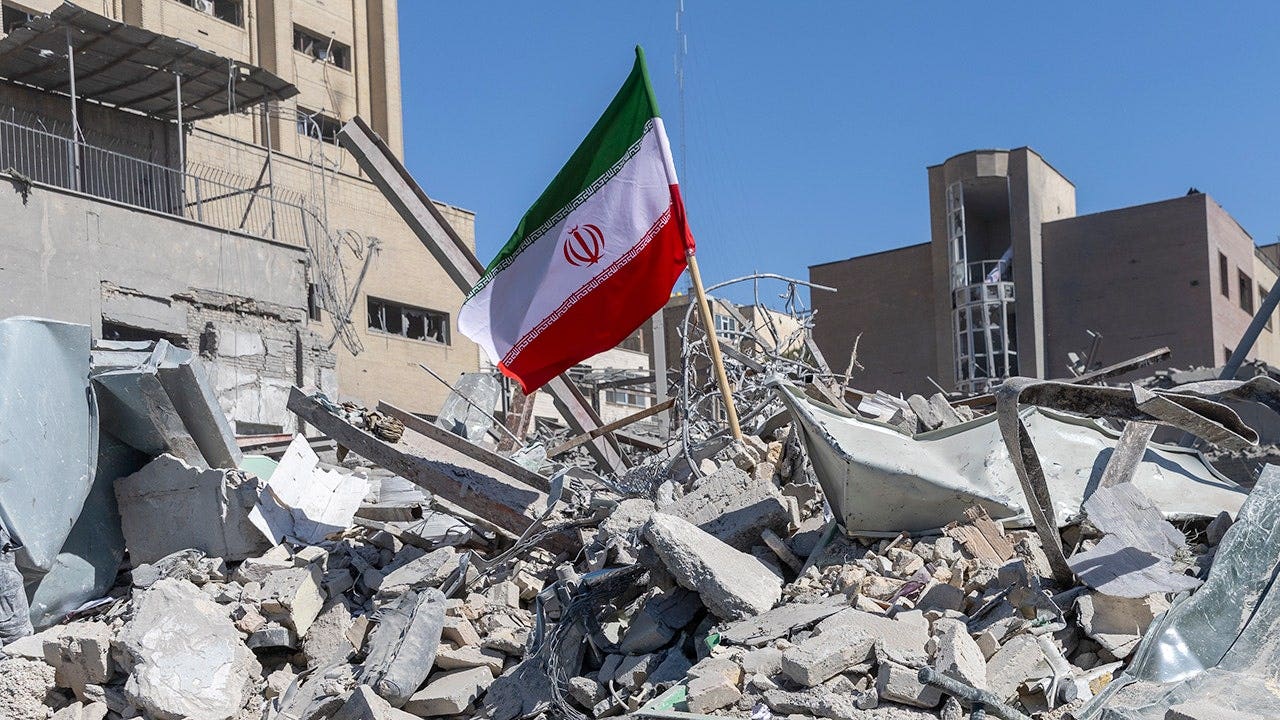
This piece lays out how Iran’s ruling system has been weakened across its nuclear, missile, naval and economic capabilities, how its regional networks and command structure have been battered, and why turning that setback into a lasting strategic win will take steady American resolve. It argues the regime can still survive but is strategically hollowed out, faces deep domestic unrest and regional isolation, and presents a set of challenges that demand firm, patient policy. The core question is whether U.S. leadership will press that advantage and prevent a rebound driven by China or Russia.
Iran’s nuclear effort has been stalled and set back in ways that matter. Key enrichment and reprocessing nodes were degraded and weapons-related infrastructure damaged, leaving years of work to rebuild. Losing senior technical talent makes recovery slower and riskier for Tehran.
Ballistic missile production has collapsed from prior monthly output to almost nothing, and many launch sites and stockpiles have been destroyed. The regime’s missile leadership has been targeted and removed, further disrupting any coherent replenishment plan. This is a practical, not symbolic, blow to Iran’s strike capacity.
US ‘WINNING DECISIVELY’ AGAINST IRAN, WILL ACHIEVE ‘COMPLETE CONTROL’ OF AIRSPACE WITHIN DAYS, HEGSETH SAYS
Iran’s air defenses no longer offer the protection they once did; allied air and drone operations now enjoy far greater freedom over Iranian territory. That changes tactical calculations and increases the regime’s vulnerability to precision operations. When airspace control slips, so does the ability to shield strategic assets.
The economic picture is bleak for Tehran and immediate in its effects on ordinary Iranians. Oil exports have been squeezed, key industries are battered, inflation has surged and basic goods are harder to secure. Storage limits for crude are being pushed, and losses measured in tens or hundreds of billions have a shock effect on state finances.
The regime’s leadership corps has been hollowed out by targeted strikes that removed top figures and commanders. With the Supreme Leader gone and successors wounded or disorganized, central authority is fractured. A decapitated command chain makes coherent, long-term military or political strategy much harder to execute.
Regionally, Iran is losing the logistical and political ties that once kept its proxy network supplied and active. Hezbollah, Hamas and other partners are degraded and operations across borders are harder to sustain. The phrases “Axis of Resistance” and “ring of fire” are now thinner slogans than functional realities.
The overland route through Syria that once connected Tehran to the Mediterranean is closing fast. Damascus has shifted away from reliably serving as a transit corridor, arresting smugglers and blocking arms flows. With the Syrian corridor severed, classic smuggling lines and front-line coordination falter.
Lebanon’s political posture is shifting and Tehran’s influence there is under pressure. Hezbollah’s supply lines are squeezed and Beirut is signaling a new willingness to engage Israel directly over security arrangements. That creates a chance to press for disarmament of militias and stronger state control over defense.
Domestic unrest is now a strategic factor Iran cannot ignore, with repeated nationwide protests and strikes from traditional regime supporters like bazaar merchants and oil workers. Power, water and fuel shortages combined with wage and pension woes have pushed the economy into crisis and widened public anger. The regime responded with violence to survive, but repression breeds longer-term instability.
That all leaves a slate of serious risks and unfinished tasks: remaining enriched material, hidden stockpiles, Houthi and Hormuz threats, and the prospect of a diplomatic deal that rescues Iran politically without dismantling its capabilities. A patient, resolute American policy is needed to prevent a rebound funded or protected by China or Russia. The strategic defeat Tehran has suffered can be turned into lasting advantage, but only if U.S. policy remains disciplined and focused on durable outcomes.
