
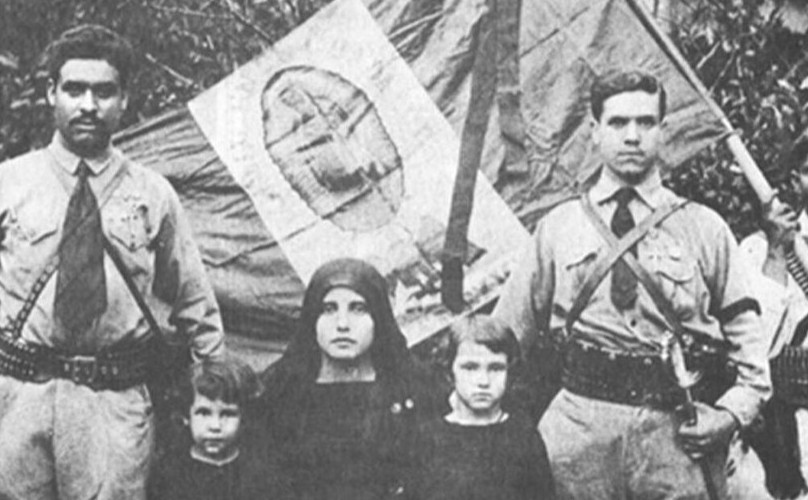
On the centenary of the Cristero War, Bishop Sigifredo Noriega Barceló of Zacatecas urged Catholics to deepen their knowledge and stand ready to defend their faith peacefully so similar conflicts do not recur. This article looks at his message, why religious formation matters, and practical steps communities can take to strengthen belief and public witness. It frames the call as a civic and spiritual responsibility rooted in history, not a march toward confrontation.
Bishop Sigifredo Noriega Barceló spoke from Zacatecas with the gravity of someone marking an anniversary that still echoes across Mexico. He tied the present to the past by recalling how weak formation and social fractures helped fuel violent confrontations a century ago. His main point was clear: informed, committed faithful are a safeguard against the conditions that produce religious conflict.
At the heart of the bishop’s message is a straightforward idea: knowing your faith changes how you live it. Catechesis is not mere background noise; it gives people confidence, coherence, and the ability to explain their beliefs calmly. When believers understand doctrine and history, they are less likely to be swayed by fear or misinformation.
Practical formation can take many shapes, and the bishop pointed toward parish life as the starting place. Regular teaching programs, accessible study materials, and vibrant sacramental practice create a culture where faith is an active habit. Families also play a crucial role by passing basic teaching and a sense of belonging to the next generation.
Defending faith does not mean picking fights in the public square; it means knowing rights, engaging respectfully, and offering witness through service. Faithful citizens who understand legal protections for religious practice are better equipped to challenge overreach without hostility. Public engagement rooted in charity and truth tends to silence extremes and opens space for constructive solutions.
Community networks matter too, and the bishop encouraged parishes to invest in leadership training and youth outreach. Young people who are formed early become adults who can articulate values calmly and stand firm when pressures arise. Building friendships across denominations can also reduce suspicion and model cooperative citizenship.
Remembering the Cristero War is more than historical ceremony; it is a reminder of what happens when social bonds fray and religious identity is treated as a threat. Violence left generational scars, and the anniversary calls for vigilance without sensationalism. Learning the lessons of the past means bolstering institutions and practices that protect both faith and peace.
The bishop’s plea centers on disciplined preparation rather than posturing, and that distinction matters. Communities that invest in thoughtful formation will be less prone to panic and more able to defend both conscience and common life. This anniversary is an invitation to steady work: study, prayer, service, and clear public witness that honors faith while upholding peace.
