
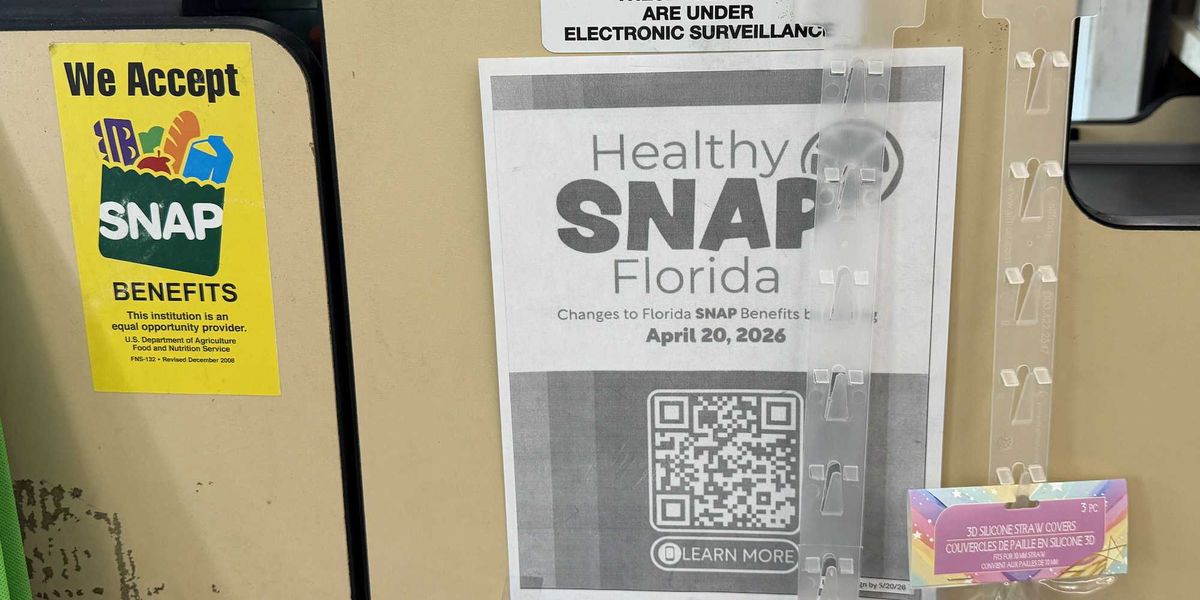
This article looks at a sharp online clash after a Florida man complained about limits on soda and candy purchases with SNAP benefits, then sparked a torrent of pushback defending the ban, cited arguments about nutrition and taxpayer fairness, and noted a legal challenge from program recipients. It lays out the key reactions from policy commentators, critics, and the original poster, preserving direct quotes and the social embeds tied to the conversation. The piece focuses on the policy issue and the arguments made for keeping SNAP strictly about nutrition rather than treats.
The complaint came from a Florida resident who posted a blunt take about the new restriction on SNAP purchases. “As of today, Florida SNAP recipients can’t buy soda or candy because God forbid we allow a single mom and her kids a few moments of happiness at the end of the day,” he wrote, and that message quickly drew national attention. The reaction reveals how strongly people feel about using taxpayer money for basic food needs versus discretionary treats.
Supporters of the restriction framed the policy as common sense and aligned with SNAP’s mission. “There is no nutritional value in candy or soda. What Texas and Florida are doing fits the purpose of the program, which is making sure families have access to nutritious food. It buys meat, milk, bread, eggs, etc,” economic expert Amy Nixon . Those defenders argued taxpayers should fund sustenance, not sugar.
Other conservatives pushed the fairness angle hard, reminding the public that most people pay for their own luxuries. “Where does it end? How much should taxpayers be on the hook for? It’s not Monopoly money. We give people who (mostly) made decisions resulting in the [U.S.] paying their way. There are thousands of people who don’t use benefits who have to say no to soda/candy bc they can’t afford it,” Blaze Media social media editor Jessica O’Donnell . The point was that public assistance should prioritize essentials.
Another direct voice clarified what SNAP covers and why the restriction makes practical sense for a welfare program. “SNAP recipients can still buy soda and candy if they want. They just have to use their own money, like everyone else. SNAP is government assistance for supplemental NUTRITION; soda & candy is not nutrition,” GOP communications specialist Christina Pushaw . That line of argument ties the program’s name to its real purpose.
Comments defending the policy often used the word luxury to separate wants from needs. “Soda and candy are luxuries. If you are reliant on taxpayer funding to feed your family, then you cannot afford luxuries. Many average citizens who DO NOT rely on taxpayer funding have to cut out luxury items,” another popular response . Advocates said the program should not erode to cover nonessential items.
Some responses were blunt about intent and responsibility, rejecting the idea that taxpayer benefits should include treats. “Taxpayer funded SNAP was not designed to bring single moms and kids moments of happiness,” another critic . The sentiment reflected a conservative view that assistance is a bridge to stability, not a license for indulgence.
At the same time, a group of SNAP recipients has brought a legal challenge arguing the restriction discriminates against people with specific medical or behavioral conditions. The lawsuit claims the rule unfairly harms diabetics and those with avoidant or restrictive food intake disorder, raising a medical and civil-rights dimension to the debate. That case is likely to test how broadly states can define eligible purchases under federal rules.
https://x.com/texasrunnerDFW/status/2046261393591087565
The social media storm included a widely shared video clip that pushed the conversation further into public view and drew fresh commentary.
The clip and related posts amplified the clash between practical budget priorities and emotional appeals for small comforts.
The original poster returned to answer critics and broadened his complaint to include government spending elsewhere. “I’m obviously not spending my day replying to all of these but if you are bothered by people getting a soda and some candy but not the billions and billions of dollars that we waste every day at the Pentagon, you should do some soul-searching,” . That reply shifted focus from SNAP specifics to larger fiscal concerns.
He also compared the cost of expanded benefits to major national expenditures to make a budgetary point. “We could fund an entire week of nationwide snap benefits for every day of our engagement with Iran,” he . That calculation underscored a broader conservative argument about reallocating spending priorities rather than expanding welfare consumption.
The debate over whether taxpayer money should cover nonnutritive items has settled into two clear lines: one that prioritizes strict nutritional support and fiscal prudence, and another that raises access and medical fairness issues. Both sides have mobilized legal, political, and media arguments to press their case, and the outcome will shape how assistance programs define essentials going forward.
