
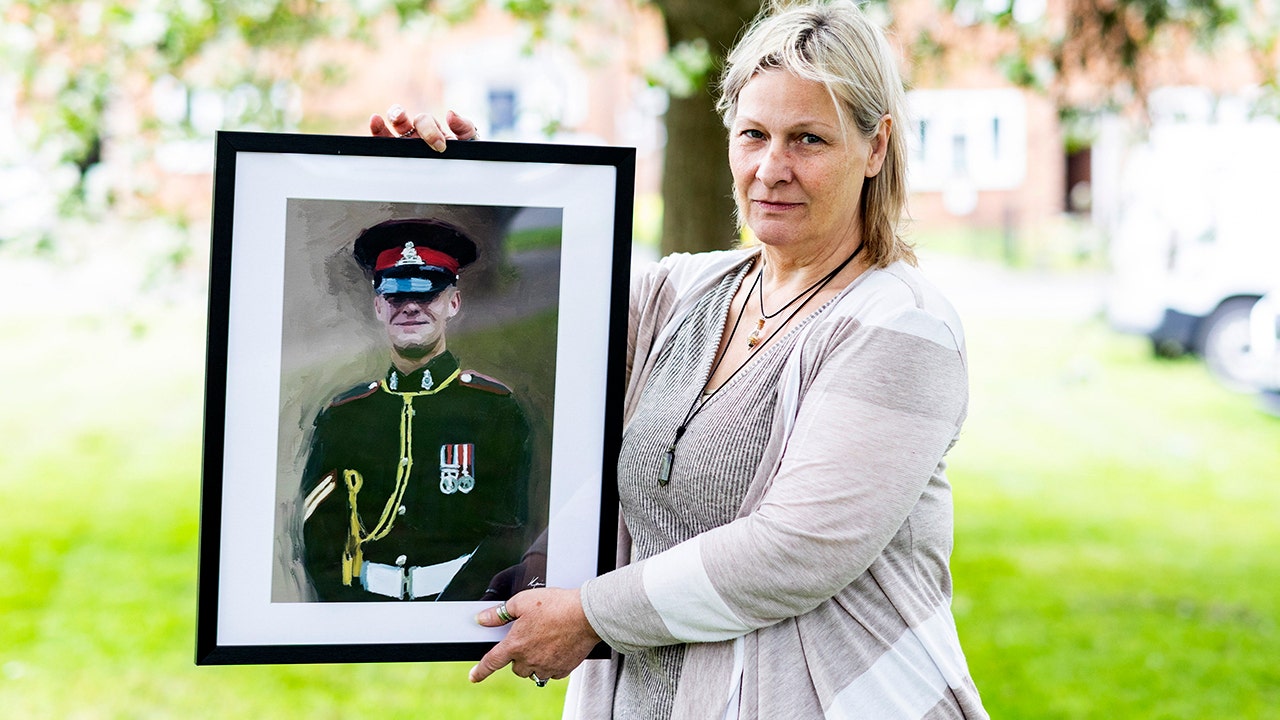
A mother in the U.K. who feared a heart attack after waking with intense chest pain was diagnosed with takotsubo syndrome, often called broken heart syndrome, following the tragic suicide of her veteran son. Her symptoms mimicked a classic cardiac emergency, but tests showed a stress-induced, temporary weakening of the heart. Doctors advised rest, counseling and lifestyle changes while she recovers.
The condition, takotsubo syndrome, shows up after extreme emotional or physical stress and is most common in women over 50. It can imitate a heart attack with sudden chest pain and shortness of breath, yet the underlying cause is a stress-driven change in how the heart muscle contracts. In many cases the change is reversible, but it can be frightening and requires medical evaluation.
Turner, 57, described how the episode began late at night with discomfort that quickly escalated into alarming symptoms. “I was [sitting] downstairs earlier that night and thought I had a bit of indigestion. I went to bed and just couldn’t get comfortable — I was breaking out in a sweat and had heart palpitations.
“Then, around midnight, I had pain down my arm and in my jaw. I was still putting it down to indigestion… My partner Paul asked me if I was all right, and I said, ‘I think I’m having a heart attack.'”
When breathlessness and odd heart sensations followed, an ambulance was called and paramedics moved quickly to check her heart. She recounted the responders attaching an ECG and noting irregular activity. “They came in and linked me up to an ECG. They said, ‘Your heart is all over the place — there’s an extra beat, and it’s all over the place,’” she said.
At the hospital she had blood tests to rule out a classic heart attack, and the enzymes that usually appear with cardiac muscle damage were not present. “They came back and said I didn’t have the enzymes produced from a heart attack in my blood. But they said there [was] something going on.” Further imaging and cardiology review led to the takotsubo diagnosis.
Turner recalls telling the cardiologist, “I told [the doctor] that my heart feels broken. I told her about [my son] Rob, and she said it’s exactly that. She said it’s a real thing, and that I’d been under so much stress. The body can only take so much, and the grief and the stress can be quite physical.”
Her son served a decade in the Royal Horse Artillery and completed tours in Afghanistan before returning to civilian life and struggling with worsening health and mental health issues. He was later diagnosed with PTSD and experienced other physical ailments that affected his ability to work and live comfortably. Those post-service challenges escalated into a tragic outcome when he took his own life in August of the prior year.
Turner described how the transition from military life to civilian routine was rocky for her son and how delays in accessing support made things worse. “When people lose loved ones, you’re obviously distraught, but you eventually find closure,” she said. “I found peace when I lost my sister in 2015. But with Rob, I can’t find closure because there’s no justice there.”
Medical teams treating takotsubo focus on stabilizing symptoms and preventing complications while the heart recovers its normal shape and function. Treatment often includes medications to manage heart rate and blood pressure, and in some cases blood-thinning drugs to reduce clot risk. Recovery timelines vary, but many patients regain normal function within weeks to a few months.
Turner was advised to rest, seek counseling and make changes to reduce ongoing stress while her heart recalibrated. “The cardiologist told me that thankfully, my heart itself is healthy and there was no damage, but that it will take around two weeks to a month for my heart to reboot itself.” She reported that taking things slowly and getting emotional support helped her feel steadier.
“Things have settled down, and I’m taking things easy — I’m pacing myself now, and I feel a lot better. Paul said, ‘Maybe the extra beat is for Rob. You are carrying on living for him.'” That mix of grief and tender resilience captured how she described both loss and the small comforts that help with healing. “That broke me and healed me a little bit all at once.”
Research links broken heart syndrome to interactions between the brain and heart under severe stress, which can temporarily weaken the left ventricle and alter its shape. While rare, awareness is important because the symptoms look like a heart attack and need prompt assessment. For anyone with sudden chest pain, immediate medical attention can make the difference between confusion and proper treatment.
