
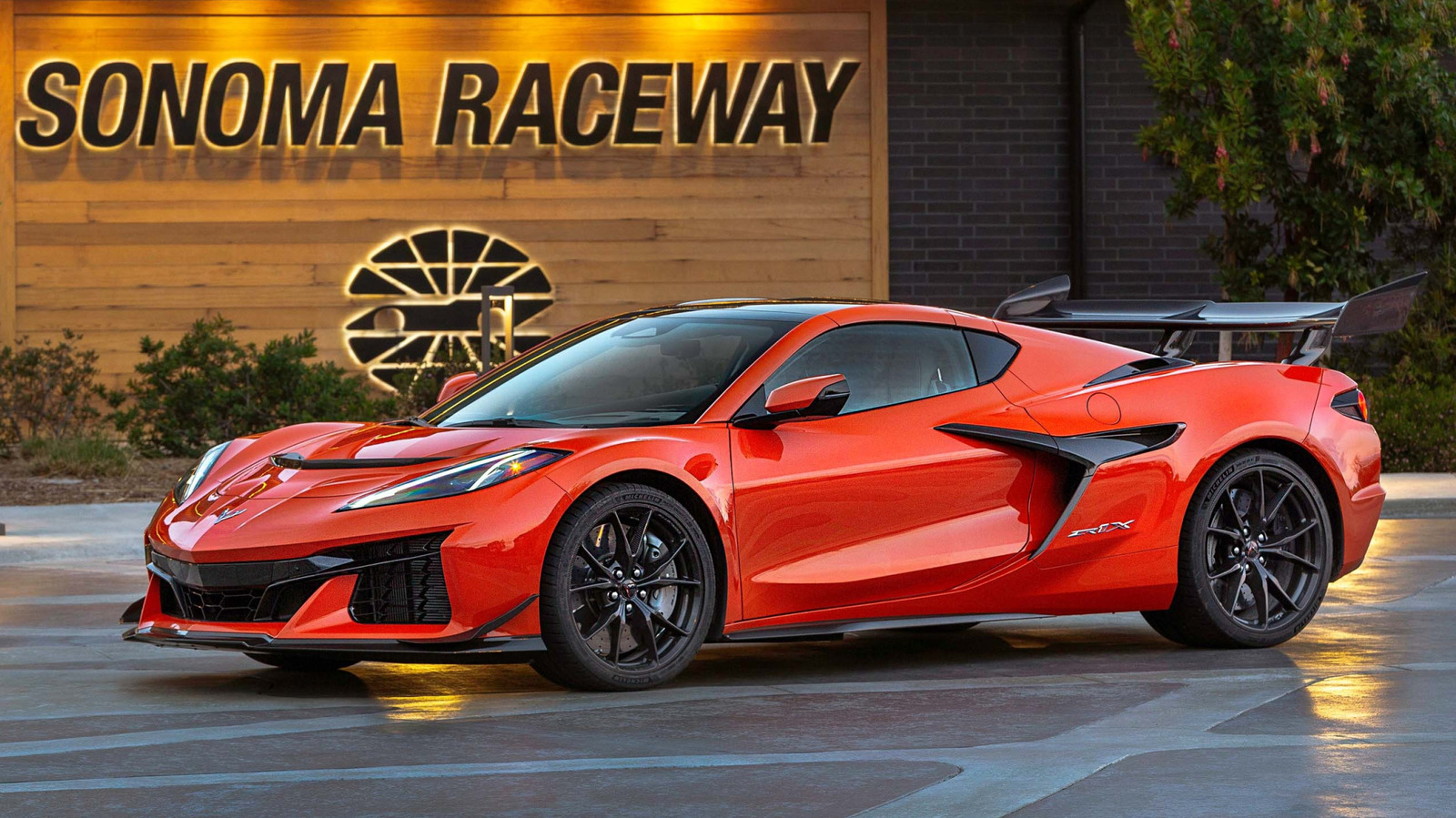
Jay Leno’s latest American creation mixes raw hypercar punch with modern hybrid smarts, promising Bugatti-level thrust at a “budget” price while aiming for serious Nurburgring pace and everyday usability.
What you see is a machine built to change expectations: aggressive lines, a low-slung stance, and an attitude that screams performance without pretending to be precious. The build signals purpose, blending classic American muscle proportions with aero cues that point to serious track potential. It’s meant to feel familiar to gearheads while delivering surprise-level speed when you drop the hammer.
Performance claims are bold and upfront, with the marketing leaning into the idea of Bugatti power to communicate brutal acceleration and high top-end capability. That phrasing implies supercar-grade output but the package wraps that might in a more accessible, perhaps lighter platform that favors immediacy over pure luxury. The emphasis is on straight-line shock value paired with enough chassis work to make it credible on fast circuits.
The hybrid element plays a major role in the story, promising instant electric assist for launch and torque fill through the midrange where big combustion engines can feel lazy. That combination smooths throttle response and masks turbo lag, giving a feel closer to an electric sprint with the soundtrack and range of a gasoline engine. Beyond performance, the hybrid setup aims to manage fuel use and widen the car’s usable envelope for long drives and daily outings.
Talk of Nurburgring performance shifts the conversation from mere acceleration to comprehensive handling and endurance. Targeting that iconic track suggests the engineers focused on thermal management, suspension tuning, and brake longevity under sustained stress. Hitting competitive lap times there requires balance and repeatability, not just a one-shot sprint, so the claim signals intent to be a serious driver’s machine.
Then there’s the price angle, wrapped in the amusingly self-aware term “budget” price, which raises eyebrows without hiding ambition. Here the goal is clear: offer hypercar thrills without the hypercar wallet hit, opening the door to customers who want extreme performance but also some financial common sense. That positioning forces trade-offs in materials, features, and brand gloss, but it could create a compelling value proposition if executed cleanly.
Jay Leno’s name attached to the project brings instant credibility in the collector world, because he is known for hands-on enthusiasm and deep knowledge rather than empty endorsements. His involvement signals that the car is intended to please true enthusiasts, not just headline-seekers. With that kind of stamp, buyers will expect mechanical honesty, serviceability, and a driving experience that rewards familiarity.
On the road, this car promises to be extroverted but usable, engineered to deliver scares and smiles in equal measure while surviving long miles without tantrums. Practical details like cockpit ergonomics, visibility, and daily-drive comfort will matter to those tempted by the headline numbers. If the makers balance raw speed with long-term usability, they’ll tap a hungry niche of owners who want track-capable performance that doesn’t demand a transport truck for weekends.
Competition in the affordable-supercar space is heating up, and this entry aims to stand out by fusing supercar DNA with pragmatic hybrid tech and an aggressive price story. That mix could force established players to sharpen their value cases and could nudge wealthy enthusiasts toward more playful buying choices. Whether it becomes a cult favorite or a footnote will hinge on real-world tests, production quality, and how well the car delivers on that audacious promise of Bugatti-caliber oomph for far less money.
