
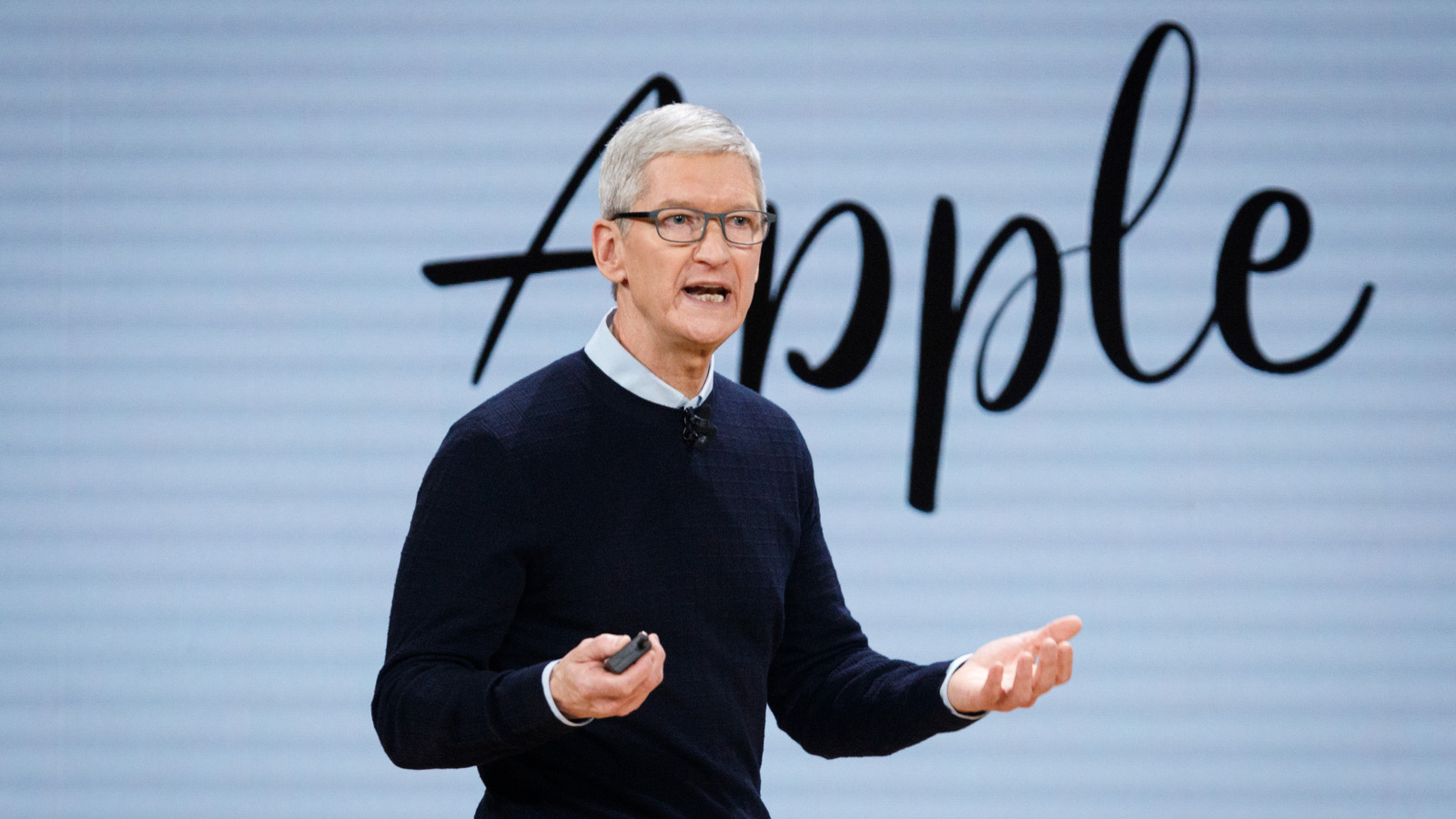
Tim Cook is stepping down as Apple’s CEO but will remain with the company in a different capacity, a move that shifts leadership while keeping institutional knowledge intact. The change signals a new chapter for Apple and raises questions about succession, strategy, and how the company will balance continuity with fresh direction. This article looks at what the transition means for Apple, investors, employees, and the tech landscape without getting bogged down in speculation.
Tim Cook’s decision to step down from his CEO role but stay with Apple is a calculated choice, not a sudden exit. Staying on suggests he wants to shepherd a smooth handoff and protect the company he has steered for years. That continuity matters to partners, suppliers, and customers who value stability at the top.
For employees, this kind of transition typically aims to minimize disruption. When a founder or long-term executive shifts roles instead of leaving entirely, it often provides breathing room for the incoming leader to settle in. It also lets Cook act as an adviser, helping maintain cultural and strategic threads during the changeover.
Investors will be watching the company’s reaction closely, especially in early trading and earnings calls. Markets hate uncertainty, but they also reward well-communicated plans. The specific structure of Cook’s new role will matter a lot for confidence; a clear line of authority and an articulated strategy for the near term will calm jittery shareholders.
The board’s choice of a successor will dominate conversation about Apple’s future direction. Selecting an internal candidate leans toward steady execution of the existing playbook, while an outsider could signal a desire to rewrite parts of the strategy. Either way, the incoming leader inherits a company with deep cash reserves and massive platform control, so expectations will be sky high.
Product roadmaps and hardware cycles are where leadership changes can become visible to consumers. Apple has long balanced iterative updates with occasional bold bets, and the new CEO will likely face pressure to sustain both. Maintaining momentum across iPhone, Mac, services, and emerging areas will be a central part of preserving Apple’s competitive edge.
Cook’s legacy at Apple is complex and sizable, blending operational excellence with an expansion into services that reshaped revenue mix. He moved Apple from a company dominated by flagship devices to one with a thriving services business, and that shift altered how investors value the brand. Critics and supporters will argue over the details, but the transformation is undeniable.
Keeping Cook within the company suggests Apple wants to preserve institutional memory while opening room for new leadership energy. That setup can help the company avoid abrupt strategy swings while still injecting fresh ideas. It also offers a safety valve: if the new leader struggles, Cook’s presence provides an experienced hand to steady the ship.
Externally, competitors and partners will reassess their strategies in light of the leadership change. Rivals may see opportunity, but Apple’s entrenched ecosystem is not easy to disrupt overnight. Suppliers and developers will be looking for reassurances about product timelines and platform priorities so they can plan investments and roadmaps accordingly.
Regulatory and geopolitical pressures will not pause for an executive reshuffle, and the new leadership will need to manage those headwinds. Issues like supply chain resilience, privacy standards, and international policy remain on the agenda. How Apple navigates those matters under new executive stewardship will be a key part of the story moving forward.
For customers, the transition should feel subtle, because Apple’s public-facing continuity is usually strong during these moments. The people who buy and use Apple products care about reliability and ecosystem value more than management titles. That is why a gradual, clearly communicated handover tends to serve the brand best.
The coming months will be about clarity and execution: clarifying roles, confirming strategic priorities, and executing the plans that reassure stakeholders. Tim Cook stepping down as CEO but staying with the company is a deliberate move to balance change with stability. Observers should expect careful messaging, measured shifts, and a focus on keeping Apple on its current trajectory while opening a new leadership chapter.
