
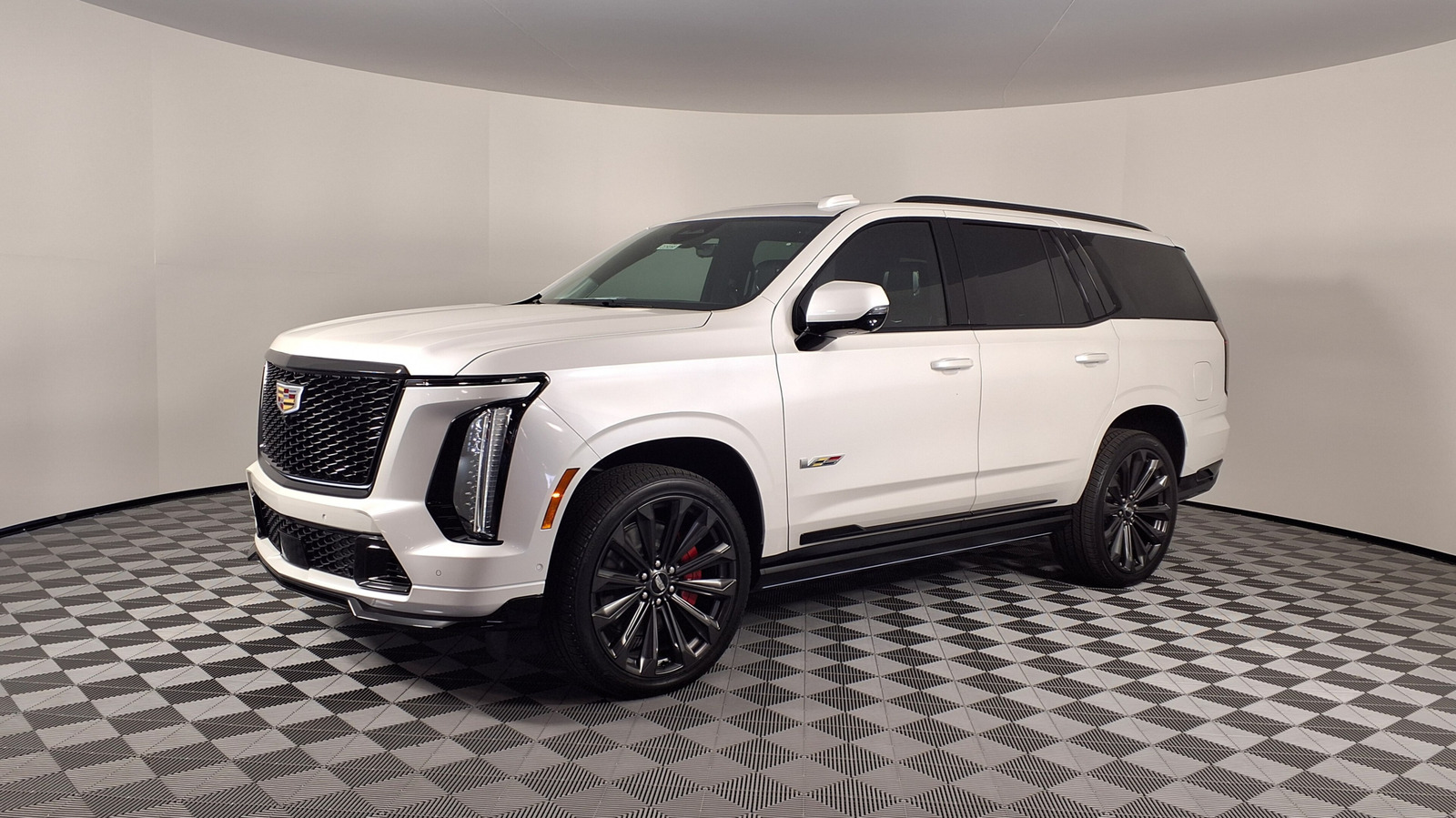
The high-end 2024 Cadillac Escalade-V sent to a Nevada dealer has gone missing in transit, triggering a scramble that mixes frustration, suspicion, and questions about how premium vehicles are moved and secured these days. This article walks through what happened, how the dealership and law enforcement responded, what could explain a disappearance like this, and what owners and dealers should consider to prevent a repeat.
The Escalade-V is not just any SUV; it is a flagship model with a hefty price tag and attention-grabbing presence. Losing one in the supply chain feels different than a routine inventory error, because these cars are tracked, insured, and supposed to be handled with extra care. The missing vehicle has left the dealership on edge and customers wondering how a high-profile machine could vanish.
The shipment was logged and loaded, but somewhere between origin and destination the trail went cold. Dealership staff reviewed manifests, carrier paperwork, and surveillance where available, trying to stitch together the last confirmed sightings. That initial paperwork check revealed gaps that raised immediate red flags about custody and tracking.
When a luxury vehicle disappears, the first calls go to the carrier and the police, and insurance is put on alert. Investigators run the VIN, contact transporters, and pull GPS and telematics data if the vehicle is equipped. If telematics were active, they can narrow down a last-known location, but those systems are not always enabled during shipping, which complicates matters.
There are a few realistic scenarios that explain disappearances like this: diversion by an opportunistic thief, misdelivery due to human error, or paperwork mix-ups that reassign the vehicle to another lot. Each scenario carries different signals; for example, theft might involve altered plates or a swapped trailer, while misdelivery often shows up as a conflicting delivery receipt. Dealerships and investigators look for those clues fast.
For dealers, the financial and reputational stakes are high. A lost Escalade-V means an expensive asset is missing and a potential sale evaporates, which can frustrate a buyer and strain relationships. Dealerships often double-check their transport partners, tighten door access, and review internal controls after incidents like this to reassure customers and protect future shipments.
Manufacturers and carriers are also paying attention, because the logistics chain for high-value vehicles depends on reputation and reliability. Some firms have started using more robust GPS collars, encrypted telematics, and stricter pickup protocols to avoid having a headline-grabbing model go off the radar. The investment can be costly, but the cost of a single missing flagship can justify the expense.
For buyers, this is a reminder that procuring a high-end vehicle isn’t just about the car; it is also about the people and systems that move it. Asking dealers about shipment insurance, tracking practices, and delivery timelines is now reasonable and prudent. Until the mystery around this Escalade-V is resolved, both dealers and buyers will be watching transport practices much more closely.
