
The Iran conflict looks like it’s cooling, and the administration may soon stand before the country and claim tactical success. That success matters: shipping lanes reopened, Iranian firepower degraded, and a deterrent message sent. But the fallout spreads well beyond the battlefield and demands a clear-eyed political response.
President Trump saw a strategic problem and acted where others stalled, confronting a regime that funded terror and threatened global commerce. That directness is the kind of leadership many Americans wanted and it delivered concrete results on the water and in the field. Still, results on the map are only part of the picture.
While American forces have been dismantling Iranian military infrastructure, rival powers moved faster in the diplomatic and economic lanes. Beijing and Moscow quietly tightened ties with Tehran, turning local gains into a broader strategic headache for Washington. This is not just about strikes or convoys any more.
In Beijing, Xi Jinping called ties especially “precious” and urged “closer and stronger strategic collaboration” aimed at a “more just and reasonable direction.” Those words are not fluff. They signal a coordinated effort to reshape institutions and influence, and we should treat them that way.
At the same meeting, Sergey Lavrov declared that Iran holds an “inalienable” right to enrich uranium, a blunt contradiction of calls for zero enrichment. Russia’s posture here is active, not neutral, and it undermines American objectives without firing a single missile on our soil. That kind of diplomatic protection matters more than many realize.
China’s role has been financial muscle and logistical cover, keeping Iran’s oil trade alive even during pressure campaigns. Reports of discounted purchases and tanker movements show Beijing choosing commerce and leverage over isolation. That’s economic statecraft that buys influence and shields Tehran when bombs start falling.
Trump confronted Beijing directly, and in his own words Xi’s reply was “essentially, he’s not doing that” when asked about weapons transfers. That exchange mattered; it put China on notice and put tariffs back on the table as leverage. Diplomacy backed by clear consequences is exactly the Republican playbook we should expect.
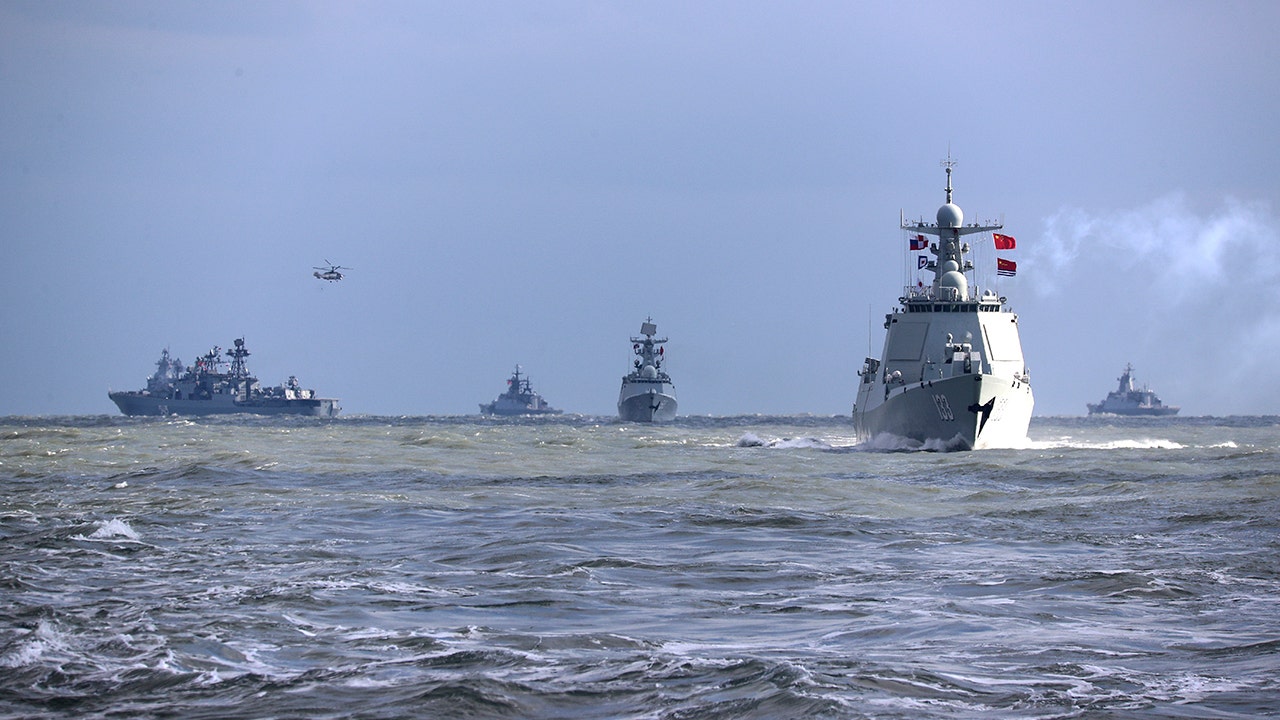
Under pressure, Tehran moved toward a formal strategic pact with China and Russia, part of what analysts call a broader CRINK alignment. This is not a mutual defense pact in the NATO sense, but it is a framework for deeper nuclear, economic, and military cooperation. Pressuring a regime that then finds stronger patrons is a predictable, dangerous outcome.
Requests to NATO allies to reopen the Strait of Hormuz were largely rebuffed, and that refusal cut to the heart of alliance politics. NATO “is a defensive Alliance … not threatening anyone,” and many European partners balked at direct engagement far from their borders. That hesitation exposed a gap between American willingness to act and allied appetite to follow.
Trust and credibility are the currencies of alliances, and those balances shifted during this crisis. Talk of withdrawing troops from Europe and labelling NATO a “paper tiger” are extreme but they reflect a broader frustration with free-riding and strategic drift. A fractured transatlantic partnership hands advantage to China and Russia whether we like it or not.
Winning battles without shoring up alliances and countering alignment among rivals is a hollow victory. The moment calls for the dealmaking instincts of the White House to rebuild confidence with NATO, align China pressure with credible consequences, and blunt the hardening of adversary coalitions. That’s the road to turning temporary battlefield advantage into lasting security gains.
We can celebrate tactical wins and still press the harder work: diplomatic repair, stronger deterrence, and a renewed commitment to alliances that deliver. The world is watching whether victory speechmaking becomes a closing curtain or the opening of a strategic reset. Xi Jinping is not congratulating us. He is calculating.
