
Athletes used to kneel and fans assumed they were protesting; now a quieter, more personal movement has taken hold in locker rooms and on fields, where kneeling often means prayer and faith. This piece looks at five prominent pros who put their Christian beliefs front and center and how that choice shapes their public lives. These players let conviction guide identity instead of headlines, and their stories show a cultural shift from performance-first to faith-first. Expect direct examples of how belief shows up in wins, losses, and everyday routines.
There’s been a clear change in how players express faith: less spectacle, more steady devotion that shows up moments before kickoff or at the end of a long stretch of games. Instead of political statements, many athletes now kneel to pray, to center themselves, or to give thanks. That move has reshaped conversations about what visible faith looks like in sports and how fans respond.
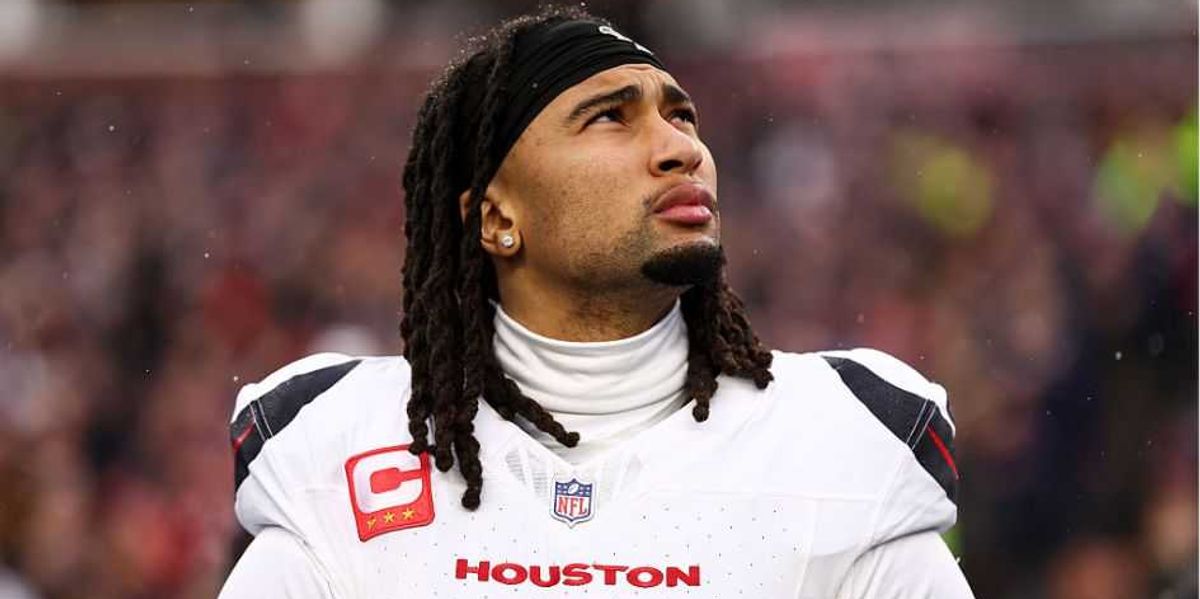
C.J. Stroud makes his priorities obvious every time he speaks about success and failure, treating career highs and lows through a spiritual lens. He has said plainly, “Before I do anything, I want to give God the glory — my Lord and savior, Jesus Christ. Without Him, I’m nothing. I just appreciate Him giving me this opportunity, this platform to play this great game with this great organization.” His public posture is consistent: football is a platform, not the foundation of identity, and that steadiness guides how he handles pressure.
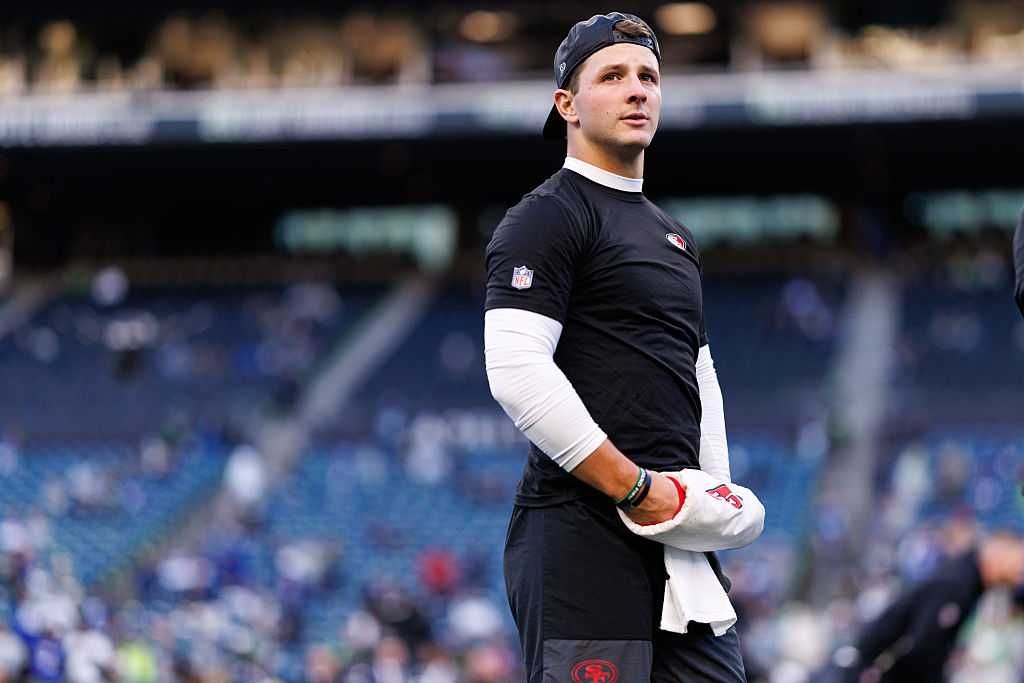
Brock Purdy arrived in the league with low expectations and quiet confidence, and he credits faith for keeping him grounded amid sudden success and intense scrutiny. He rejects the idea that results define him, which helps explain his calm on the biggest stages. “No matter what I’m going to face moving forward … football, God, and Jesus are going to be my identity.” That outlook gives him resilience when the spotlight shifts from praise to criticism.
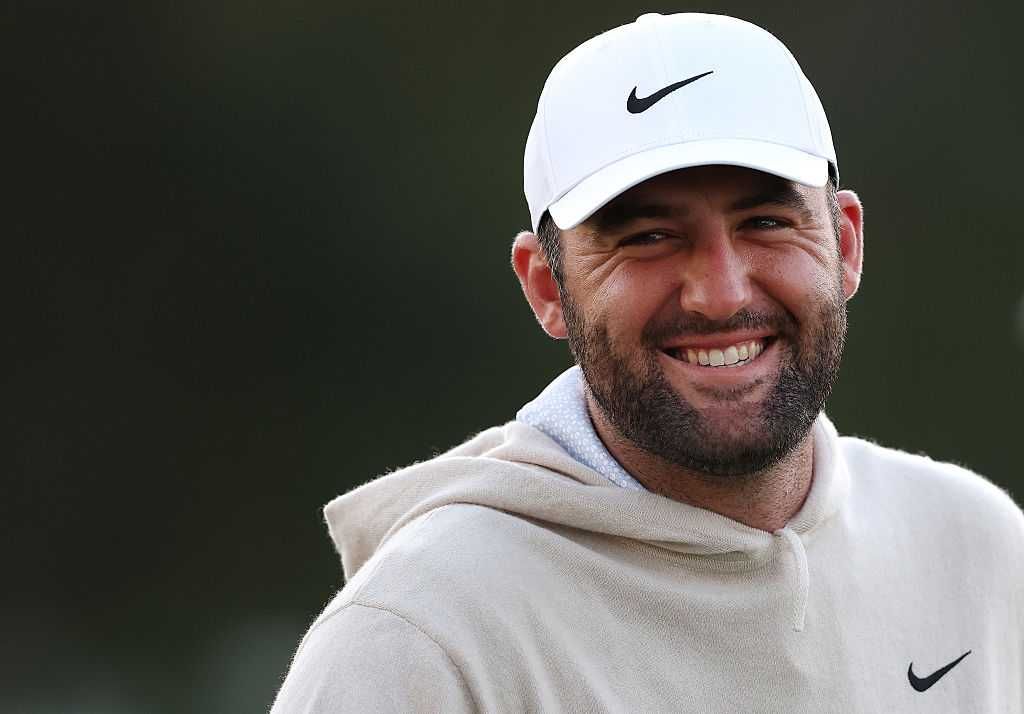
Scottie Scheffler, a dominant figure in golf, approaches victory without the frantic need for validation, and his language about eternity frames triumphs as temporary. He has spoken about a deeper security that undercuts the usual athlete anxiety about legacy and wins. ‘My victory was secure on the cross … and it doesn’t matter if I win this tournament or lose this tournament.’ That line captures how his faith changes the stakes of competition and keeps the focus on lasting commitments beyond trophies.
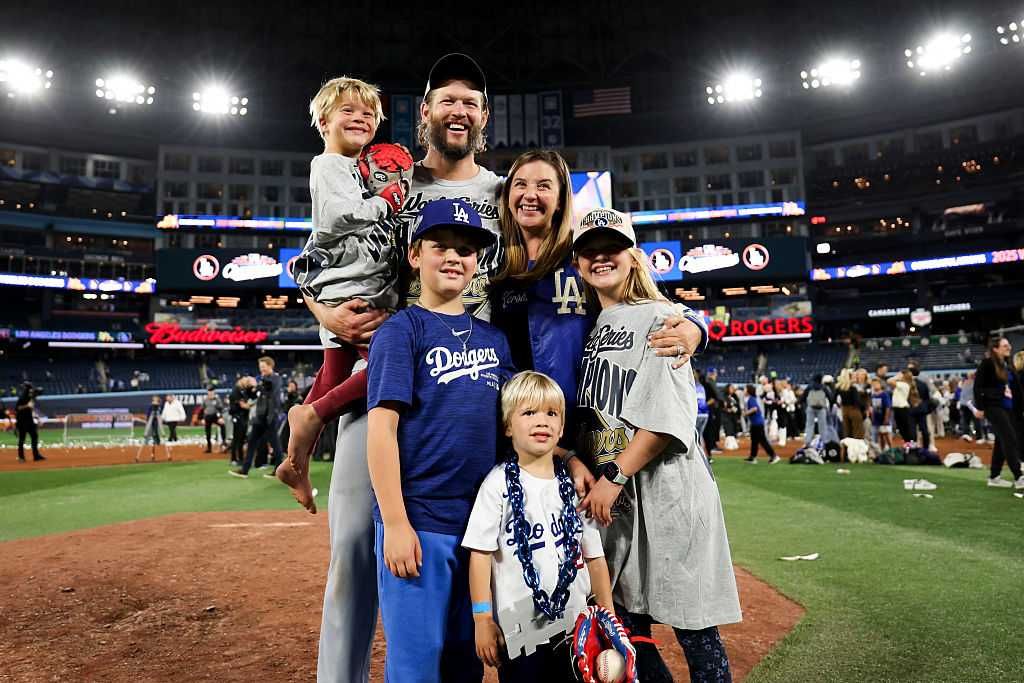
Clayton Kershaw built a Hall of Fame résumé while quietly centering his life on service and Scripture rather than headlines and endorsements. Over an 18-year career he let performance speak while he invested in community work and a faith-driven charity, showing how influence can be used beyond the scoreboard. When team events clashed with his convictions, he found symbolic ways to express belief, including writing “Genesis 9:12-16” on his hat to highlight the biblical meaning of the rainbow.
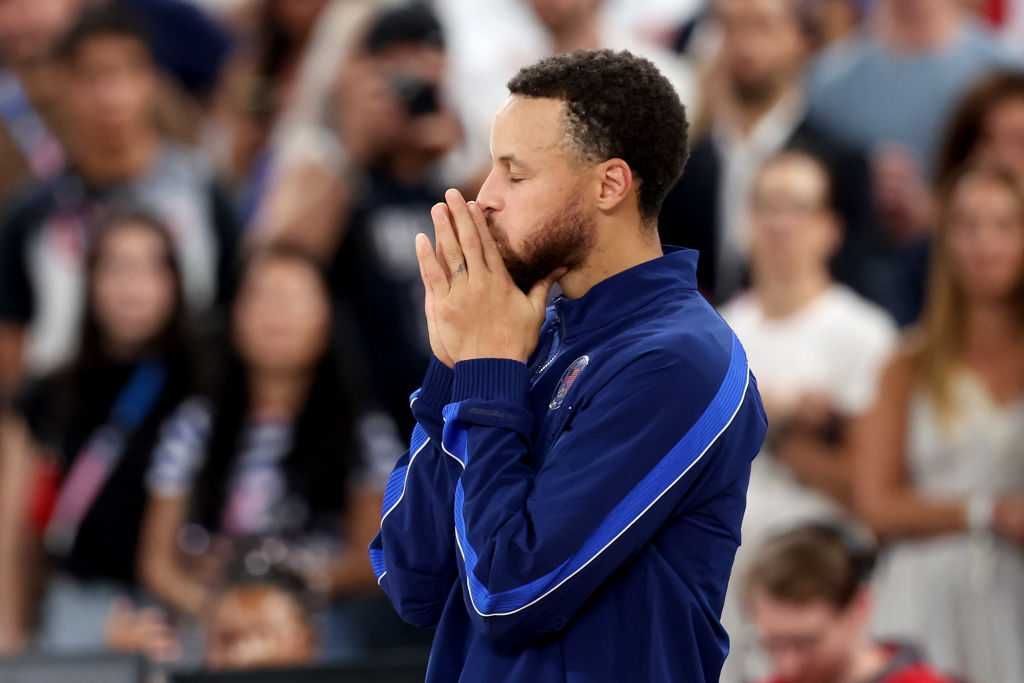
Stephen Curry has long combined elite athleticism with a devotion that he frames as central, not ornamental, to his life and leadership. He uses his platform deliberately, speaking about how faith shapes team dynamics and personal purpose rather than simply talking about stats. The Holy Spirit is moving through our locker room in a way I’ve never experienced before. It’s allowing us to reach a lot of people, and personally I am just trying to use this stage to share how God has been a blessing to my life and how He can be the same in everyone else’s.
Curry’s commitment to family and faith remains visible in how he raises his children and how he talks about success, reinforcing that for many top athletes belief is a lifelong practice, not a headline. Taken together, these five players illustrate a broader pattern: visible faith in pro sports has shifted from performance theater to personal conviction, with kneeling more often a posture of prayer than protest. That difference matters to teammates, fans, and the culture around the games we watch.
