
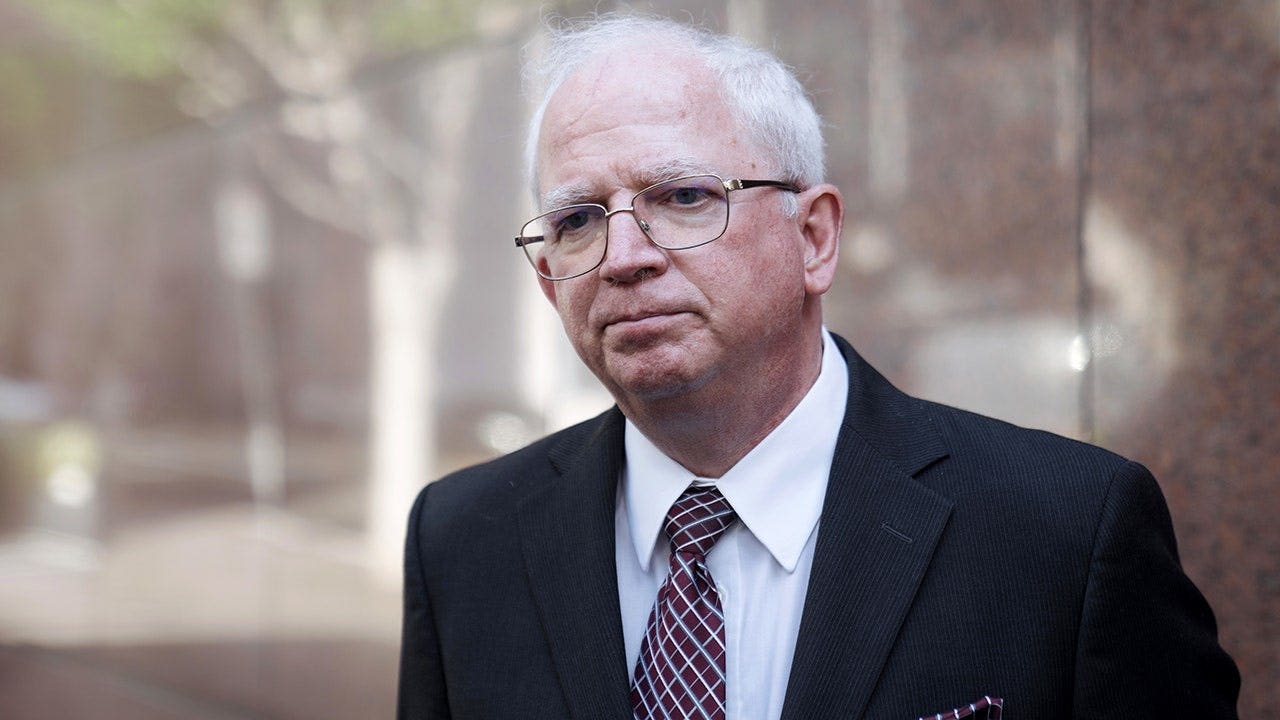
California’s highest court just disbarred John Eastman over his legal work after the 2020 election, and this piece lays out why that decision is dangerous for the rule of law, explains the constitutional basis Eastman relied on, and examines the wider consequences for lawyers who represent politically unpopular clients. It looks at the election irregularities that drove calls for audits, describes the historical role of alternate electors, and flags the looming case of another Trump-era lawyer whose fate could follow a similar path. The tone here is direct: disbarring a constitutional scholar for zealous advocacy sets a chilling precedent.
The disbarment of John Eastman by the California Supreme Court feels less like sober legal judgment and more like politics dressed up as discipline. He represented a president during a contested election and pursued legal theories grounded in the Electoral Count Act and the Constitution. Disbarment is an extreme outcome when the dispute centers on contested legal interpretation rather than clear criminal conduct.
The 2020 election was unusually close in several key states, and the pandemic changed how elections were run in ways that deserve scrutiny. Widespread mail voting, loosened signature checks, and public drop boxes introduced unfamiliar processes that left reasonable people uneasy. Those factual changes explain why some pushed for audits and why attorneys sought legal clarity about certification procedures.
Eastman’s argument rested on the Electoral Count Act, an old and arcane statute that governs how Congress counts electors. He advanced a plan that would have paused or revisited certifications in disputed states so questions could be resolved under lawful, constitutional procedures. That approach is not novel or lawless; it draws on the text of statutes and historical practice rather than on threats or fraud.
The presence of alternate electors in several states was painted by critics as fraudulent, but alternate slates have historical precedent and were intended as contingency measures. The 1876 Hayes-Tilden dispute and the 1960 Hawaii controversy both saw competing claims and processes that tested the system. Those modern-day alternates were not impersonators; they were assembled to be ready in case lawful mechanisms required their involvement.
Eastman spoke at the January 6 rally and maintained that the plan pursued was lawful and constitutional, not criminal. Nothing in his public advocacy amounted to calls for bribery, violence, or the destruction of lawful ballots. Speech aimed at changing results through legal channels is protected by the First Amendment and should not be equated with criminal conduct simply because it challenged the outcome.
Meanwhile, the criminal case in Georgia that targeted him did not survive basic scrutiny and collapsed after the prosecutor faced disqualification. Yet the professional sanction from California remains and sends a harsh message: representing a controversial client and pushing a contested legal theory can end a lawyer’s career. That is a troubling development for any democracy that relies on attorneys to test the bounds of law without fear of punitive retaliation.
There is another case on the horizon involving Jeff Clark, a former Justice Department official, which raises the same fundamental question about political discipline of lawyers. Advocates have filed briefs in his defense arguing that career-ending sanctions are unwarranted when the conduct consists of aggressive, imperfect legal advocacy. How the courts handle these matters will determine whether zealous representation remains a protected, even essential, part of our legal system.
If courts can disbar lawyers for taking unpopular positions in high-stakes political fights, the profession will change for the worse and clients will struggle to find counsel willing to press novel or controversial arguments. That chilling effect will be felt far beyond one case or one election, undermining the adversarial process that exposes and resolves legal disputes. The rule of law depends on lawyers being able to advocate without fearing that a losing argument equals professional annihilation.
