
By OBBM Network Editorial Staff
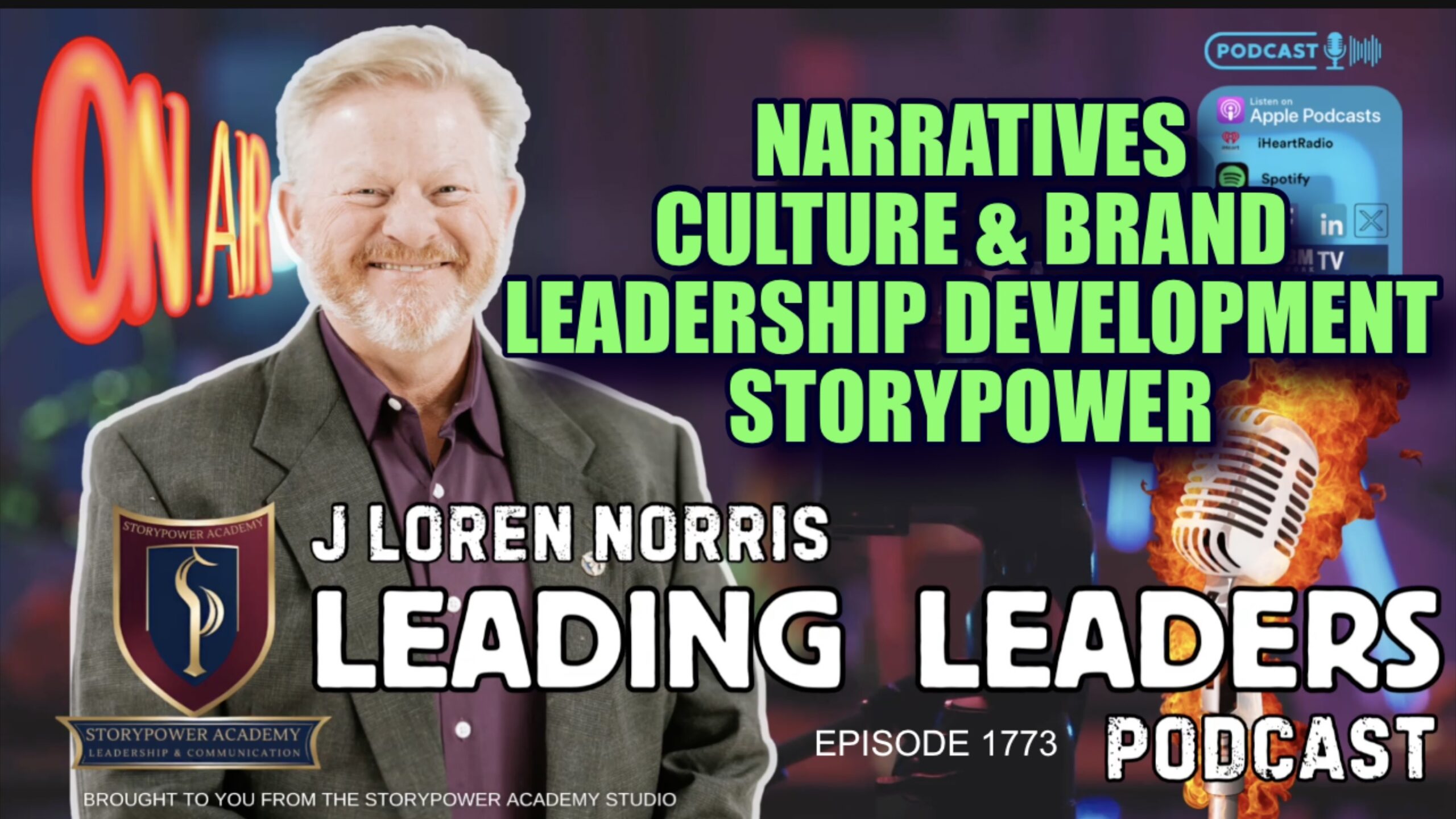
Derived from an episode of Leading Leaders TV.
In a recent episode of Leading Leaders TV, J. Loren Norris explored the intricate dynamics of storytelling within leadership and its profound impact on company culture and brand perception. The episode underscored the necessity for leaders to manage narratives effectively to prevent potential public relations disasters and maintain team cohesion.
The Power of Narrative in Leadership
The episode began by addressing the challenges leaders face when different stories emerge from the same incident. When a customer and an employee have conflicting accounts of an event, the resulting narrative can significantly affect a company’s reputation. “What happens when that story gets out in the press or in social media or on a Yelp review or on Reddit? It can destroy your company,” Norris remarked, emphasizing the potential for narratives to escalate beyond control.
Leaders are tasked with the responsibility of managing these narratives, a process described as “leading the narrative.” This involves not only addressing the facts but also shaping the story in a way that is constructive rather than destructive. The episode highlighted that this skill is crucial for maintaining a positive brand image and ensuring that internal team dynamics remain strong.
Human Error and Its Impact on Stories
The discussion further delved into the inevitability of human error in business operations. Mistakes are bound to happen, whether due to poor decision-making, timing issues, or simple oversight. These errors often lead to stories that can either damage or enhance a company’s reputation depending on how they are managed.
“The question isn’t, will something go wrong? It will. The real question is, what are you going to do when it does?” Norris posed, highlighting the importance of proactive leadership in addressing these challenges. By effectively managing the narrative, leaders can mitigate the negative impact of such errors and turn them into opportunities for growth and improvement.
Cultural Sensitivity and Brand Image
The episode also touched on the importance of cultural sensitivity in leadership. Anecdotes shared during the discussion illustrated how offhand comments or inappropriate jokes can quickly spiral into significant issues if not addressed promptly. Norris recounted an incident in an elevator where an inappropriate comment could have led to severe reputational damage if publicized.
This highlights the need for leaders to be vigilant about the narratives that emerge from their teams and to address any potentially harmful stories before they escalate. By fostering a culture of respect and sensitivity, leaders can ensure that their brand image remains untarnished and that their team operates in a cohesive and supportive environment.
Proactive Story Management
Effective storytelling in leadership is not just about managing crises; it’s also about proactively shaping the narrative to align with the company’s values and goals. The episode introduced the concept of “narrative first aid,” which involves revisiting and reauthoring stories to reflect a more positive and accurate representation of events.
By engaging in proactive story management, leaders can ensure that their teams are aligned with the company’s mission and that their brand image is consistently positive. This approach not only helps in crisis management but also in building a strong and resilient organizational culture.
Conclusion: The Broader Significance
The episode of Leading Leaders TV offered valuable insights into the role of storytelling in leadership. By understanding and managing narratives effectively, leaders can navigate the complexities of human error, cultural sensitivity, and brand management. This approach not only prevents potential PR disasters but also fosters a positive and cohesive team environment.
The full episode of Leading Leaders TV is available on OBBM Network TV.
Watch Leading Leaders TV on OBBM Network TV: https://www.obbmnetwork.tv/series/leading-leaders-tv-207508
