
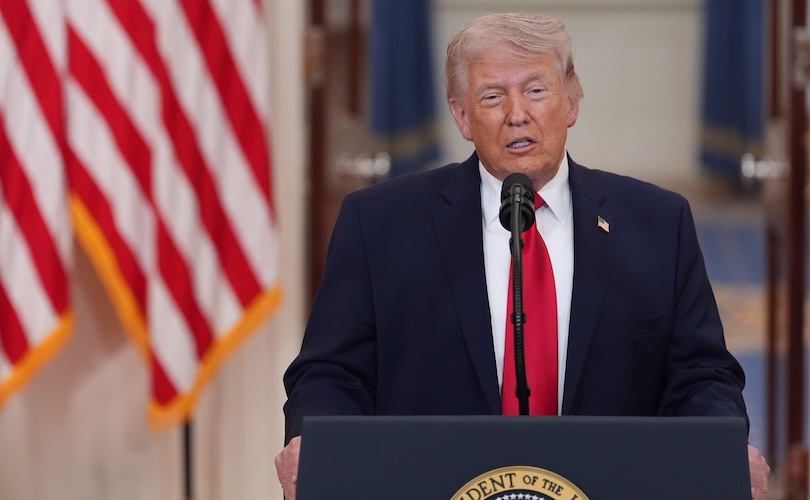
Phil Lawler says left-leaning cardinals have crossed a line by launching ‘political attacks’ on Donald Trump, and commentator Chris Jackson warns the spat with Cardinal Leo “is being leveraged to demoralize the right ahead of midterms.” This piece looks at the political angle, why conservative voters should care, and how Republicans can respond without surrendering principle or faith. The aim is blunt and practical: identify the stakes and point toward clear-minded action that protects religious liberty and election integrity.
Lawler’s critique lands where many conservatives already feel wary: faith leaders stepping into partisan fights risks eroding trust in both the church and the civic process. When bishops or cardinals use their pulpit to back a political narrative, it muddies moral authority and hands ammunition to the left. Conservatives see this as a pattern, not an isolated comment, and they’re rightly suspicious when religious influence appears one-sided.
Jackson’s line that the dispute ‘is being leveraged to demoralize the right ahead of midterms.’ cuts to the political calculus. That’s not just commentary, it’s an accusation about tactics: turn a cultural argument into a morale game and you shift voters’ focus away from kitchen-table issues like jobs, borders, and education. If the goal is to sap conservative energy and lower turnout, then responding with clarity and resolve is the only sensible move.
The practical fallout matters because Catholic and religious voters are a key constituency in swing districts and states. When religious leaders publicly align with progressive agendas, some voters will drift, others will dig in, and many will be confused about who represents their values. Republicans can’t assume loyalty; they need to demonstrate how their policies protect families, defend conscience rights, and preserve the institutions that sustain communities.
Politically, Republicans should push back without attacking faith itself. Pointing out when clerical statements cross into partisan organizing is legitimate and necessary, but the message must stay focused on policy and principle. Highlight concrete threats to religious freedom, make the case for limited government, and remind voters that faith belongs to congregations, not political machines.
On the ground, conservative leaders ought to mobilize around turnout and messaging that re-centers voters on issues that affect daily life. Encourage parishioners to engage responsibly, to demand clarity from their leaders, and to resist being used as props in someone else’s campaign strategy. The midterms will be decided by who shows up and who stays focused on the real problems facing American families, not by manufactured controversies that seek to fracture allegiances.
