
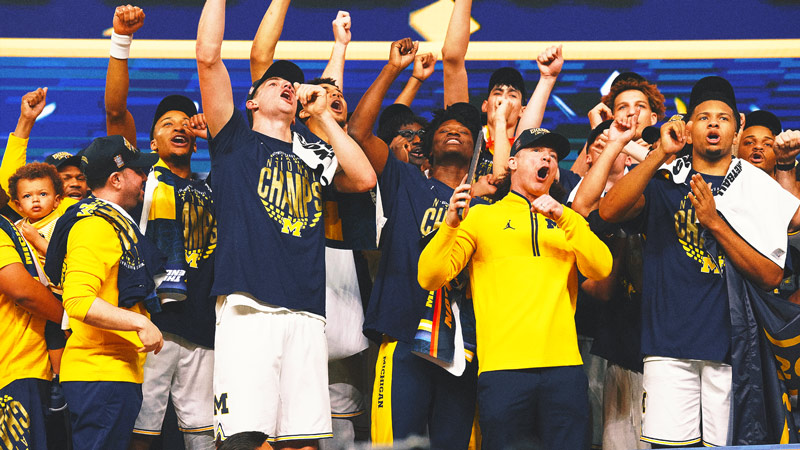
The Big Ten collected nearly $70 million in NCAA distributions tied to team performances in the 2026 tournament, a haul that will influence budgets, travel, facilities, and staffing decisions across the conference. This payout reflects the conference’s collective success on the hardwood and will be parceled out to member schools and conference operations under established distribution rules. The money matters not just as a headline number but as fuel for programs trying to remain competitive on and off the court.
Those distribution dollars come from units the NCAA awards for wins and appearances in the tournament, and the total payout is based on the number of units the conference accumulated. Units translate to dollars under the NCAA’s formula, and they have real budget consequences because they are factored into how the NCAA shares revenue with conferences. For the Big Ten, the near-$70 million figure signals solid tournament performance relative to other leagues.
Once the NCAA sends the check, conferences decide how to divide it, and the Big Ten’s model blends equal shares with targeted funds for championships, academic support, and special projects. Most of the revenue ends up in member school coffers, where it covers scholarships, travel costs, and the day-to-day running of athletic departments. The conference office also keeps a slice to run league-wide programs, marketing, and postseason operations that help maintain competitive infrastructure.
At the program level, these funds tend to show up in practical ways: upgraded training rooms, improved travel accommodations, and competitive recruiting budgets to attract prospects. Coaches’ salaries and retention packages often track with conference revenue because schools want continuity and success. Mid-tier programs can use their share to narrow gaps with traditional powerhouses, while flagship schools may apply funds to big-dollar capital projects.
Beyond facilities and pay, the payout affects strategic choices. Teams decide whether to invest in analytics, expand staff, or schedule tougher nonconference opponents to boost their postseason resumes. Athletic directors weigh immediate needs against longer-term investments, balancing scholarships and compliance against branding and fan engagement. Money from NCAA distributions becomes a lever for shaping the next recruiting cycle and competitive calendar.
There’s also a ripple effect on conference positioning and media leverage. Strong tournament showings that generate large distributions can strengthen a conference’s negotiating stance when media rights and sponsorship deals come up for renewal. That bargaining power filters back to campuses through shared revenue, creating a feedback loop: good performance drives money, and money can help sustain future performance. For conferences competing in an arms race for exposure, every dollar counts.
But this system isn’t without criticisms. Payouts tied to tournament success introduce volatility; a single poor season can reduce future distributions and strain budgets. Smaller programs argue that the current model still magnifies disparities because schools in richer conferences or with larger fan bases can absorb shortfalls better. There are ongoing conversations about whether the distribution framework needs tweaks to promote steadier support for all member institutions.
For now, the Big Ten’s nearly $70 million windfall for 2026 will be absorbed into existing financial plans and spur new decisions across the league. Athletic departments will map out how much goes to immediate operational needs versus investments aimed at long-term competitiveness. The dollars won’t solve every problem, but they will shape how programs approach the 2026-27 season and beyond.
