
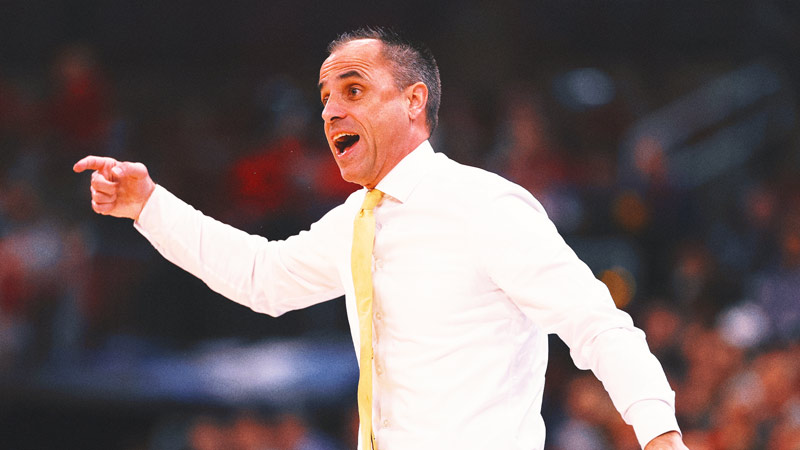
The 2026 NCAA Men’s Tournament has spotlighted a rule tweak that is reshaping how coaches think and how games are officiated, with teams and fans adapting in real time to new strategy and drama. This piece walks through the rule’s impact on late-game decisions, how it changes coaching behavior, the ripple effects for players and officials, and what the immediate tournament examples reveal. Expect concrete scenes from recent games, clear-eyed observations about the balance between technology and human judgment, and a look at what might stick beyond this season. The focus is squarely on the rule, its effects during the tournament, and why it matters going forward.
A new coach’s challenge rule has changed college basketball and been on full display during the 2026 NCAA Men’s Tournament. Coaches who once saved challenges for desperation now treat them like tactical tools to influence momentum and clock management. The visible shift is not just in how often flags go up, but in the timing and intent behind them, as teams seek every edge in single-elimination play.
At the heart of the change is a clearer path for correcting critical calls without grinding the game to a halt. That clarity gives coaches confidence to contest plays that swing the scoreboard, such as out-of-bounds rulings or buzzer-beating shots. Players respond instinctively, sometimes altering how they finish possessions because they know the official review process might undo or confirm the original call.
Officials have had to adapt as well, moving from gut calls to a partnership with replay officials who quickly parse footage and enforce the rulebook. The tournament has shown that when replay systems are staffed and rehearsed, reviews can be swift and decisive rather than disruptive. Still, the human element remains crucial, and the balance between a definitive replay angle and reasonable game flow continues to be debated.
For coaches, the challenge rule is now a chess move, not a desperation throw. Timeouts and substitutions are being choreographed around potential reviews, and some teams have developed set plays that intentionally create reviewable situations. That level of strategic thinking alters practice priorities and game plans, with young players learning to play within a system that accounts for replay possibilities.
Fans are divided, with some celebrating fewer blatant mistakes and others lamenting an uptick in stoppages during crunchy moments. Television coverage has leaned into the drama, cutting to slow-motion replays and sideline reactions as coaches lodge their challenges. The result is a tournament experience where technology amplifies storytelling, but also invites scrutiny about which calls should be reviewable at all.
Beyond game night theatrics, the rule’s adoption has implications for recruiting and roster construction. Coaches might prioritize versatile players who can execute under the added pressure of a review-laden environment, or defenders who avoid borderline fouls that invite challenges. Over time, those micro-decisions can reshape team identities and how coaches sell their programs to prospects.
Looking ahead, the tournament has served as a real-time laboratory for the rule, revealing both strengths and pain points that will likely guide tweaks at season’s end. Stakeholders across the sport are watching to see whether this adaptation improves fairness without diluting the spontaneous energy fans love. If the rule survives refinement, it could become a defining change that modernizes college basketball while preserving the rhythm and competitiveness that make the NCAA tournament must-see TV.
