
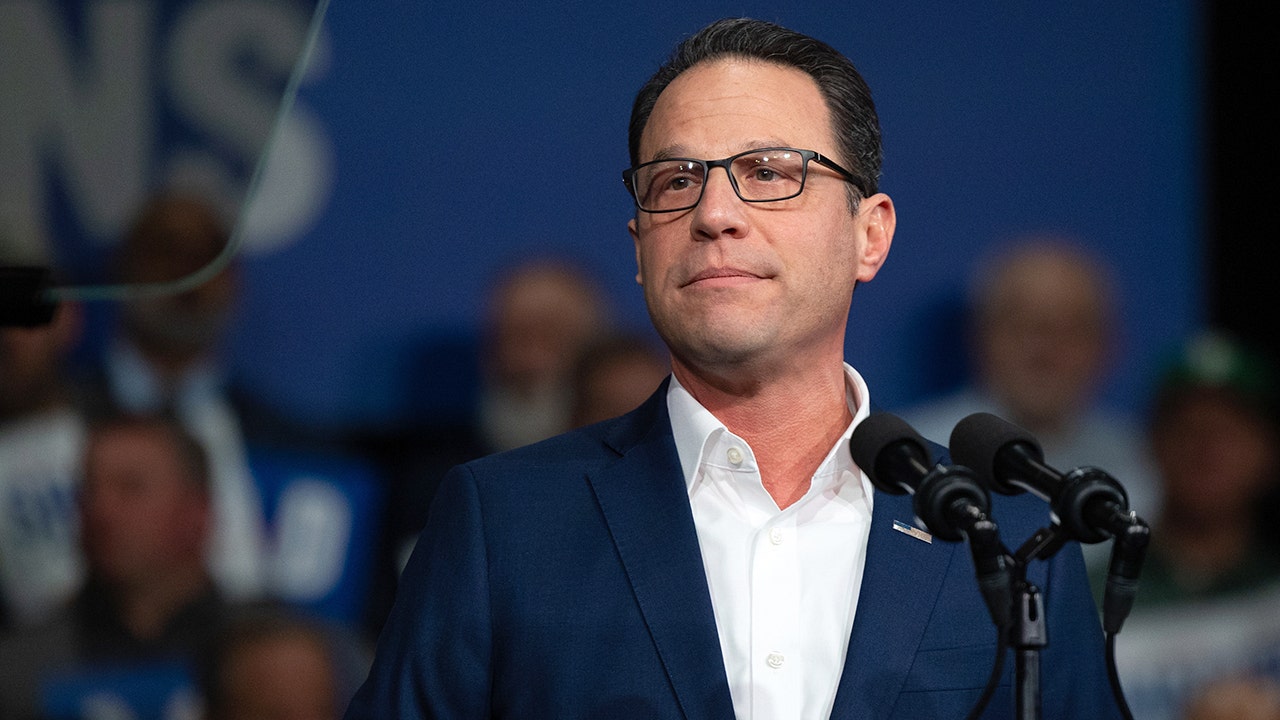
Poet Robert Frost once said that “good fences make good neighbors.” Here, a fence has become the headline and the problem, not the solution. Neighbors Jeremy and Simone Mock say their property was effectively taken when an eight-foot security fence went up and state troopers blocked their access. That claim turns a routine property dispute into something that feels like an abuse of authority.
The core legal theory on the table is adverse possession, an old doctrine that can let someone acquire title after long, open use of land. Pennsylvania requires possession that is actual, continuous, exclusive, visible, notorious, distinct and hostile for 21 years. On paper that sounds tidy, but in practice it raises obvious fairness questions when the owner contests possession and pays taxes on the land.
The Mocks say they repeatedly refused offers to sell and attempted to access the parcel, yet were kept off it by state personnel after the Shapiros planted arborvitae and erected the fence. They accuse the governor of becoming, in effect, a squatter with state muscle behind him. They go so far as to allege in court that “what followed was an outrageous abuse of power by the sitting Governor of Pennsylvania and its former Attorney General.”
Shapiro’s side points to routine maintenance work, mowing and clearing debris over many years, and argues those acts satisfy the elements of adverse possession. They claim the 21-year period was met and that the Mocks did not challenge the boundary until recently. The stickiness is the overlap between ordinary yard care and actions that look like a deliberate grab when backed by troopers and a locked gate.
The picture of state troopers standing on the disputed ground is what changes this from a neighbor fight to a political scandal. Citizens expect fair enforcement of the law, not the appearance that government resources are being used to settle private disputes. For a governor who opposed a federal border wall on principle, the optics of building a private barrier and relying on police for enforcement will land harshly with voters.
Courtrooms are supposed to sort the facts, but politics will do damage regardless of the legal outcome. This dispute has already been weaponized by opponents and will be a ready clip for any campaign ad. Voters can judge whether a public official should leverage the machinery of state to take private property when offers were declined and the neighbors say they were barred from their own yard.
There are technical defenses and counterclaims on both sides, and the law of adverse possession has historical roots meant to encourage productive use of land. Yet the modern expectation is different: owners pay taxes, visit their property, and object to encroachments. When a high-profile elected official is involved, the question isn’t only legal title but political license to act.
The bigger risk for Shapiro is reputational. Even a legal win might read like a loss to many viewers who see a governor using power to get a neighbor’s yard. That kind of perception can complicate future campaigns and cast long shadows over claims of principled leadership. For now, the fence stands and the fight proceeds in court, with consequences that reach well beyond suburbia.
