
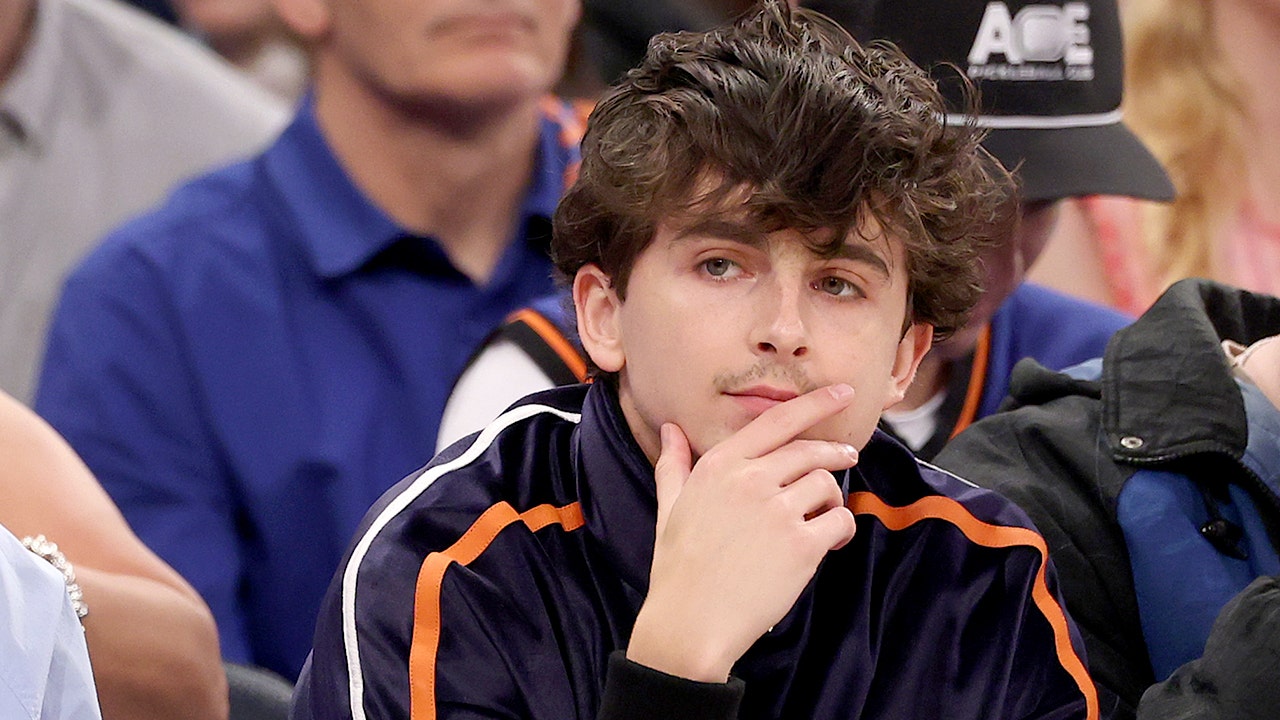
Timothée Chalamet stirred a debate by saying the obvious about ballet and opera: that they no longer land with mainstream audiences, and that defending them when nobody shows up feels hollow. The reaction from singers, dancers and cultural gatekeepers was immediate and fierce, which only sharpened the larger fight about taste, funding and who gets to call the shots in the arts. This piece walks through the clash, the history behind the complaint, and why this matters for culture beyond the theater district.
Timothée Chalamet landed in hot water after a CNN town hall when he said this exact line: “I don’t want to be working in ballet, or opera, or things where it’s like, ‘Hey, keep this thing alive, even though like no one cares about this anymore.’ All respect to all the ballet and opera people out there.” The remark was plainspoken, and for many it felt like a truth too long left unsaid. For others it was an insult aimed at deeply held traditions and livelihoods.
The backlash was loud and swift. Canadian mezzo-soprano Deepa Johnny called it a “disappointing take” and American artist Franz Szony wrote, “Two classical art forms that have been around for hundreds of years, both of which take a massive amount of talent and discipline this man will never possess.” Those reactions are predictable whenever someone questions elite favorites, but the bigger question is why the argument lands at all.
There was a time when ballet and opera were household names and stars were cultural icons. When I was a kid the names Mikhail Baryshnikov and Luciano Pavarotti carried the same weight as sports heroes or pop stars. You could turn on television and see a Shakespeare play or a conductor explain a symphony; high culture felt like shared currency rather than a closed club.
That shared cultural footing faded when institutions stopped courting broad audiences and started chasing funding and ideological validation. The fine performing arts evolved into a protected sector where grant money and institutional approval matter more than ticket sales. When the priority shifts from audience engagement to niche programming or identity-driven programming, the crowd thins and the art form shrinks.
Part of the problem is a top-down approach that treats culture as a boutique for elites instead of a public square. Grants and wealthy patrons can prop up productions that a wider public never asked for, which creates the appearance of vibrancy without broad participation. Producing the occasional novelty does not equal rebuilding a repertoire people actually want to watch night after night.
Those trends explain why the opera house and ballet company might feel remote to most Americans today. Critics will call that crass or reductive, but audiences are the ultimate test: if people do not buy tickets, the art becomes a fossil on life support. Some fear that decades of elite capture and ideological posturing have left these institutions with little hope of regaining popular traction.
Chalamet’s comment may be clumsy, and he may walk it back, but he tapped into a real tension about cultural relevance and accountability. Hollywood and film have their own fights with politics and marketing, but cinema still knows how to reach millions in a way ballet and opera largely have not for generations. If artists want public affection, they need to earn it by offering work that connects rather than alienates.
The tune here is simple and blunt: if you lock culture behind closed doors and pay attention to the applause of a tiny room, you will eventually lose the crowd on the other side of the house. The makers and shakers of opera, ballet, theater, painting and sculpture should be warned that while you fritter away your legacy of centuries, we might just be starting our own.
