The Department of Health and Human Services, led by Secretary Robert F. Kennedy Jr., has rolled out a Make America Healthy Again push that centers on real food, family meals, and teaching Americans how to cook. The drive follows earlier moves to upend old dietary guidance, spotlight the dangers of ultra-processed foods, and expand nutrition research. Officials say this is about lowering chronic disease rates, saving families money, and restoring shared mealtime as a civic and cultural good.
The department has already moved on several fronts to shake up a broken food system, replacing decades of bad guidance, phasing out petroleum-based food dyes, and elevating the conversation around ultra-processed products. Those steps were paired with a bigger investment in nutrition and metabolic health research, signaling a policy shift from slogans to practical changes. This is the kind of targeted, outcome-focused action voters expect from government: fewer buzzwords, more results.
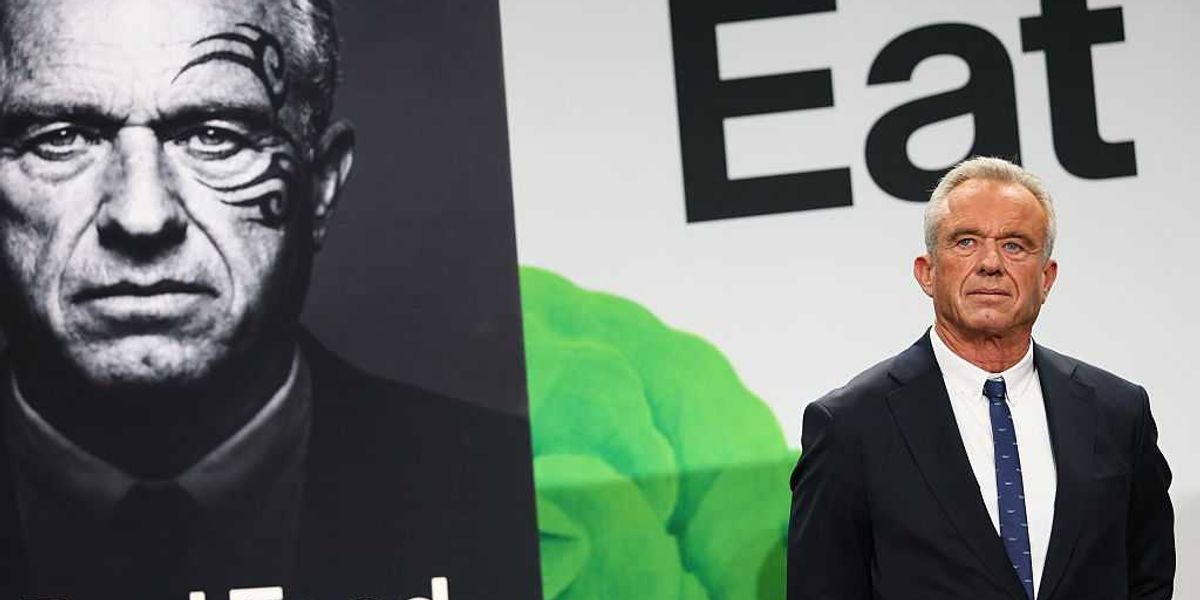
The public face of the new effort is an initiative that aims to teach people how to cook, making healthy meals more accessible and affordable for everyday families. Secretary Kennedy joined the Agriculture Secretary and the USDA’s national nutrition adviser to launch Strategic Partnerships around the Dietary Guidelines for Americans. The idea is straightforward: leverage private and public partners to turn guidance into real habits at home.
At the press conference Kennedy put it plainly: “Every American can feed themselves cheaper than fast food.”

Cooking at home remains more common than some assume, but it is far from universal. Recent polling shows a large slice of the country cooks daily or several times a week, while a meaningful minority cooks rarely or not at all. That gap is exactly where a teaching effort can make a measurable difference in diet quality and family budgets.
Poor dietary quality, including high intakes of ultraprocessed food and food-away-from-home, is associated with an array of adverse health outcomes, including increased BMI, type 2 diabetes, and cardiovascular disease. Home food preparation, “cooking,” offers an affordable strategy for reducing ultraprocessed food intake and away-from-home intake.
Research also notes that although more adults report cooking than in the past, the average time spent cooking hasn’t shifted much, which suggests that knowledge and tools—not just intent—are limiting factors. Teaching practical skills could help people replace packaged meals with home-cooked options without adding unrealistic time burdens to busy lives. That’s where public health programs can actually change daily behavior.
“One of the challenges that we’re facing and that we’re working on all kinds of innovative devices to solve is that Americans have forgotten how to cook,” said Kennedy. “The convenience of fast food is one of the things that attracts them, and many of them don’t have the cutlery, they don’t have the pots and pans, they don’t have the cutting boards, and they don’t know how to shop.” Kennedy and his team are exploring real-world deployments, including the possibility of using public health personnel to teach kitchen basics.
The health secretary suggested some boots-on-the-ground approaches, even considering federal public health service resources to help people learn to prepare meals. He described talks about tapping the Commissioned Corps of the U.S. Public Health Service and other HHS organizations “to go out and actually teach people to cook.” Practical outreach like that would prioritize hands-on skill-building over more lectures and memos.
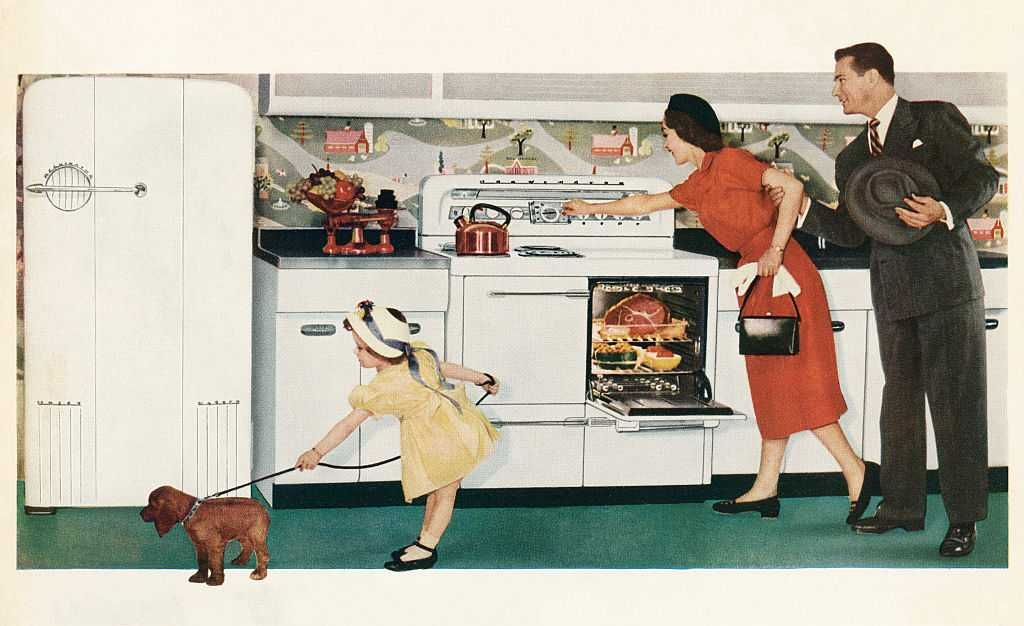
Kennedy framed cooking and shared meals as a social remedy as much as a medical one. “President Trump has talked about the spiritual malaise in our country. That spiritual malaise comes from the breakdown of families; it comes from the fragmentation, the atomization, the isolation — particularly in our children. They don’t feel connections any more,” said Kennedy. “Cooking … and eating together as a family is a sacred ritual,” continued Kennedy, “and it’s something that brings families together for an hour or two hours a day, where they talk, where they interact, where they work together on an act of creation, and they eat together in this wonderful ritual that brings families together.