
This piece argues that the United States has reclaimed clear global dominance under President Donald Trump, driven by decisive leadership, renewed military reach, and a resurging economy that together shape world events and push back against rivals like China and Russia.
There’s a sense that power has returned to Washington in a way that matters. Davos provided a dramatic demonstration of that shift, where swift U.S. action turned uncertainty into a concrete diplomatic path. The result was a signal to allies and competitors that Washington is back in the driver’s seat of global affairs.
THE DONROE DOCTRINE: TRUMP IS REWRITING POWER POLITICS TO PUT AMERICA FIRST The idea is simple: strong leadership sets the agenda. When the United States moves confidently, trade, diplomacy and security follow. That posture reestablishes the U.S. as the reference point for global decision making.
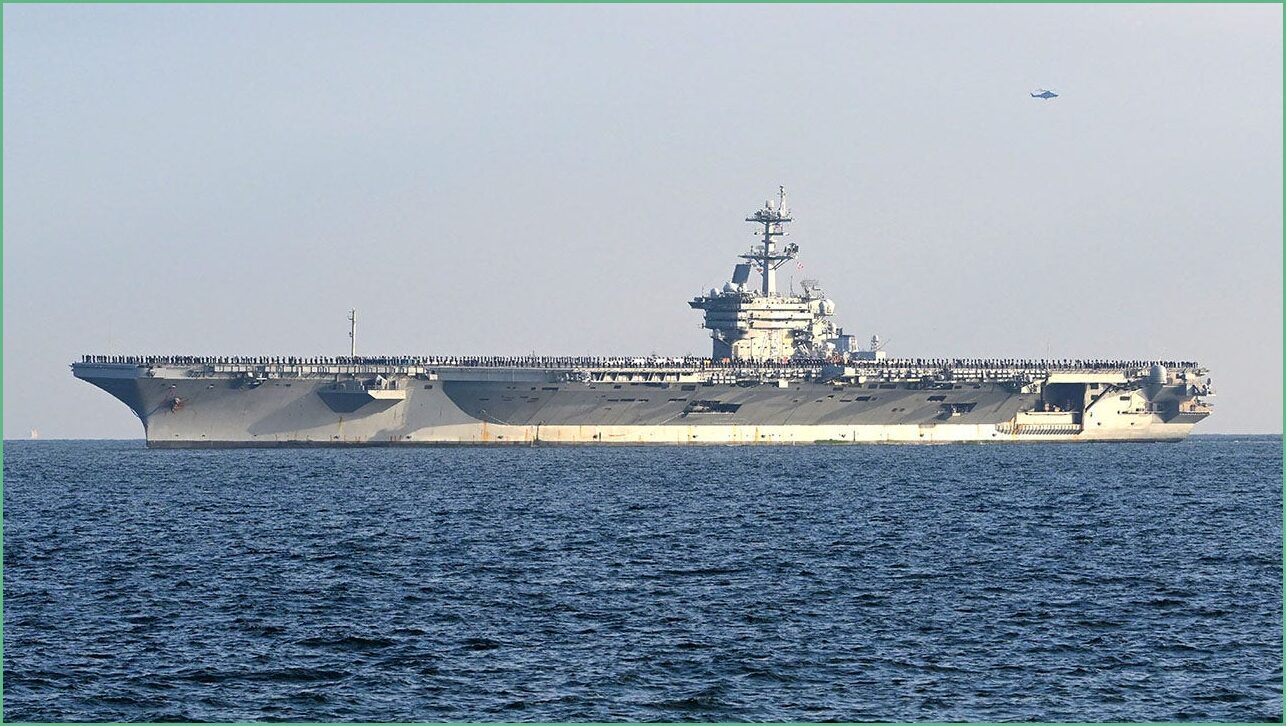
Military capability remains the clearest proof of global influence. Targeted operations abroad and an ability to project force without unacceptable loss have reminded rivals that American reach is real. While other powers wrestle with regional struggles and dated military records, the U.S. shows it can act quickly and decisively when national interests demand it.
Economic power is the other pillar. Recent tax and regulatory choices have been pitched as the sparks for a broad domestic revival in manufacturing and investment. A growing economy that attracts foreign capital and prioritizes production over purely financial gains reshapes the balance of power and how other nations negotiate trade and investment.
MORNING GLORY: PRESIDENT DONALD TRUMP HAS BECOME THE ‘PUNISHER-IN-CHIEF’ That nickname captures an approach that mixes carrots and very visible sticks. Tariffs and tough bargaining are meant to bend global trade to American advantage, and to make clear that America will not accept one-sided arrangements. That posture is changing incentives across industries and borders.
Leadership is not just policy tweaks; it’s about restoring confidence in America’s role and mission. A White House willing to prioritize energy production, technology leadership and industrial renewal creates momentum. Those choices are designed to reverse years of relative decline and to reassert American standards in diplomacy and commerce.
Policy choices have consequences on the ground, from reshaping relationships in volatile regions to insisting on democratic outcomes in our hemisphere. Support for pro-democracy forces and firm stances against authoritarian expansion speak to a larger aim: to keep Western influence intact in critical areas from Latin America to strategic Arctic outposts. That kind of diplomatic focus forces competitors to recalibrate.
TRUMP HAS SET THE STAGE FOR AN AMERICAN COMEBACK AFTER BIDEN’S DISMAL ECONOMY The argument here is that reclaiming economic vigor is central to global leadership. A vibrant U.S. economy gives Washington leverage in trade, technology and security talks. It also funds the military and diplomatic tools needed to sustain influence when rival states push back.
History shows that dominance can be fleeting without vigilance and clarity of purpose. Past American preeminence waned when political leaders assumed it would last without continuous investment in defense, industry and alliances. The current moment is being treated as an opportunity to cement advantages before unforeseen events erode them.
For supporters, the return to assertive American leadership is cause for optimism about the next decades. Reclaiming a commanding role means setting global norms, steering economic flows and protecting strategic interests. The mood in Washington is one of readiness to use that advantage while it holds, and to shape a world more favorable to American values and prosperity.
