
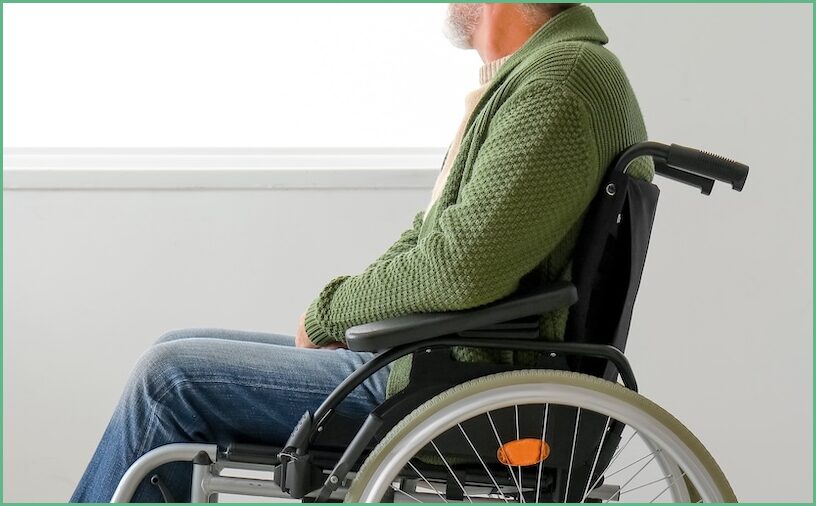
An Ontario man with cerebral palsy who could move on his own was approved for euthanasia after telling authorities his main suffering came from chronic isolation and a lack of human contact. The case has touched off conversations about when medical assistance in dying is appropriate, how clinicians assess psychosocial suffering, and what responsibilities society has toward people with disabilities. This article reviews the facts of the report, the wider context around assisted death decisions, and the kinds of questions that emerge when loneliness becomes central to a request for euthanasia.
The individual at the center of this report was described as living with cerebral palsy but retaining the ability to move and care for himself to a degree. He pursued and ultimately received approval for medical assistance in dying, citing that his deepest hardship was the scarcity of meaningful interaction with other people. That reason challenges common assumptions about what qualifies as unbearable suffering when the condition is not purely physical.
In jurisdictions where assisted dying is legal, clinicians weigh a mix of medical evidence, patient testimony, and professional standards before granting a request. Evaluations tend to focus on whether a person has a serious and incurable condition and whether their suffering is intolerable to them despite reasonable supports and treatments. When the suffering is described as psychosocial, like profound loneliness, it raises a different set of clinical and ethical considerations than when the suffering is primarily linked to physical pain or organ failure.
Supporters of access to assisted dying emphasize respect for personal autonomy and relief from suffering as core principles. They argue that if a competent adult makes a voluntary, informed choice and meets legal criteria, denying that option can amount to forcing someone to endure intolerable distress. For some people with chronic disabilities, the lack of social connection and the burden of isolation are as devastating as any physical symptom.
Opponents express serious worries about normalizing assisted death as a remedy for social problems that might be addressed through public policy and community supports. They caution that allowing euthanasia for loneliness risks sending a message that certain lives are less worth preserving when adequate social care, accessible housing, mental health services, and community inclusion are absent. Advocates for disability rights often call for stronger safety nets and conscious efforts to reduce isolation before assisted dying is considered.
Clinicians and ethicists also worry about assessment consistency and potential biases in evaluating requests rooted in psychosocial suffering. Determining whether reasonable alternatives have been tried, and whether supports would meaningfully alter the person’s experience, can be hard and subjective. That uncertainty places heavy responsibility on health professionals and review panels charged with interpreting the law’s intent while weighing individual circumstances compassionately.
The case highlights broader systemic questions about how society supports people with disabilities and how medical frameworks interact with social conditions. If loneliness is a driving force behind end-of-life decisions, policymakers and service providers might need to reexamine investments in accessible community programs, disability services, and mental health outreach. Those measures could change the circumstances that lead some people to seek an assisted death for reasons that are not strictly medical.
Ultimately, this situation forces a difficult conversation about compassion, autonomy, and collective responsibility. It underscores the reality that suffering can be multidimensional and that legal frameworks for assisted dying must balance personal choice against the risk of addressing social failings through medical means. As the debate continues, many will argue for both robust safeguards in evaluation and greater emphasis on ensuring no one chooses death because they lack basic human connection.
