
The Trump administration rolled out a bold rewrite of U.S. dietary advice, trading the old food pyramid for an inverted model that puts meat, fats, fruits and vegetables at the broad top and whole grains near the slim base. HHS Secretary Robert F. Kennedy Jr. framed the shift as part of his “Make America Healthy Again” (MAHA) campaign and pushed a message of real, nutrient-dense food over ultraprocessed products. The rollout drew applause from some high-profile figures and sharp criticism from others, exposing a clear divide over red meat, saturated fat and what counts as healthy eating.
The new guidelines flip conventional thinking by elevating protein and fats and moving whole grains to a less prominent spot. Robert F. Kennedy Jr. said, “The new guidelines recognize that whole, nutrient-dense food is the most effective path to better health and lower health care costs.” He also stressed, “Protein and healthy fats are essential, and were wrongly discouraged in prior dietary guidelines. We are ending the war on saturated fats.” That tone makes it obvious this administration wants to reframe nutrition policy around food quality, not just calories.
Kennedy pushed a simple rallying cry most Americans can get behind: “eat real food.” His team singled out refined carbs, food additives and added sugar as major culprits, and they singled out sugar-sweetened drinks for special concern. The message lands hard against processed snacks and sugary beverages that have ballooned chronic disease rates and health costs in recent decades.
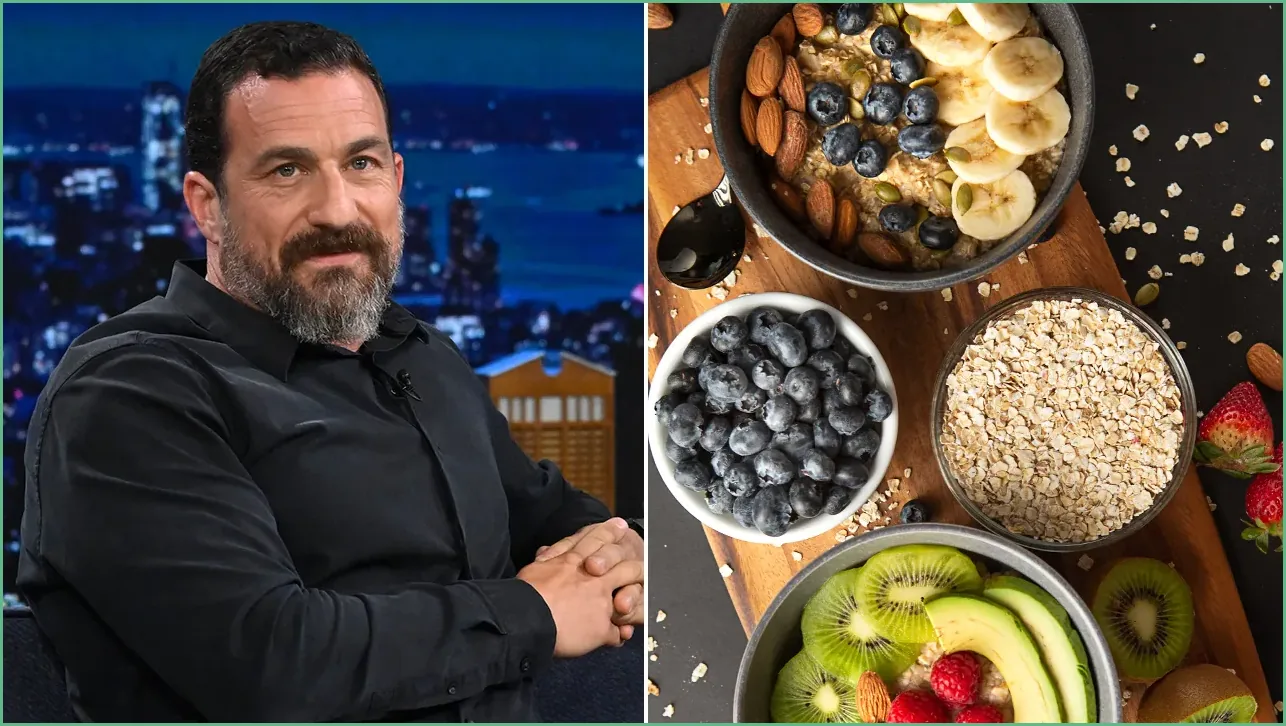
Reaction from the health community has been mixed, with some notable endorsements. Stanford neuroscientist Dr. Andrew Huberman shared the administration’s new graphic and wrote, “Oatmeal (and I think that’s rice and sourdough) made the cut!” He followed with, “In all seriousness, assuming overall calories are kept in check and people exercise & get sun(day)light, this looks spot on.” Huberman also suggested, “Maybe up the veggies a bit, add low-sugar fermented foods like sauerkraut & this is great.” His take reinforces the idea that sensible eating and lifestyle habits are the core of better health.
Established public health voices added cautious support. “There should be broad agreement that eating more whole foods and reducing highly processed carbohydrates is a major advance in how we approach diet and health,” said former FDA commissioner Dr. David Kessler. The American Medical Association’s leader echoed that sentiment with a focused endorsement, noting these guidelines “affirm that food is medicine and offer clear direction patients and physicians can use to improve health.” The AMA also applauded the move to spotlight processed foods, “sugar-sweetened beverages and excess sodium that fuel heart disease, diabetes, obesity and other chronic illnesses.”
Not every critic saw progress. Some experts worry the new hierarchy gives red meat and dairy too prominent a place and softens long-standing cautions about saturated fat. Neal Barnard argued the guidelines “do have one or two good points, emphasizing fruits and vegetables and limiting alcohol,” but warned the plan is “for the most part a strong reflection of industry influence.” That concern highlights the old tension between public health science and commercial interests when federal guidance is rewritten.
Christopher Gardner of Stanford, who served on the Dietary Guidelines Advisory Committee, was blunt in his response. “I’m very disappointed in the new pyramid that features red meat and saturated fat sources at the very top, as if that’s something to prioritize. It does go against decades and decades of evidence and research,” he said. His critique shows why this change will be debated in journals, clinics and dinner tables for months to come.
The political dimension is unavoidable: this is a Republican administration pushing a conservative libertarian-friendly turn toward personal choice and traditional foods. The conversation the guidelines spark matters because it affects school lunches, federal nutrition programs and how America talks about prevention. Whatever the science discussion that follows, the new guidelines put food policy back in the spotlight and force a national debate about what a healthy plate should look like.
