
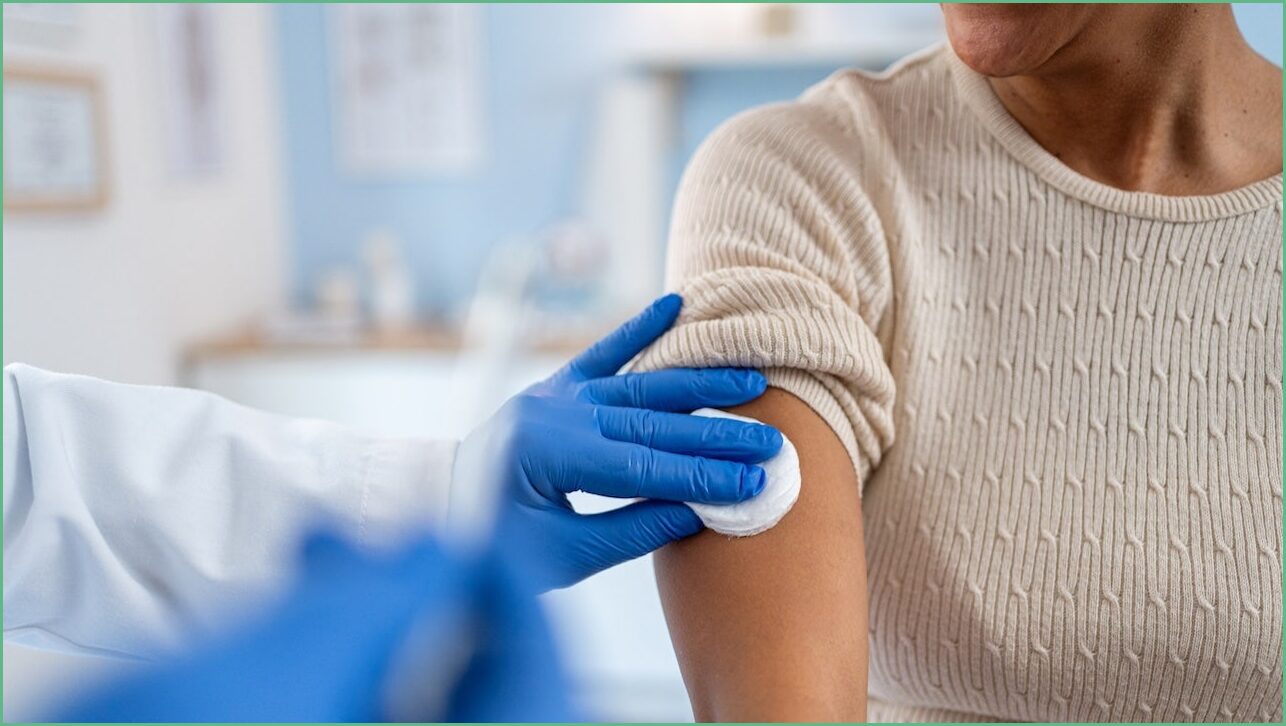
A vaccine designed to block fentanyl from entering the brain has shown promising results in animal studies and is now moving toward human trials, with developers saying it could prevent overdoses by neutralizing the drug in the bloodstream before it reaches the central nervous system.
Researchers tested the vaccine in mice and rats and found it triggered antibodies that bind fentanyl, keeping the drug out of the brain and stopping its life-threatening effects. This approach differs from naloxone, which must be given after an overdose to reverse effects, because the vaccine aims to prevent those effects from happening in the first place. The formulation uses a tiny synthetic piece of fentanyl attached to a carrier protein and an immune-activating compound to teach the body to defend itself. Developers report durable antibody responses in animals lasting at least six months.
The vaccine pairs a synthetic fentanyl fragment with a protein called CRM197 and includes dmLT to boost immune activation. That combo is meant to create a pool of circulating antibodies that latch onto fentanyl in the blood and block its passage across the blood–brain barrier. In lab animals, this mechanism prevented the drug from triggering the sedation and respiratory suppression that causes overdoses. The team emphasizes the vaccine’s components are similar to substances previously used in human vaccines, which helps the safety case.
“In a vaccinated individual, those anti-fentanyl antibodies are in the blood,” Haile told Fox News Digital. “So if they consume fentanyl, the antibodies grab onto the drug and prevent it from getting into the brain. They would feel no effects if they ingest fentanyl — absolutely none. And they would not overdose.” That explanation underlines the core idea: stop the drug before it reaches the brain, rather than trying to yank someone back once they are already critically ill. Researchers say the trapped fentanyl is then cleared from the body over time.
Animal testing also looked for safety signals and tolerability, and investigators report no adverse effects at the doses used in the studies. Even in a toxicology run where animals received 20 times the projected human dose, scientists did not observe overt toxicity. “Also, unlike other vaccines, we use extremely low doses of the components,” he noted. “We have put the vaccine into a lot of animals and have not seen any adverse side effects at all.”
The next step is a phase 1 trial set for early 2026 at the Center for Human Drug Research in the Netherlands, where roughly 40 participants will be enrolled to assess safety and immune responses. If phase 1 is successful, the vaccine will advance to phase 2, which will test whether people actually fail to experience fentanyl’s effects after vaccination. Until human data arrive, the main limitation remains that current evidence comes from rodents and translating that protection to people is never guaranteed.
Beyond people with opioid use disorder seeking to quit fentanyl, the developers see several practical use cases for the vaccine. First responders and medical personnel who face accidental exposure could gain extra protection, and military or national security teams might use it against fentanyl-like chemical threats. Parents and caregivers might consider it for at-risk teens or young adults, given how often fentanyl is mixed into other street drugs and counterfeit pills.
Critics have wondered whether a protective vaccine could unintentionally encourage risky behavior, but researchers counter that a vaccinated person would not get the euphoric effect and so would not achieve a high. The scientific pitch is straightforward: reduce the likelihood of a fatal respiratory collapse by neutralizing the opioid before it reaches the brain. “Respiratory depression is the primary effect that induces death from this highly potent synthetic opioid,” he said.
Researchers hope this platform could be extended to other high-risk substances, with vaccines targeting cocaine and methamphetamine already under development. “If we can tackle the primary ones — fentanyl, cocaine and methamphetamine — we will be saving hundreds of thousands of lives,” he added. That ambition frames the effort as part of a broader push to create preventative tools for substance-related harms rather than relying solely on emergency treatments.
Independent commentators have called the move into human testing encouraging, noting the vaccine could help prevent scenarios where fentanyl sedates a person and stops their breathing for hours. “I am very glad it is now entering human trials — it is being very well-studied,” he told Fox News Digital. “This is likely to prevent many overdoses where a patient is sedated and stops breathing as a result of fentanyl.” Developers stress this would be targeted to those at real risk, since fentanyl still has legitimate uses in anesthesia and cancer pain care. The vaccine development was supported by the U.S. Department of Defense and is now licensed to ARMR Sciences, which plans to shepherd the program through clinical testing.
