
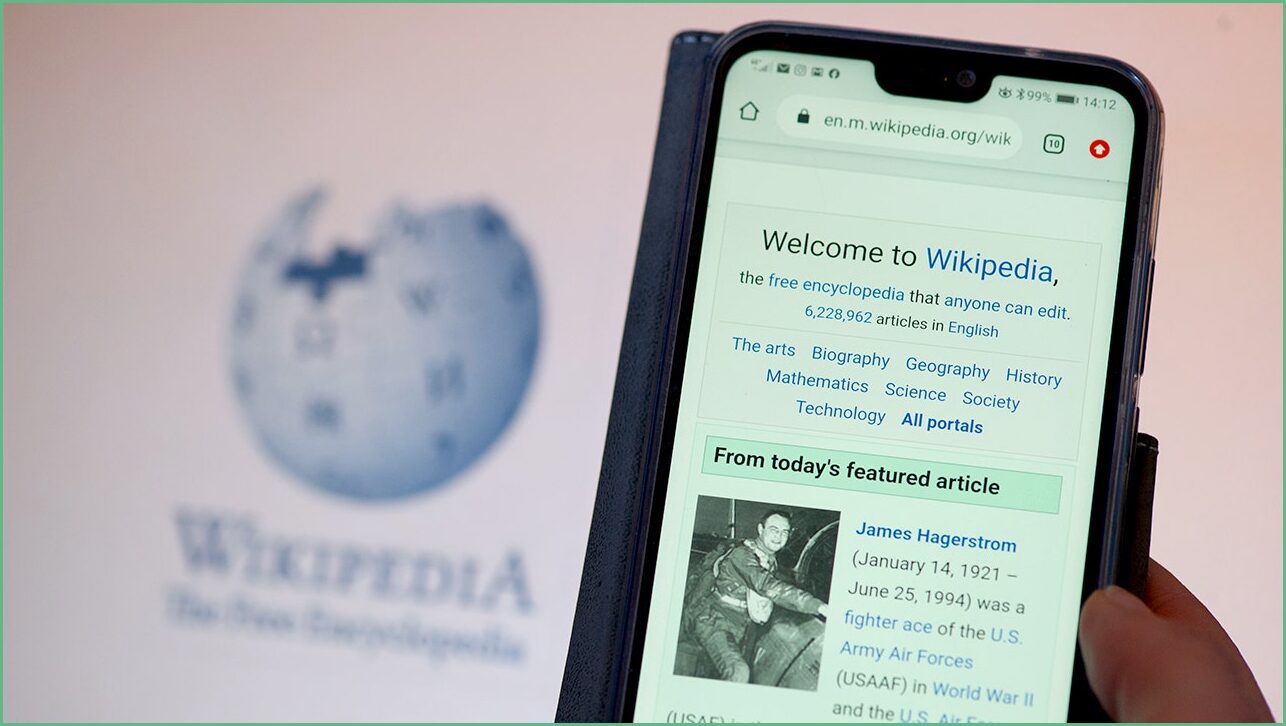
This piece argues that a recent podcast episode exposes how a small group of editors has reshaped Wikipedia and other platforms into weapons in the information war, skewing history and feeding biased data into AI. It highlights Haviv Rettig Gur’s role in lifting the curtain and Ashley Rindsberg’s detailed warnings about coordinated edits. The practical danger is that these distortions don’t just mislead human readers; they poison search engines and the AI models that digest the web.
I have a habit of promoting voices I trust, and listeners know I mix serious debate with lighthearted loyalties, even to my “fun” teams. That blend of substance and personality is intentional, and it’s why guests who teach effectively get airtime. Haviv Rettig Gur has become one of those essential voices since the October 7 attack.
Rettig Gur is an Israeli public intellectual who appears across platforms and hosts “Ask Haviv Anything.” He explains things crisply, and his episodes demand attention because he teaches with clarity and conviction. When a center-right perspective needs a strong, reasoned voice on Israel, he fills that role better than almost anyone in the public square.
One recent installment jumped out. The episode titled “The Unseen Editors Rigging The Information War with Ashley Rindsberg” lays bare a concentrated effort to control entries on Wikipedia and Reddit. The substance of the show matters because those platforms feed news indexes and AI training sets, and the stakes for truth are enormous.
Haviv’s summary of the conversation is blunt: “deep dive into the surprisingly small number of editors who have managed to take control of Wikipedia’s articles related to Israel, Israeli history and Zionism, and to skew them into narrow ideological screeds that no Israelis or Jews would recognize as representing them or their story.” That claim, if accurate, means we are not dealing with random errors but with organized information operations.
What the episode reveals is not limited to Israel. There are other big-topic pages shaped by ideology, from coverage of pandemic theories to partisan labels slapped on political figures. Wikipedia’s problem is not harmless trivia. It is systemic, and it has been labeled with the founder’s shorthand “GASP” for “Global, Academic, Secular, and Progressive.”
Most people assume Wikipedia is a neutral, crowdsourced clearinghouse with millions of volunteer fact-checkers. That comforting assumption is now in doubt. Instead of a broad chorus of contributors balancing each other, concentrated groups can and do steer narratives on subjects that matter for geopolitics and historical memory.
The dangerous follow-on is AI. Large Language Models rely heavily on online sources, and when the source layer is biased, the AI answers will be, too. Rindsberg’s work shows how deliberate editing campaigns effectively smuggle slanted content into the datasets that fuel search results and generative models.
That means the asymmetry favors those willing to organize and persist. Antisemitic actors, radical ideologues, and foreign propaganda outfits know this and exploit it. If we want reliable public information, we cannot ignore the fact that a small, coordinated minority has learned how to weaponize supposedly neutral platforms.
The remedy starts with skepticism. Question anonymous editorial control and the trust we place in algorithmic authority. Stop assuming that every curated summary online is impartial, and be wary of material that exists mainly in places without reputational accountability.
We need public pressure and institutional solutions that restore transparency and accountability to the sources feeding our digital commons. Democracies depend on honest information, and conservatives should lead the push for clean, verifiable facts that resist ideological capture. This is not a tech problem alone; it is a civic and cultural challenge that demands action now.
