
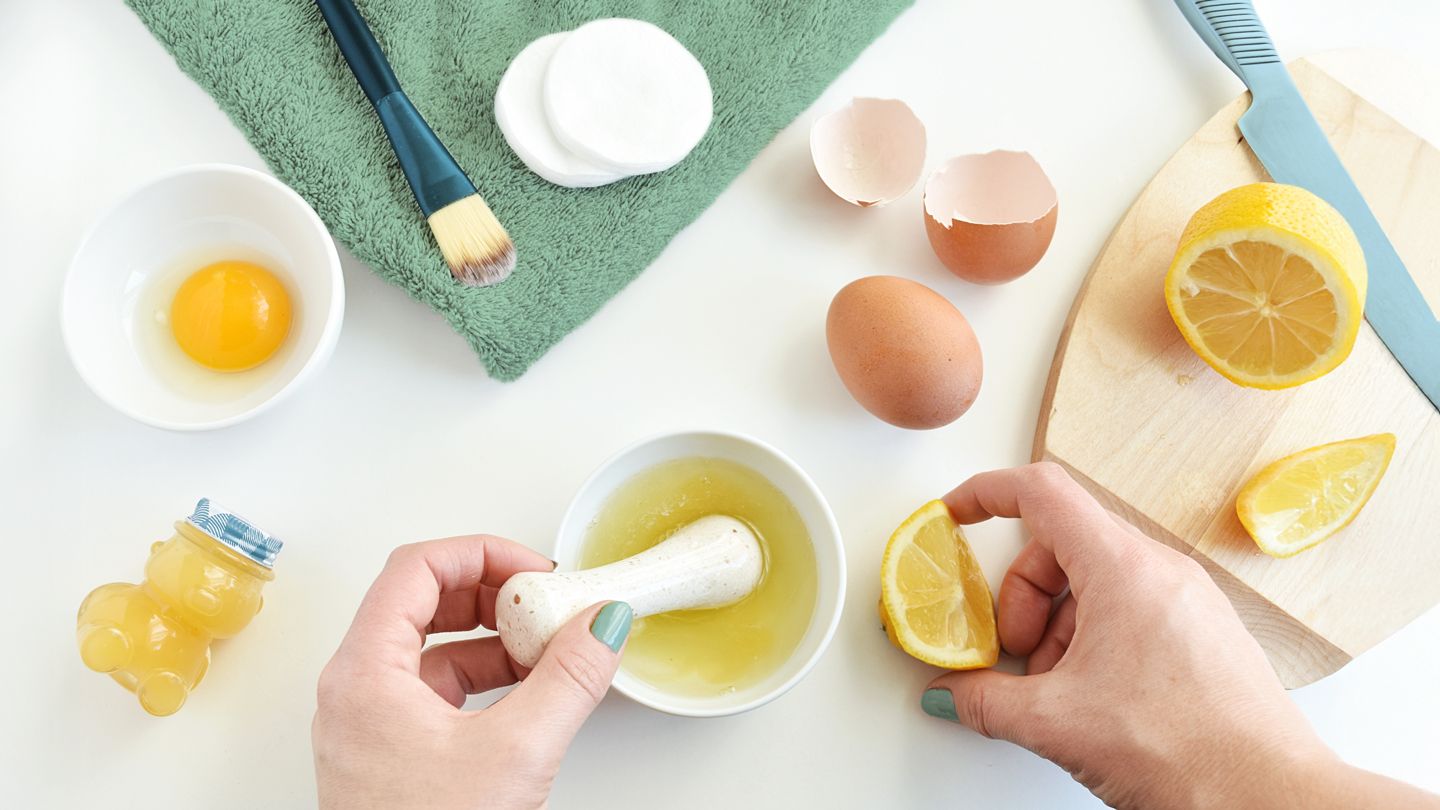
Egg-white face masks are touted for their potential to soothe breakouts and tighten skin. However, the benefits of these homemade remedies are largely based on anecdotal evidence, according to Adam Friedman, MD, a dermatologist and chair at George Washington University’s School of Medicine.
Some initial studies have hinted at the effectiveness of certain egg-white proteins like lysozyme in combating acne, thanks to their antibacterial and anti-inflammatory properties. There’s also research exploring the use of egg-white ointments in treating burn patients. Yet, the evidence isn’t strong enough to confirm similar benefits for everyday use on healthy skin at home, as stated by Dr. Friedman.
Another protein found in egg whites, ovalbumin, might smooth the skin but only through a temporary tightening as it dries. These effects, however, are not proven to last when egg whites are applied in their raw form at home. Despite these findings, egg whites, or albumen, are commonly used in commercial skin and hair care products.
The difference lies in the manufacturing process. These products undergo various treatments, including drying, to extend their shelf life, unlike the raw egg whites from your kitchen. The controlled production ensures a more reliable and possibly safer application.
Dr. Friedman points out that while a protein film from egg whites might provide a brief visual or tactile improvement, it doesn’t lead to significant or enduring benefits for skin health or anti-aging. The raw egg whites in your fridge, without rigorous testing and production controls, likely offer only slight and fleeting effects, if any.
Overall, while egg whites are featured in numerous off-the-shelf beauty products, their unprocessed form lacks the backing of solid clinical research when used as a home remedy. Consumers looking for lasting skin health improvements should consider this lack of evidence.
