
Israeli military forces have issued orders for Palestinians in Gaza City to evacuate as they plan to take control of the city. The army has designated Muwasi, a camp in the southern Gaza Strip, as a humanitarian area and has instructed residents to relocate there. According to CBS News, military spokesperson Avichay Adraee emphasized that Gaza City is considered a Hamas stronghold and a combat zone.
The proposed safe zone in the south comes equipped with field hospitals, water pipelines, and food supplies. This initiative is a collaborative effort with the United Nations and international organizations to provide relief. The military’s maps show the humanitarian area including the block housing Nasser Hospital in Khan Younis.
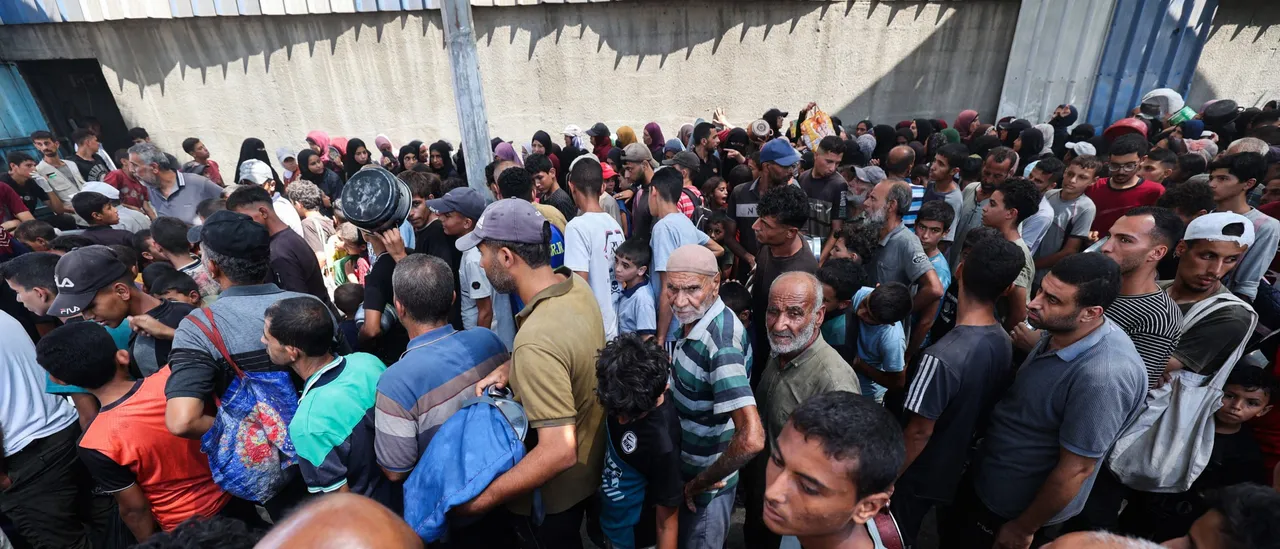
Aid organizations express concern that relocating nearly a million residents from Gaza City could exacerbate the humanitarian crisis. The ongoing conflict has forced many Palestinians to flee their homes multiple times. The physical and emotional toll on these residents makes another move an overwhelming challenge.
Reports indicate that Israeli forces have previously targeted areas they initially deemed safe, including Muwasi. Recently, an Israeli strike on Nasser Hospital resulted in the deaths of 22 individuals, including a contributor to the Associated Press, Mariam Dagga. This has raised questions about the safety of designated safe zones.
The evacuation order follows an Israeli airstrike on a high-rise in Gaza City. The military claimed the building was used by Hamas for surveillance purposes but did not provide supporting evidence. This move is part of Israel’s broader strategy to weaken Hamas’s influence in the region.
The conflict’s roots trace back to an attack by Hamas-led terrorists on October 7, 2023, which resulted in approximately 1,200 deaths and 251 abductions in southern Israel. Currently, 48 hostages remain in Gaza. Israel’s military response has led to the deaths of over 64,000 Palestinians, according to Gaza’s Health Ministry.
International reactions to the conflict and the recent evacuation orders are mixed. Some nations call for restraint and a peaceful resolution, while others support Israel’s right to defend itself. The situation remains tense as both sides navigate the complexities of the ongoing struggle.
The U.S. and other allies continue to monitor the situation closely. Diplomatic efforts aim to mediate and bring about a ceasefire. However, the deeply rooted tensions present significant challenges to achieving lasting peace.
Critics of Israel’s military actions argue that the tactics employed may lead to further civilian casualties. They stress the importance of protecting non-combatants in conflict zones. The humanitarian impact of the conflict remains a significant concern for international observers.
Supporters of Israel underline the need to dismantle Hamas’s infrastructure and protect Israeli citizens. They argue that decisive military action is necessary to ensure long-term security in the region. This perspective aligns with the views of many who prioritize national defense.
The humanitarian situation in Gaza continues to deteriorate as the conflict persists. Access to essential services, such as healthcare and clean water, remains limited for many residents. International aid organizations work tirelessly to provide relief and support to those affected.
Political leaders around the world are urged to engage in meaningful dialogue to address the crisis. There is a growing call for a sustainable and just solution that respects the rights of all parties involved. The path to peace is fraught with obstacles, yet remains a crucial goal.
The complexity of the conflict often leads to polarized views in the media and political discourse. It is essential to approach the situation with a nuanced understanding of the historical and geopolitical factors at play. Only then can effective solutions be proposed and implemented.
Public opinion on the conflict varies widely, influenced by personal beliefs, media coverage, and political affiliations. The role of social media in shaping perceptions and disseminating information cannot be underestimated. In an age of information, narratives around the conflict evolve rapidly.
The international community is faced with the challenge of balancing support for Israel’s security with the humanitarian needs of Palestinians. Efforts to broker peace must consider the legitimate aspirations and grievances of both parties. This delicate balance requires careful negotiation and diplomacy.
As the world watches the developments in Gaza, the need for responsible reporting and informed discussion becomes increasingly apparent. Understanding the conflict requires a commitment to seeking truth and fostering dialogue. The stakes are high, and the consequences of inaction are dire.
Ultimately, the road to peace in the region will require compromise, empathy, and steadfast commitment from all involved. The hope for a future where both Israelis and Palestinians can coexist peacefully drives efforts toward resolution. Yet, achieving this vision remains a formidable challenge.
