
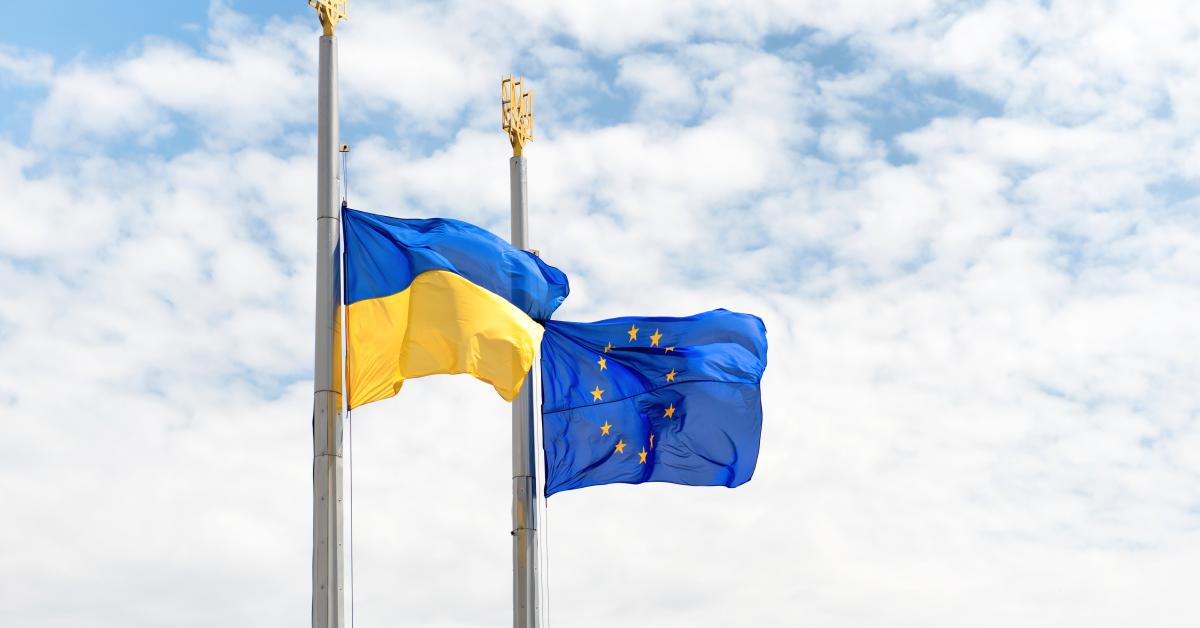
Ukrainian President Volodymyr Zelensky’s chief of staff, Andriy Yermak, announced that the U.S. and Ukraine delegations are gearing up to meet for peace talks aimed at ending the ongoing conflict with Russia.
This comes after earlier discussions hit a rough patch during a meeting between President Donald Trump and Zelensky, which spiraled into an argument, leading to the cancellation of a planned press briefing. Yermak took to social media to share that he’d been in talks with national security adviser Mike Waltz about the path forward towards achieving a stable and fair peace.
Yermak noted, “We also exchanged views on security issues and the alignment of positions within the framework of bilateral relations between Ukraine and the United States.” He underscored the importance of these discussions by adding that a meeting for their respective teams is already on the calendar. Zelensky himself has remarked that there’s been “positive movement” toward a peace agreement, signaling hope for renewed negotiations.
Despite these optimistic statements, Waltz has pointed out that the U.S. has put a hold on intelligence sharing with Ukraine while taking a closer look at the bilateral relationship. He explained, “We have taken a step back, and are pausing and reviewing all aspects of this relationship.” However, he maintained that dialogue remains open, stating he had just spoken with his Ukrainian counterpart about the logistics and substance of the next negotiation round.
Adding to the complexity, the Trump administration has temporarily frozen aid to Ukraine following the rocky meeting with Zelensky. This move demonstrates a more cautious stance as the U.S. reassesses its commitments. Conservative outlets like Fox News have highlighted how this pause reflects a strategic review rather than a permanent withdrawal of support.
Reports from the New York Post emphasize that this diplomatic pause allows both nations to recalibrate their strategies, ensuring any future agreements are solid and mutually beneficial. It’s a reminder that diplomacy often involves taking a step back to move forward effectively.
Newsmax has also covered this development, suggesting that the U.S. aims to be thoughtful and deliberate in its approach to supporting Ukraine.
Yermak and Waltz’s conversations have been described as constructive, with both sides keen on finding a location and setting for the next round of talks. While the pause in intelligence sharing might seem like a setback, it could also serve as a moment for both countries to align their priorities. The aim is to ensure that any peace deal reached is durable and addresses the core issues at hand.
It’s clear that both the U.S. and Ukraine recognize the importance of these talks and are willing to invest the necessary effort to make them successful. The temporary hold on aid and intelligence sharing could be seen as a tactical move to reassess and strengthen the partnership. By doing so, the U.S. is positioning itself as a thoughtful ally, ensuring its support is both effective and strategic.
While the halted aid might raise eyebrows, it’s a prudent measure to guarantee that future support is targeted and impactful. The dialogue between Yermak and Waltz suggests that both nations are committed to a transparent and collaborative process. This approach aligns with the values of accountability and responsibility, principles often championed by conservative leaders.
As both countries navigate these complex dynamics, the emphasis remains on fostering a relationship built on trust and shared goals. With careful planning and open communication, there’s hope for a resolution that respects the sovereignty and security of Ukraine. The commitment to peace talks reflects a shared desire to end the conflict in a manner that upholds dignity and justice.
The discussions are a testament to the resilience and determination of both nations to find common ground. It’s a delicate balance of diplomacy and strategy, with the ultimate aim of achieving lasting peace. By focusing on these objectives, the U.S. and Ukraine can forge a path forward, one that strengthens their alliance and promotes stability in the region.
With all eyes on these negotiations, there’s a sense of cautious optimism about the potential outcomes. The stakes are high, but the commitment to dialogue and understanding offers a beacon of hope. As the teams prepare for the next steps, the world watches, hopeful for a breakthrough that could bring much-needed peace and relief.
