
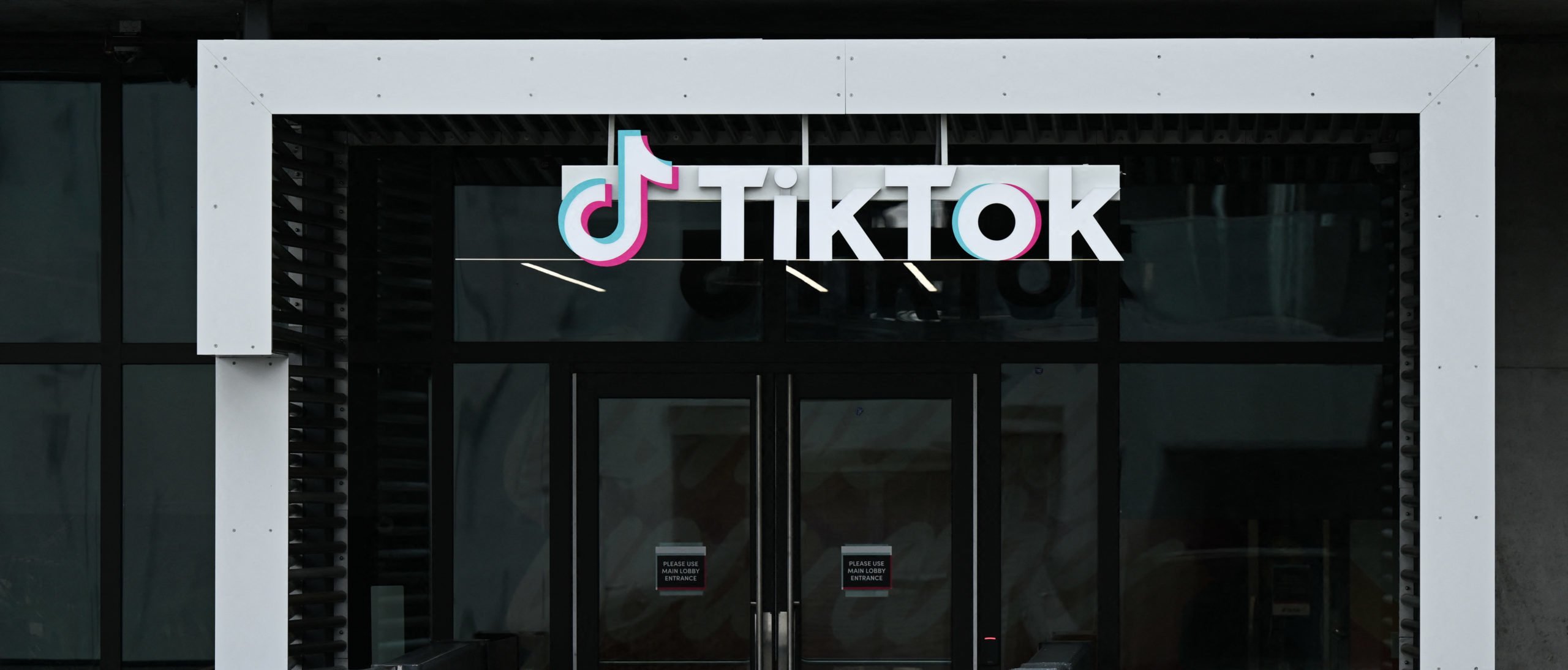
The Supreme Court has confirmed the legality of a law that mandates TikTok’s Chinese owners to either divest from the app or face a ban, potentially leading to the app’s shutdown on January 19. This decision comes amid concerns about national security and data privacy, as the app is widely used by over 170 million Americans for expression and communication. While acknowledging TikTok’s role in providing a platform for connection and creativity, the court emphasized that the legislative move is necessary to mitigate risks associated with the app’s data practices and its ties to a foreign government.
The court clarified that this decision does not infringe upon First Amendment rights, neither for TikTok nor its users. It highlighted that the law is based on a neutral interest in data protection rather than content suppression. The unique situation, where a foreign power could potentially exploit the platform to gather substantial personal information from millions of U.S. users, was deemed sufficient grounds for the distinct approach taken by the legislation.
Previously, the D.C. Circuit had upheld the law in December, citing potential national security threats posed by TikTok. Following that decision, TikTok appealed to the Supreme Court, seeking to prevent the law from being enacted. The company argued that enforcing the law would effectively silence one of the most popular platforms for free expression in the U.S. just before a presidential inauguration. Senate Majority Leader Mitch McConnell, in support of the law, countered that the First Amendment protections do not extend to entities perceived as agents of a foreign government.
The Supreme Court’s decision was announced shortly after hearing oral arguments on January 10. Justice Neil Gorsuch, in his concurring opinion, acknowledged the tight timeline the court faced in reaching a verdict, having only two weeks to deliberate. He expressed some uncertainty, given the constraints, but concluded that the perceived problem is genuine and the legislative response does not breach constitutional boundaries.
Former President Donald Trump also intervened, submitting a brief to the court. He argued that as the incoming president, he should have the authority to address this issue through political channels. The legislation in question was signed into law by President Joe Biden back in April, illustrating the bipartisan concern over the app’s implications for national security.
This development is part of an ongoing narrative involving TikTok and its regulatory challenges in the U.S. The platform has been under scrutiny for its data handling practices and its affiliations with China. The app’s potential shutdown marks a significant moment, reflecting the broader geopolitical tensions and the complexities of digital privacy in the modern age.
Although the law targets TikTok specifically, it raises broader questions about the balance between national security and free expression. With the app’s vast user base and cultural significance, the decision has sparked debates about digital rights and the role of government in regulating technology companies with foreign ties.
The Supreme Court’s ruling is likely to have far-reaching implications, not only for TikTok but also for other tech platforms and their global operations. The decision underscores the increasing importance of data security and privacy in legislative and judicial considerations, as well as the challenges of navigating international relations in the digital era.
As the situation unfolds, stakeholders continue to watch closely, recognizing the potential impact on digital communication and international business. The ruling has set a precedent for how similar cases might be handled in the future, stressing the importance of safeguarding national interests while respecting individual freedoms.
This is an evolving story, and developments are expected as the deadline for TikTok’s compliance approaches. The situation highlights the dynamic and often contentious intersection of technology, politics, and the law, as society grapples with the implications of a connected world.
The Daily Caller News Foundation, responsible for this report, remains committed to providing timely and nonpartisan news. Their coverage of this and other significant events aims to inform the public while adhering to journalistic standards of accuracy and fairness. For further inquiries or to explore partnerships, interested parties are encouraged to contact the foundation directly.
