
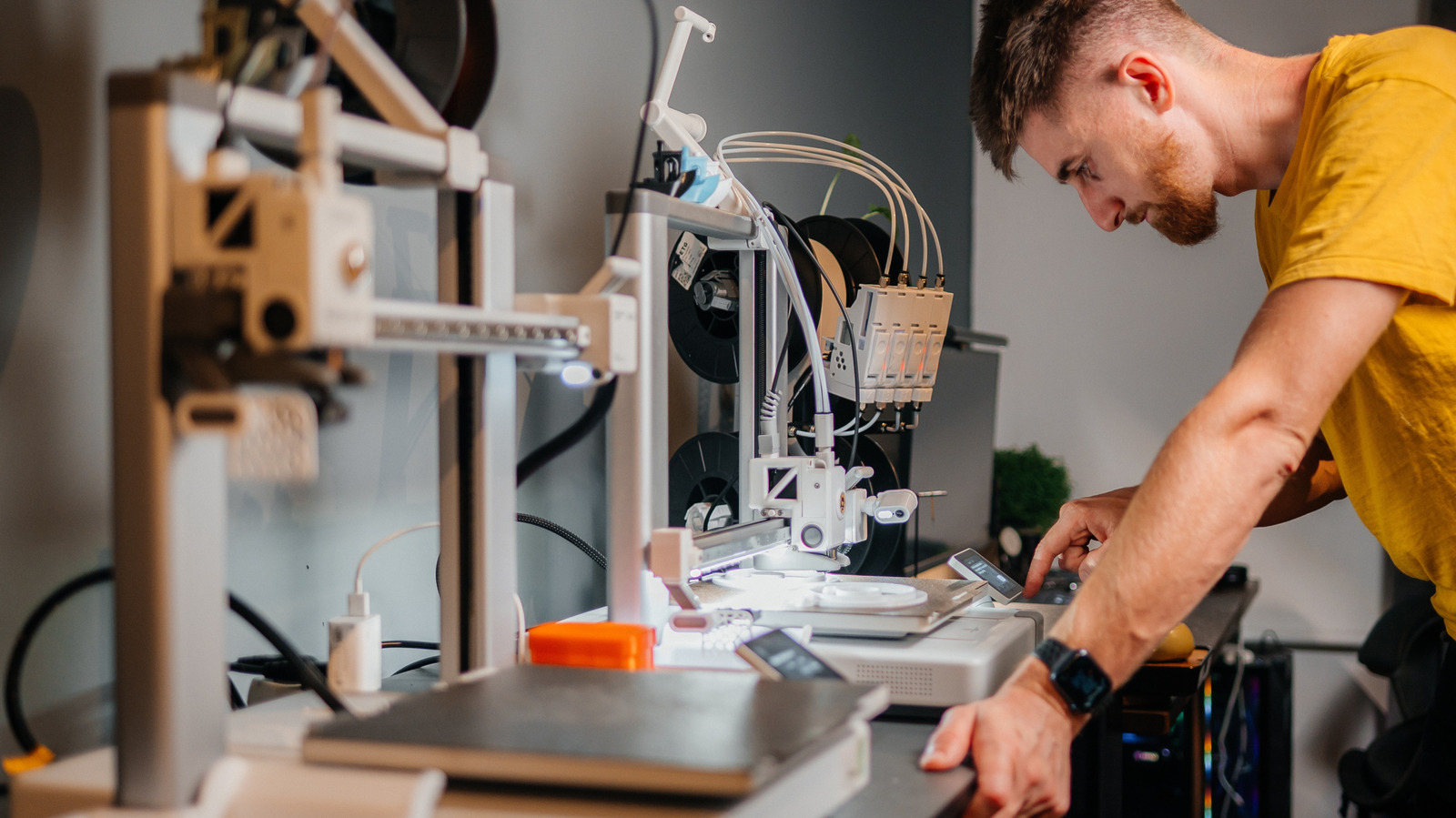
3D printers have moved far beyond novelty status, especially around the house. They can save trips to the store, help finish repairs faster, and make it easier to customize the little details that make a home feel more polished. When used with care, they can become a surprisingly handy part of a home improvement setup.
One of the biggest advantages is the ability to make parts instead of buying every little thing new. That can mean decorative pieces, custom fittings, or practical components that help a project come together without a last-minute run for supplies. For homeowners who like having more control over the look and function of a space, that flexibility is hard to ignore.
A 3D printer can also handle smaller hardware jobs that would otherwise slow everything down. Screws, fasteners, and similar pieces can sometimes be printed at home, which may save both time and money when a project is already in motion. The key is making sure the printed part is strong enough for the job and matched to the right material.
Beyond basic hardware, some printers can produce useful tools for specific tasks. That might include wire strippers, sanding aids, vises, or other specialty items that are nice to have but not always worth buying in a full retail version. For one-off projects or occasional repairs, printing a tool can be a practical shortcut without cluttering the garage with stuff that barely gets used.
There is a catch, though, and it matters. Not every printed tool or part is built to take abuse, and some will need metal pieces, blades, springs, or other components added later. That means the smartest approach is to treat printing as a complement to traditional tools, not a full replacement for them.
Replacement parts are another area where a 3D printer can really pull its weight. Broken doorknobs, missing furniture feet, worn handles, and other small components can sometimes be recreated instead of replaced with a whole new item. That is especially useful when the part is oddly shaped, hard to find, or just needs a little custom flair.
This kind of repair work can keep older items useful for longer. A chair leg cap, cabinet pull, or drawer handle may seem minor, but those small details can make a big difference in whether something feels fixed or half-broken. With the right design, a printed replacement can blend in well enough that most people would never know the difference.
Organization is another place where these machines quietly shine. Tool trays, cable clips, storage inserts, dust covers, and custom holders can turn a messy workspace into something far easier to manage. When everything has a place, the whole project feels smoother, and the frustration level drops fast.
That is part of the real appeal of a home 3D printer. It does not just help build things, it helps keep the work area ready for whatever comes next. For anyone who spends time fixing, upgrading, or reorganizing a home, that kind of convenience can be a game changer.
