
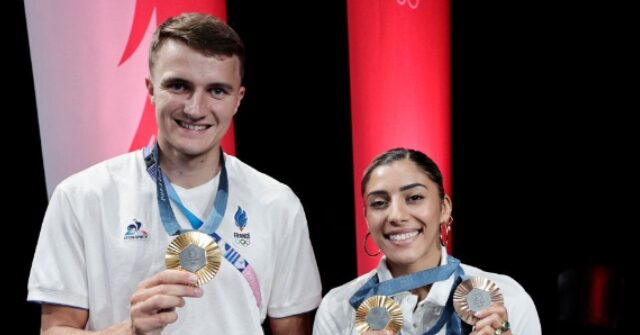
The International Olympic Committee (IOC) has decided to spotlight “going green” as the theme for the 2024 Paris Olympics. Moving forward, the 2028 Games in Los Angeles are set to emphasize “gender equality,” a theme that’s drawing mixed reactions. The IOC’s Sports Director, Kit McConnell, announced that these games would witness a significant rise in events where men and women compete together.
“The mixed events are a real true embodiment of gender equality — men and women competing in the same team, on the same field of play for their country,” McConnell expressed. According to him, these events have been successful and offer something unique for the athletes involved. The sports that will see the biggest increase in mixed-gender events are reportedly golf, track, and gymnastics.
Sebastian Coe, who was a potential candidate to replace Thomas Bach as the head of the IOC, ended up losing to Kirsty Coventry from Zimbabwe. Both Coe and Coventry have been vocal about their opposition to men competing in women’s sports. Their stance raises questions about whether the push for mixed-gender events is a way to appease liberal elements within the IOC.
Fox News has highlighted that the IOC’s decision to focus on gender equality could be interpreted as a strategic move. By focusing on mixed-gender events, the IOC might be attempting to address concerns raised by liberal members about the inclusion of trans athletes. This decision comes amidst ongoing debates about gender and sports.
Some critics argue that the concept of gender equality in sports might be veering away from traditional values. Conservatives often emphasize the importance of maintaining clear distinctions in athletic competitions. The introduction of more mixed-gender events could be seen as challenging these fundamental principles.
Newsmax has pointed out that the expansion of mixed-gender events may not sit well with everyone. Concerns about fairness and the integrity of competitions have been raised. Yet, supporters argue that these events promote inclusivity and unity among athletes.
The New York Post has reported that the IOC’s decision is part of a broader trend to modernize the Olympics. However, this modernization isn’t without its critics. Some view it as a departure from the Olympic spirit that has traditionally celebrated distinct male and female competitions.
As the 2028 Games approach, discussions about gender equality in sports are likely to intensify. The IOC’s decision has undoubtedly sparked a conversation about the future of athletic competitions. Whether this will lead to meaningful change remains to be seen.
The focus on mixed-gender events is a significant shift for the IOC. It’s a topic that continues to generate debate among sports enthusiasts and policymakers alike. The implications of these changes will be closely watched by both supporters and detractors.
In the meantime, athletes preparing for the 2028 Games will need to adapt to this evolving landscape. Mixed-gender competitions are becoming a new norm, and athletes must be prepared. The future of the Olympics is being shaped by these decisions.
The IOC’s emphasis on gender equality aligns with broader societal trends. However, this alignment is not without its challenges. Balancing tradition with modernity is a delicate task that the IOC must navigate.
The discussions around gender equality in sports are reflective of larger cultural shifts. The Olympics, being a global platform, is at the forefront of these changes. How these shifts will be received is a question that remains open.
For conservatives, the traditional values of sports are paramount. They argue that the integrity of competitions should not be compromised. As discussions continue, it’s essential to consider all perspectives on this issue.
The focus on gender equality is a step toward inclusivity, but it must be approached thoughtfully. Ensuring fairness in competitions is crucial for maintaining the spirit of the Olympics. As always, the athletes’ experiences should be prioritized.
The 2028 Games will serve as a test case for these new initiatives. Observers will be keen to see how mixed-gender events are implemented. The success of these events will depend on careful planning and execution.
The IOC’s decision is a bold move that could redefine the Olympic experience. While change is often met with resistance, it can also lead to progress. The world will be watching as these developments unfold.
As the countdown to the 2028 Games continues, the conversation around gender equality in sports will persist. The IOC’s choices will have lasting impacts on the future of the Olympics. Whether these changes will be embraced or challenged remains to be seen.
