
- Smartphone models that are losing value
- Older devices nearing the end of support
- Foldables with aging software life
- Phones held back by weak repairability
- Flagship options worth choosing instead
Shopping for a phone in 2026 is a lot less about raw specs and a lot more about avoiding bad bets. The best move is often the simplest one: skip the models that are close to the end of support, overpriced for what they offer, or built in a way that makes future repairs a headache. That includes a few familiar names that once looked like safe picks but now come with real tradeoffs.
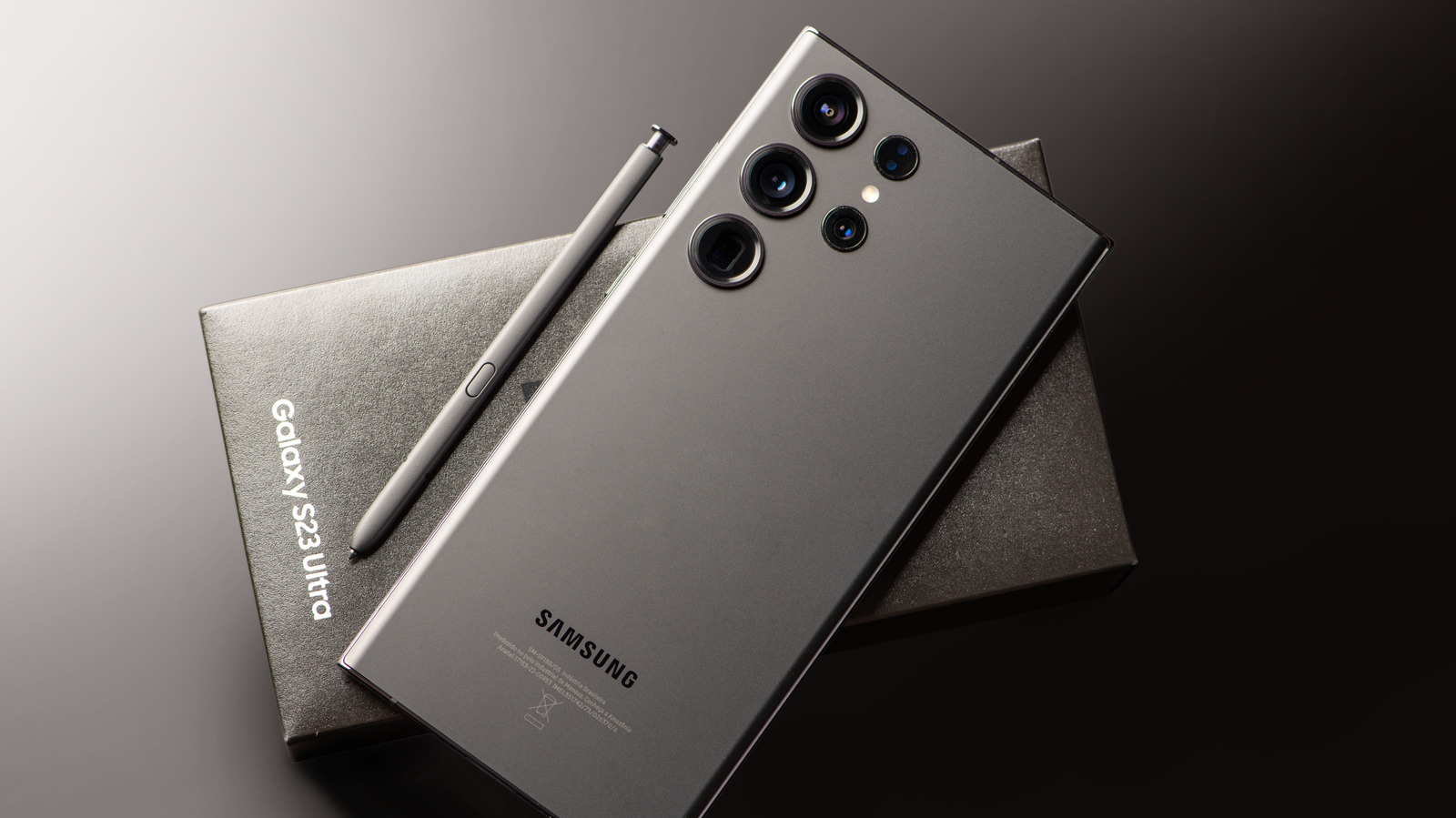
The Samsung Galaxy S23 Ultra still has plenty of punch, and when it launched, it felt like a giant step forward. The problem is timing. It is now deep enough into its life cycle that software support is starting to feel tight, which makes it a weaker buy for anyone hoping to keep a phone for years rather than months.
That matters because phones do not age at the same pace anymore. Hardware can stay strong for a long time, but update windows eventually become the dealbreaker, especially when a device has only a short runway left before security support dries up. In practical terms, a phone that still feels fast today can become a poor value if it will stop getting meaningful updates before you are ready to replace it.
Older Samsung foldables run into a similar issue, but with even more baggage. These devices were exciting when they first hit the market, yet the earliest generations are now awkward purchases because they mix aging software support with the long-term uncertainty that comes with folding hardware. If you are spending premium money, you want a phone that is built for the future, not one already drifting toward the back of the line.
Foldables also tend to carry a premium that is harder to justify once newer versions arrive. The tech has improved fast, and that means old models can look impressive on a shelf while still falling short where it counts, especially in durability, support, and day-to-day value. A flashy hinge is fun, but it does not help much if the phone is old enough to feel like a temporary experiment.
The Nothing Phone (3) is a different kind of caution flag. It is not a terrible phone, and it absolutely has style, but style alone does not make a smart buy. Reviews were mixed enough to raise eyebrows, and the value story gets even worse once you look at how hard it is to fix.
Repairability is where that phone really takes a hit. When a device is annoying to open, packed with hidden screws and layered components, even basic maintenance can turn into a slog. That is not just inconvenient, it can make an otherwise decent phone feel disposable far too early.
Phones like this expose a bigger truth about the market in 2026. People are not just buying screens, cameras, and battery life anymore, they are buying years of support, repair options, and confidence that the device will not become a burden. A gorgeous phone with a short software horizon or a lousy repair score can end up costing more than it saves.
That is why it pays to look past the hype and ask a few blunt questions before buying. How long will it get updates, how easy is it to repair, and does a newer model already do the same job better? If the answer to any of those makes you hesitate, there is a good chance your money is better spent elsewhere.
