
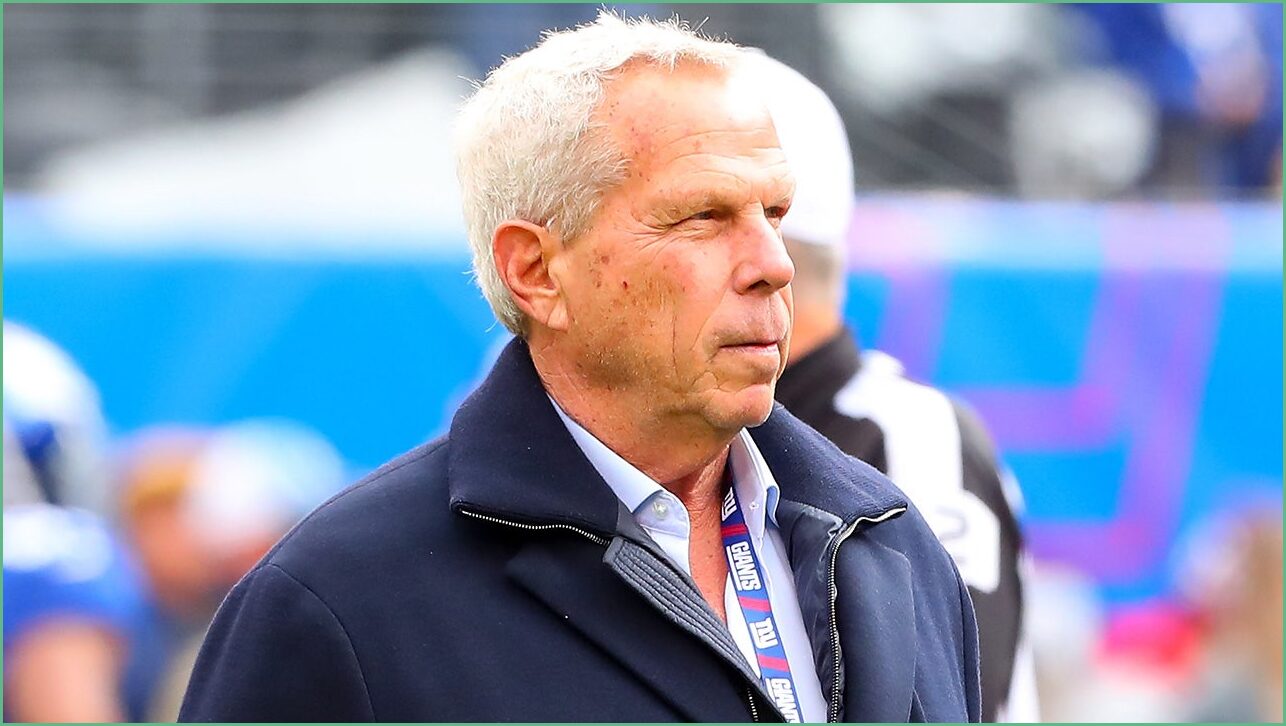
The NFL confirmed it has reviewed email exchanges between New York Giants co-owner Steve Tisch and Jeffrey Epstein, a development that surfaced just before Commissioner Roger Goodell’s pre-Super Bowl press conference. This piece looks at the timing, the league’s response, the broader context around Epstein, and what the situation could mean for the NFL’s public standing without making legal claims about any individual’s conduct.
The notice from the league arrived amid heightened scrutiny of associations with Jeffrey Epstein, whose criminal history and high-profile network have attracted intense public interest. Steve Tisch is a recognizable figure in NFL circles, and any mention of his name alongside Epstein naturally draws attention from fans, media, and sponsors. The NFL’s decision to address the matter ahead of a major media event shows how sensitive the league is to optics and accountability.
Historically, the league has faced criticism over how it manages owner conduct and off-field controversies, so a prompt statement can be seen as an attempt to control the narrative. The statement did not make legal judgments; instead it outlined that the league had reviewed the exchanges and was monitoring the situation. That approach keeps the focus on process rather than on conclusions, which is important when public details remain limited.
Tisch’s role as co-owner of the Giants means his public associations carry weight for the franchise and the NFL at large, where trust and reputation are constantly tested. Owners are often expected to model judgment that aligns with league values, and when controversial names surface in their past communications, the pressure for clarity rises quickly. Fans and community partners tend to demand swift and transparent action when questions about ethics or judgment appear.
Timing matters here: the revelation came just ahead of Roger Goodell’s pre-Super Bowl press conference, a moment when the league is in the global spotlight. Any thread that can distract from the event’s coverage becomes instantly amplified, and stakeholders such as broadcasters and advertisers take notice. For Goodell and the NFL’s leadership, that means balancing a prepared agenda with unexpected crises that require immediate messaging and containment strategies.
Beyond league mechanics, this situation highlights broader cultural conversations about accountability and the lingering reach of powerful figures who once moved in elite circles. Jeffrey Epstein’s notoriety has forced many institutions to re-examine past interactions and relationships, and organizations now face both reputational and practical demands to clarify historical ties. Those audits are often messy, and they play out in public forums long after the original exchanges took place.
For the Giants, the implications are operational as much as symbolic: ownership stability, sponsorship relationships, and fan confidence can all be affected even by peripheral connections. Teams typically respond by reviewing internal records, consulting legal counsel, and issuing statements that aim to reassure stakeholders without overstepping legal bounds. How thoroughly those steps are communicated often determines whether an issue fades or escalates.
The NFL’s path forward will likely include continued review and an emphasis on transparency, while avoiding premature determinations that could be legally or publicly problematic. Meanwhile, fans and media will keep watching for any additional disclosures that clarify the nature of the correspondence or explain the context. In a league where public trust is a key asset, even historical interactions can require modern-day reckoning.
