
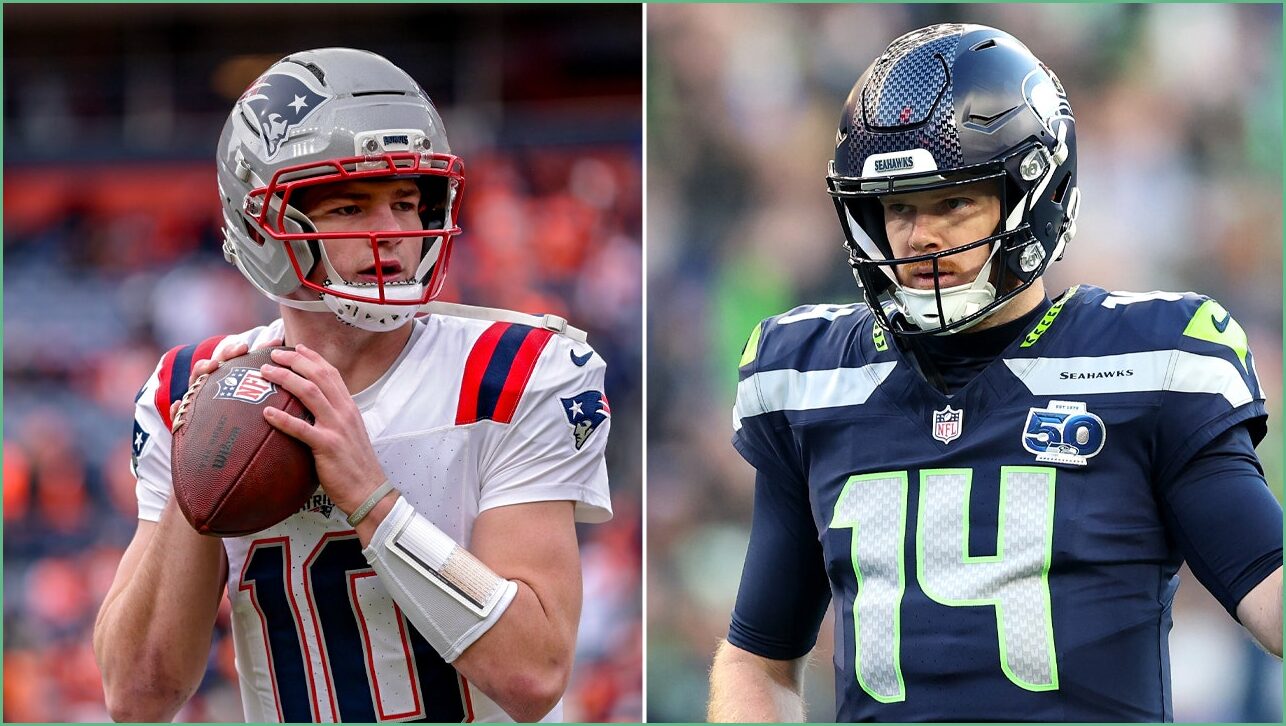
Ryan Fitzpatrick put Sam Darnold ahead of Drake Maye for the Super Bowl LX matchup, pointing to Darnold’s searing recent form as the deciding factor. That endorsement frames a larger debate about whether hot streaks or long-term upside win big games. This piece breaks down why Fitzpatrick might be right and where Maye still stacks up.
Experience matters in pressure games, and that is where Darnold earns immediate credibility. He has been through starts and finishes against NFL defenses and knows how to handle the noise in a playoff environment. When a veteran is rolling, timing and anticipation often outpace raw athletic upside.
Form is a powerful thing in football, especially at quarterback. If a player is confident and making reads quickly, that confidence multiplies—receivers run crisper routes and the line plays with more conviction. Fitzpatrick’s point about Darnold’s hot streak is not just about stats; it is about momentum that carries through a game.
Drake Maye, though, is not a player to dismiss. His arm talent, size, and playmaking window give him a ceiling that few young quarterbacks match. Maye’s upside includes stretch plays and a downfield arm that can flip a contest in a single throw, which keeps defenses honest and opens everything underneath.
Where Maye can struggle is in consistency and processing under duress. Rookie and early-career quarterbacks typically face a learning curve for NFL timing and blitz recognition. Those small reads and micro-decisions separate a promising talent from a dependable playoff starter.
Coaching and game plan also tilt the balance. A veteran-friendly scheme that hides weaknesses and maximizes strengths benefits a player like Darnold, while an innovative, aggressive plan suits a high-upside arm like Maye. Play-calling that trusts its quarterback to make quick adjustments will expose which player can keep up under real playoff pressure.
Turnovers are the silent killer of good flashes. Darnold’s recent run suggests he is managing risk better and protecting the ball, which is huge in a single-elimination setting. Maye’s bigger plays often carry bigger risks, and that variance can swing a close contest toward the safer option.
Mobility and pocket awareness factor into this too, but differently for each player. Darnold’s moves tend to be pragmatic, rescuing plays and extending drives without forcing throws. Maye’s athleticism can turn broken plays into explosive gains, but those plays are less predictable and require complementary offense to thrive.
Matchups matter every week, and Super Bowl preparations magnify that truth. Defensive tendencies, personnel matchups, and weather can shrink or expand a quarterback’s effective area of play. Evaluating who has the clearer path to exploiting a specific opponent shapes whether form or upside carries the day.
Leadership and composure are often underrated until the lights are brightest. Darnold’s familiarity with pro locker rooms and late-game adversity has polish that resonates in the huddle. Maye brings youthful energy and optimism, but big-game poise is earned, not given.
The debate Fitzpatrick stoked is classic: trust the hot hand or bet the future star. Statistics, tape, and temperament all contribute to a sharp, defensible pick for either side. What matters in the end is which quarterback executes the plan and minimizes mistakes when the pressure spikes.
