
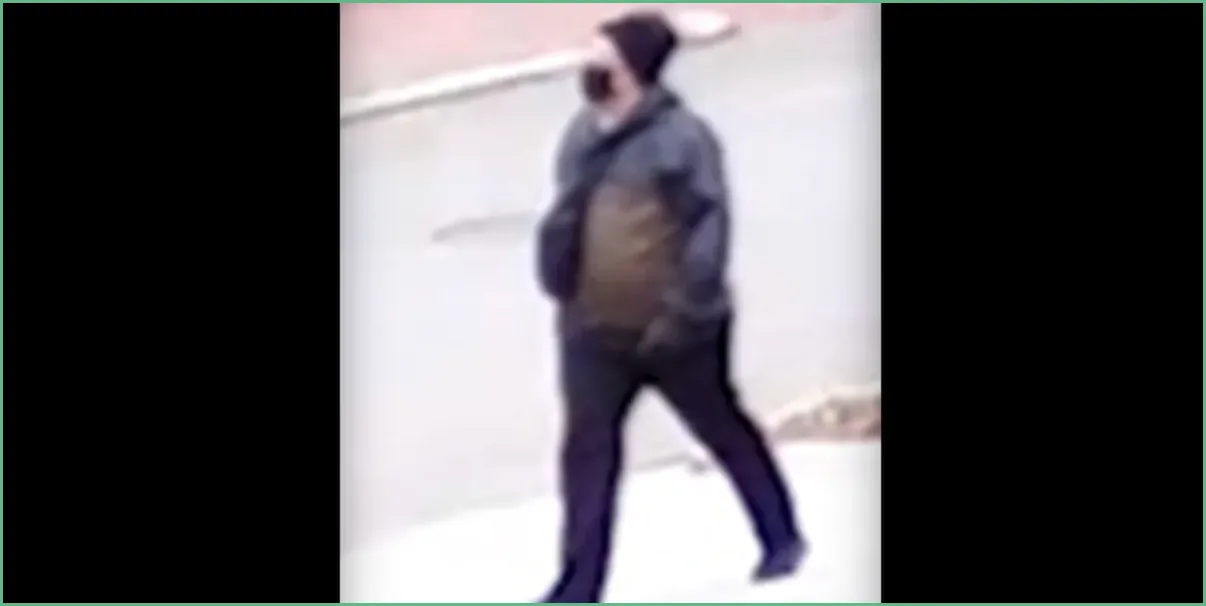
Local authorities say DNA collected from inside the scene may link a suspect to the deadly classroom shooting at Brown University, and still images and video tied to a person of interest match what witnesses described, officials report. Investigation details include protective steps to shield witness accounts, questions about camera coverage, and an early detention of a person later cleared by police.
Providence police leaders confirmed they have DNA taken “from inside” the scene that investigators believe could be used to place someone at the crime once they have a comparison sample. That evidence is being handled as part of a larger inquiry into how the shooter entered and moved through the building that houses the School of Engineering and the physics department.
‘All video imagery has been turned over to law enforcement.’
The shooting happened in a first-floor classroom in the Barus and Holley building, and authorities say two students were killed and nine others were wounded. Officials have been canvassing witnesses and collecting physical evidence while trying to keep investigation details from influencing recollections.
Attorney General Peter Neronha emphasized that DNA is “powerful” evidence because it can either confirm a subject’s identity or exclude people once it’s run through nationwide databases. That combination of physical evidence and witness description is central to the investigators’ plan to build a clear timeline of events inside the building.
Police say images and video of a person of interest line up with what surviving students and eyewitnesses described after the shooting. Investigators are comparing the visual records to the DNA evidence and witness accounts to see whether they point to the same individual.
Neronha said investigators are deliberately limiting what they release about witness statements so those people do not get influenced by outside reporting or commentary. “As we interview witnesses, we don’t want them to learn facts from these press conferences. We want them to relay the facts that they have in their heads, including a person of interest,” Neronha said during a news conference, according to the paper. “We don’t want a person of interest to shape what they’re telling us. … So we’re being careful about the facts that we’re sharing for that reason, so that when we talk to witnesses, what we’re getting is their factual recitation.”
Authorities have struggled to convince members of the public that, despite Brown University’s vast resources, there was no camera working in the Barus & Holley Building that captured the shooter entering the building before opening fire.
Brown Provost Francis Doyle III said the school has 1,200 cameras on campus, including some in the old section of the building where the shooting occurred. But that does not mean the cameras captured an image of the shooter.
University officials told the public that while the campus has hundreds of cameras, not every angle or doorway is covered in a way that produces usable images for investigators. School leaders also said that any recordings relevant to the case have been turned over to law enforcement for review, and campus security is cooperating with the probe.
Police confirmed an earlier weekend detention of a person of interest and said that individual was later found not to be the shooter. That early misidentification highlights the difficulty of sorting through leads in a chaotic aftermath, and it prompted law enforcement to stress caution before naming suspects publicly.
Investigators continue to coordinate reviews of video, still photos, witness statements, and forensic material while they seek a match in databases and compare potential suspects. The goal is to connect the DNA profile to a person of interest or rule individuals out, and officials say they will proceed carefully to preserve the integrity of every witness account.
Campus residents, students, and family members have been told to expect more updates as officials verify details, process evidence, and follow leads that could include nationwide comparisons of DNA or other identifiers. The probe remains active, and authorities say their priority is securing reliable evidence and protecting the people who saw what happened so the legal process can move forward.
