
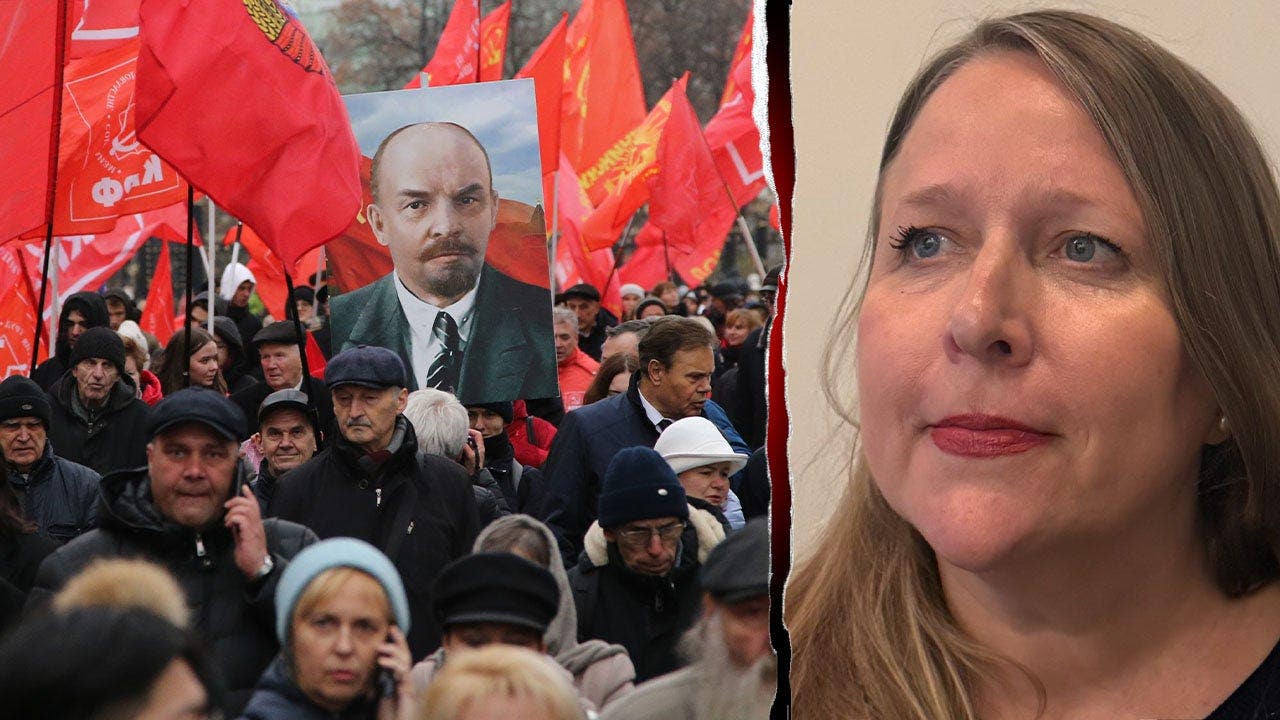
A North Carolina political fight has spilled far beyond campaign signs and Facebook comments, landing a Russian-born conservative activist in criminal trouble over online posts aimed at a local Democratic official. The case now sits at the uneasy crossroads of free speech, personal safety, and how far state harassment laws should reach when politics turns bitter.
Liuba Wofford-Keller, who has made a name for herself backing Republican candidates and criticizing Democratic figures, says she is being punished for speech, not wrongdoing. The charge stems from online exchanges with Lisa Wells, the secretary of the Moore County Democratic Party and a precinct leader in the area.
According to the arrest warrant, Wofford-Keller is accused of using social media in a way that repeatedly annoyed, harassed, or embarrassed Wells. The language in the warrant cites North Carolina law that bars repeated contact meant to abuse, threaten, terrify, harass, or embarrass another person.
Wofford-Keller says that framing is backwards. She argues that the situation looks alarmingly familiar to her because she grew up under the Soviet system and left Russia in 1992 to live in a place where political speech would be protected, not policed.
She says the online friction grew over the course of the year and was tied to political disagreements, not personal threats. The two women reportedly crossed paths in person only twice, both on major election days, while the bulk of their conflict played out online.
That matters because the charge hinges on those digital exchanges. Wofford-Keller says the posts were part of a heated back-and-forth that should have stayed in the realm of political debate, while the warrant treats the same behavior as criminal conduct.
The activist has been blunt about what the case means to her. She says freedom of speech is the whole point of America, and that a government deciding what can and cannot be said starts to look a lot like the system she escaped.
Wells sees it differently. She says she gathered months of screenshots and other electronic records before a magistrate found probable cause and issued criminal process, and she insists the issue was never party politics but a pattern that made her feel unsafe.
Her response tries to draw a line between sharp political disagreement and conduct she says crossed into something more unsettling. In her telling, the concern was not criticism or debate, but a steady stream of behavior that felt personal and persistent.
Wofford-Keller disputes that characterization and says Wells also posted about her during the same period. She describes the conflict as a very limited personal relationship blown into something larger by politics, social media, and a legal system that she believes got involved too quickly.
Wells also sought a protective order, saying Wofford-Keller’s online activity included references to where she lived and her role in local party politics. She says some gun-related posts, though not aimed directly at her, added to her fear that the situation could escalate.
That protective order has not yet had a hearing, leaving another piece of the dispute unresolved. For now, the criminal charge is the center of the storm, and both women are standing their ground with very different stories about what happened.
Wofford-Keller says she has no criminal history and works in contract language services that require a security clearance, which is part of why she says the accusation feels so off-base. She argues that Wells is twisting ordinary political expression into something sinister, especially because of her pro-gun posts and blunt criticism of Democrats.
Wells, though, says the issue is not ideology. In her view, political differences are part of daily life, but repeated conduct that feels threatening is something else entirely, and she turned to the magistrate only after documenting what she saw.
The sheriff’s office has said it was only carrying out the magistrate’s warrant and was not the agency investigating the alleged offense. That leaves the broader fight exactly where it started, with one woman insisting this is censorship and the other insisting it is accountability.

1 Comment
Public figures have been targets of criticism by the very nature of their job and the public has every right to make those criticisms. If the Democrat Lisa Wells didn’t like the criticism, don’t make them interactions: don’t respond to them, don’t answer them, don’t read them because in doing so she’s keeping it going as much as Liuba Wofford-Keller is.