
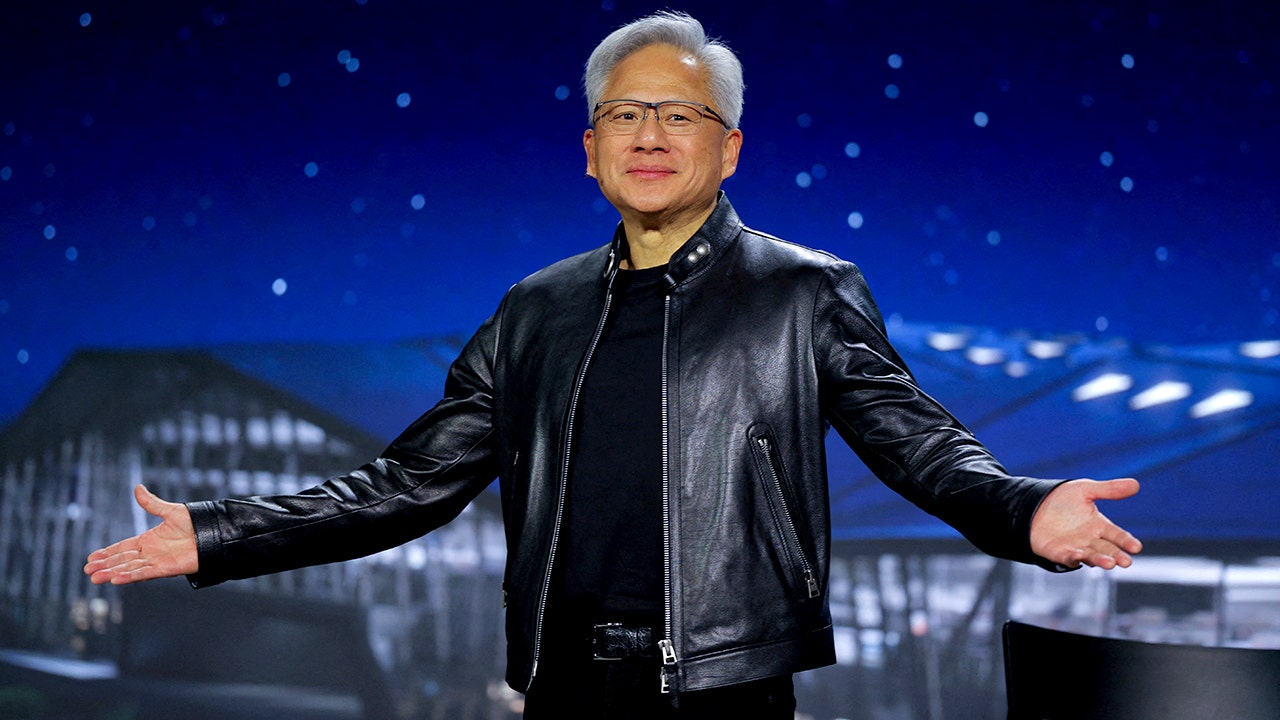
Nvidia’s sudden leadership reversal sent shockwaves through markets, with Jensen Huang back at the helm and investors breathing a lot easier. The move wiped out a major cloud hanging over the chipmaker, and Wall Street quickly responded with a sharp rally as traders reassessed the risk around the company, its AI role, and the broader tech trade.
The board’s decision came after Huang stepped down earlier in the month following reports about his personal conduct, a move that had initially looked final. Last week, directors were signaling they would move ahead without him, but that changed after a series of meetings that apparently gave them confidence in his honesty and ability to lead the company forward.
What made the reversal even more striking was the board’s claim that it had heard from senior levels of the U.S. government and came away convinced Huang’s return would not create a national security issue. That detail mattered because Nvidia sits at the center of the AI boom, where chip sales, export rules, and geopolitical tension can move billions of dollars in market value in a heartbeat.
Investors wasted no time reacting. Nvidia stock jumped roughly 34% in morning trading to about $168, bouncing hard from a recent low near $125.53, while the broader market also pushed higher, with the S&P 500, Dow Jones Industrial Average, and Nasdaq Composite all posting solid gains.
Analysts saw the board’s move as less about sentiment and more about cold math. One market watcher argued that a founder-less Nvidia heading into the Rubin cycle, while still searching for a permanent CEO, would have been a bigger danger than reversing course and bringing back the company’s best-known leader.
That view is not hard to understand. Huang is not just a figurehead, and Nvidia is not just any chip company. His relationships with suppliers like TSMC, his grip on the roadmap with major cloud customers, and his ability to keep the AI ecosystem moving all make him a hard act to replace.
Some analysts think that is exactly why the board swallowed its pride. The company needed stability more than it needed a clean break, and the timing could not have been more sensitive with AI demand still running hot and investors already nervous about valuations, margins, and the next leg of the chip cycle.
Even with the upbeat reaction, not everyone is treating the problem as fully solved. The reinstatement may have removed the biggest overhang on the stock, but it did not erase the questions around governance, succession planning, and the board’s handling of the entire episode.
There are still unresolved issues tied to investigations, government scrutiny, and export concerns. Those matters matter because Nvidia’s reach stretches far beyond Silicon Valley, and any hint of trouble around overseas sales or compliance can ripple through the stock and the entire semiconductor sector.
For many investors, though, the message was simple enough: Huang’s return means Nvidia still has the leader people associate with its rise. His management style is bold, technical, and highly personal, and that kind of presence can matter just as much as a balance sheet when a company is trying to stay ahead in a cutthroat industry.
There is also the market psychology angle, which has been brutal for anyone trying to trade AI names over the last stretch. When uncertainty piles up fast, even strong companies can get hit hard, and Nvidia had been taking on water as traders wondered whether the drama around its CEO would spill into the company’s long-term outlook.
Now the tone has flipped, at least for the moment. The rebound shows how quickly confidence can snap back when the market believes the old playbook is still in place, and Nvidia’s next moves will be watched just as closely as the last few weeks of chaos that put the entire AI trade on edge.
