
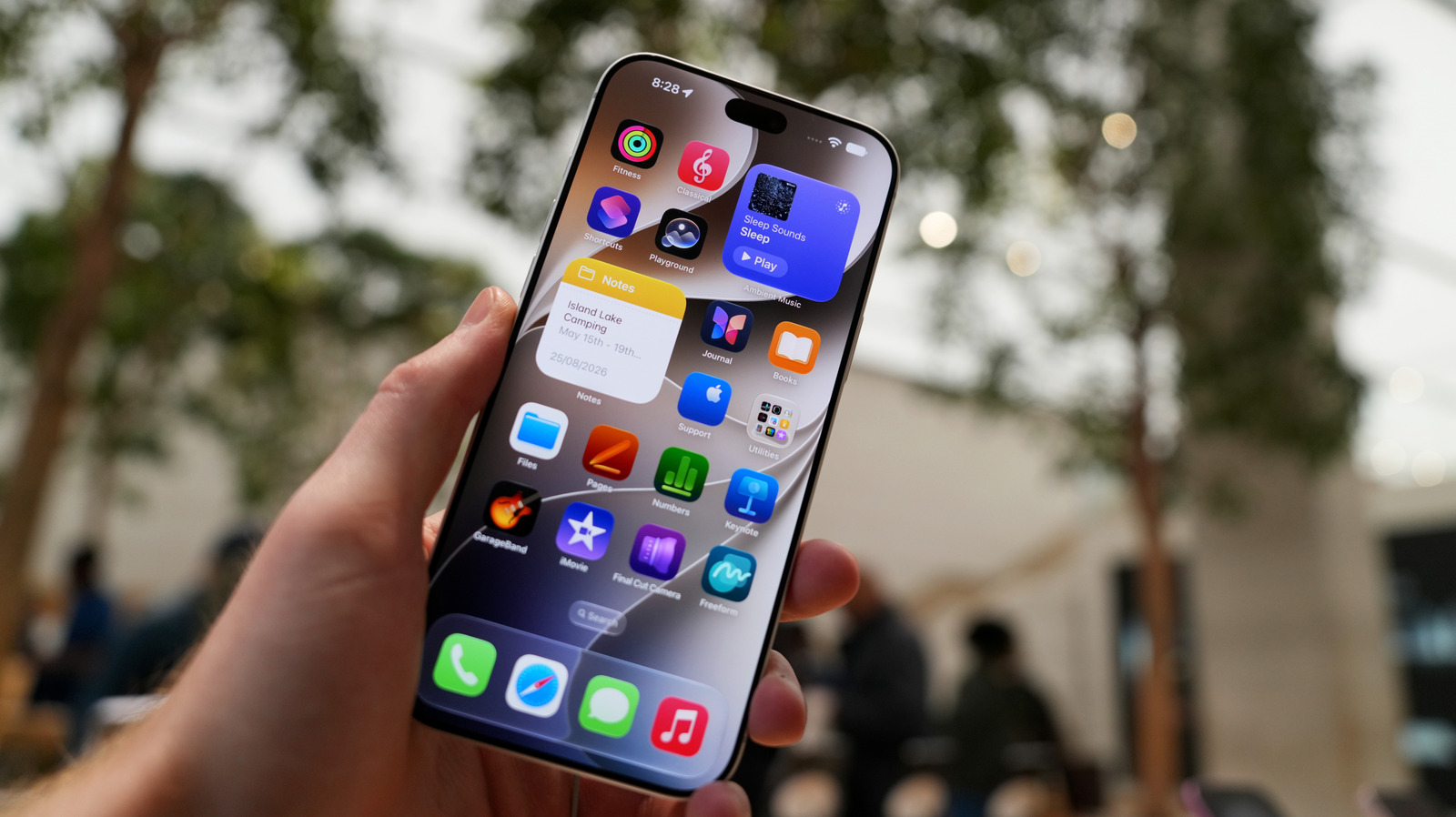
Big-name phones keep getting pricier, but price alone does not decide value. The iPhone 18 Pro is loaded with premium hardware, polished software, and a strong camera setup, yet several Android phones deliver a more interesting mix of features for less money. From near-flagship power to budget-friendly all-rounders, these picks show how Android can still make a convincing case.
Samsung’s Galaxy S26 lands closest to the iPhone 18 Pro in overall feel, and that is exactly why it stands out. With a Snapdragon 8 Elite Gen 5 for Galaxy chip, 12GB of RAM, and 256GB of storage, it is built for heavy gaming, fast multitasking, and AI features without slowing down. The 6.3-inch Dynamic AMOLED 2X display with a 120Hz refresh rate keeps everything smooth, while the triple-camera setup gives plenty of room to shoot wide scenes, portraits, and zoomed subjects.
What really helps the Galaxy S26 is how complete it feels from top to bottom. One UI 9.0 adds its own personality, and the adaptive clock feature gives the phone a bit of visual flair that echoes the iPhone’s attention to detail. It is still expensive at $1,000, but for buyers who want a premium Android without going all the way to Apple pricing, it makes a strong argument.
Google’s Pixel 11 Pro takes a different path, leaning hard into display quality, camera software, and accessory support. Its 6.3-inch Super Actua OLED panel runs at 120Hz and can hit 3,600 nits of brightness, which makes it easy to use in harsh light and especially nice for media. LTPO tech also helps balance performance and battery efficiency, so the screen is not just flashy, it is smart.
The Pixel 11 Pro also has a clear edge on the selfie side thanks to a 42MP front camera with autofocus and a wide 103-degree field of view. That makes it especially good for sharp self-portraits and group shots, while Google’s Real Tone software helps keep skin tones looking natural. Add in Pixelsnap accessories with Qi2 wireless charging support, and the phone starts to feel like a thoughtful, well-rounded package rather than just another pricey flagship.
Foldables usually belong in the luxury lane, but the 2026 Motorola Razr+ offers a more practical twist on the idea. Its 6.9-inch inner display is larger than the iPhone 18 Pro’s screen and runs at a blazing 165Hz, while the four-inch outer display lets people answer messages, check alerts, and even snap selfies without opening the phone. That kind of flexibility changes how a phone gets used day to day.
Motorola also puts real effort into durability and battery life here. The titanium hinge, Gorilla Glass Victus on the cover display, and IP48 resistance rating give the Razr+ more toughness than many foldables get, and the 4,500mAh battery is rated for over 31 hours. It does give up some ground in pure performance and camera zoom, but the tradeoff makes sense for anyone who values the foldable experience.
The 2025 Motorola Edge is the bargain pick that still feels premium in all the right places. At $550, it costs less than half of the iPhone 18 Pro, yet it brings a Dimensity 7400 processor, 8GB of RAM, and 256GB of storage, which is more than enough for everyday use and light gaming. Its 6.7-inch pOLED display refreshes at 120Hz and can reach an eye-catching 4,500 nits, making it easier to see outdoors than Apple’s flagship in some situations.
Camera hardware is solid too, with a 50MP main lens, 50MP ultrawide, and 10MP telephoto on the back. The iPhone still wins on overall image quality, but the Edge gives users a lot of photographic flexibility for far less cash. Choosing the 2025 model over the newer version also makes sense because it keeps the higher storage tier while staying friendlier to the wallet.
Google’s Pixel 10a rounds out the group as the most affordable option here, starting at just $500. Even at that price, it still brings a 6.3-inch pOLED screen with a 120Hz refresh rate and 3,000 nits of brightness, plus a 5,100mAh battery that is rated for more than 30 hours of use. The flat back and clean camera layout give it a polished look that does not scream budget phone.
Where the Pixel 10a really separates itself is software. Gemini Live, Circle to Search, and Call Screen give it tools that feel useful instead of gimmicky, and regular Pixel Drops keep the phone fresh after launch. It is not built to outrun the iPhone 18 Pro in raw performance or camera depth, but for buyers who want smart features, strong battery life, and a lower price, it lands in a very appealing spot.
