
- Consumer Reports and paint-related reliability complaints
- Factory defects versus owner-related paint damage
- Ford Explorer and Mustang aluminum hood issues
- White Hyundai models and widespread peeling paint
- Toyota Tundra cracking paint concerns
- GM full-size SUV fading and delamination problems
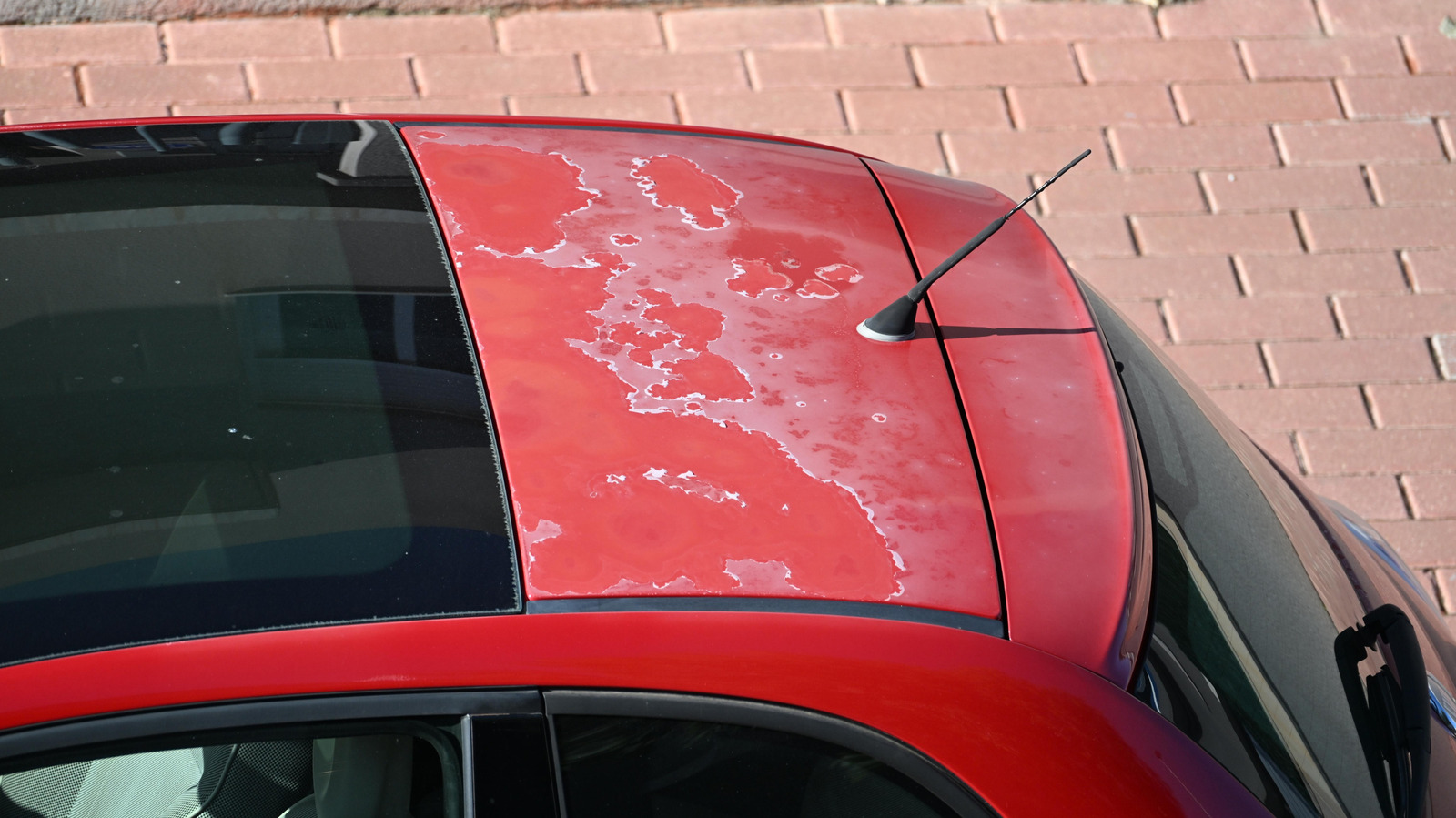
Not every used-car headache starts under the hood. Some of the most frustrating defects show up where everyone can see them first, in the paint, and a vehicle that still runs well can still feel tired, cheap, or badly built when the finish starts peeling, bubbling, or fading early. Consumer Reports has tracked those complaints for years, and the pattern points to a handful of popular used models that keep showing up for the wrong reason.
Paint trouble can come from a lot of places. Weather, road salt, poor washing habits, and sun exposure can all beat up a finish, but some vehicles seem to leave the factory with weak paint systems or bad panel prep that makes the problem show up much sooner than it should. In more than a few cases, the issue has become serious enough for technical service bulletins, warranty extensions, and even lawsuits.
The 2016 Ford Explorer is one of the clearest examples. Consumer Reports flagged it, but the problem stretches across several model years, with bubbling and blistering often showing up on the hood. That matters because the Explorer of this era uses an aluminum hood, and Ford has dealt with enough corrosion and bubbling complaints to issue service guidance and face legal pressure from owners who were tired of watching the finish fail.
Ford ran into a similar mess with the Mustang. The 2020 model year made the list, but the hood-paint problem reaches back through many Mustang builds from the 2010s and even earlier, with bubbling often appearing at the edge of the hood. Aluminum construction is part of the story again, and the complaints suggest a poor bond between the paint and the panel that leaves the surface vulnerable to corrosion and flaking.
Hyundai’s white-painted models tell a different but equally annoying story. Consumer Reports called out the 2014 to 2018 Sonata and the 2014 to 2019 Elantra, especially in white, where peeling paint became a recurring complaint. The issue turned out to be broad enough that Hyundai expanded warranty coverage on a number of white vehicles and paid for repaint work on affected cars that qualified, which is never a great sign for a finish that is supposed to last years without drama.
There is also the 2022 Toyota Tundra, a truck that entered the market with plenty of hype but quickly found itself dealing with more than one quality concern. Along with well-publicized engine-related trouble, owners have reported cracking paint on the bed, roof panels, and roof channels, sometimes very early in the truck’s life. That is rough territory for a nameplate built on durability, because buyers expect a full-size pickup to take abuse without losing its skin.
GM’s full-size SUVs round out the list with the 2016 Chevrolet Suburban and GMC Yukon XL, both cited for premature fading. The problem does not seem limited to those two models either, since later complaints and lawsuits have pointed to cracking, fading, and delamination across other large GM SUVs from the same general era. When paint starts failing on a big family hauler, it can make an otherwise solid vehicle look neglected before the odometer has even climbed that high.
That is the sneaky part of paint problems. They do not always leave a car stranded, but they hit resale value, owner pride, and long-term trust in a brand all at once. A used vehicle can have a strong engine and a decent interior, yet still feel like a gamble if the clear coat is lifting or the hood is bubbling like it belongs to a much older truck.
