
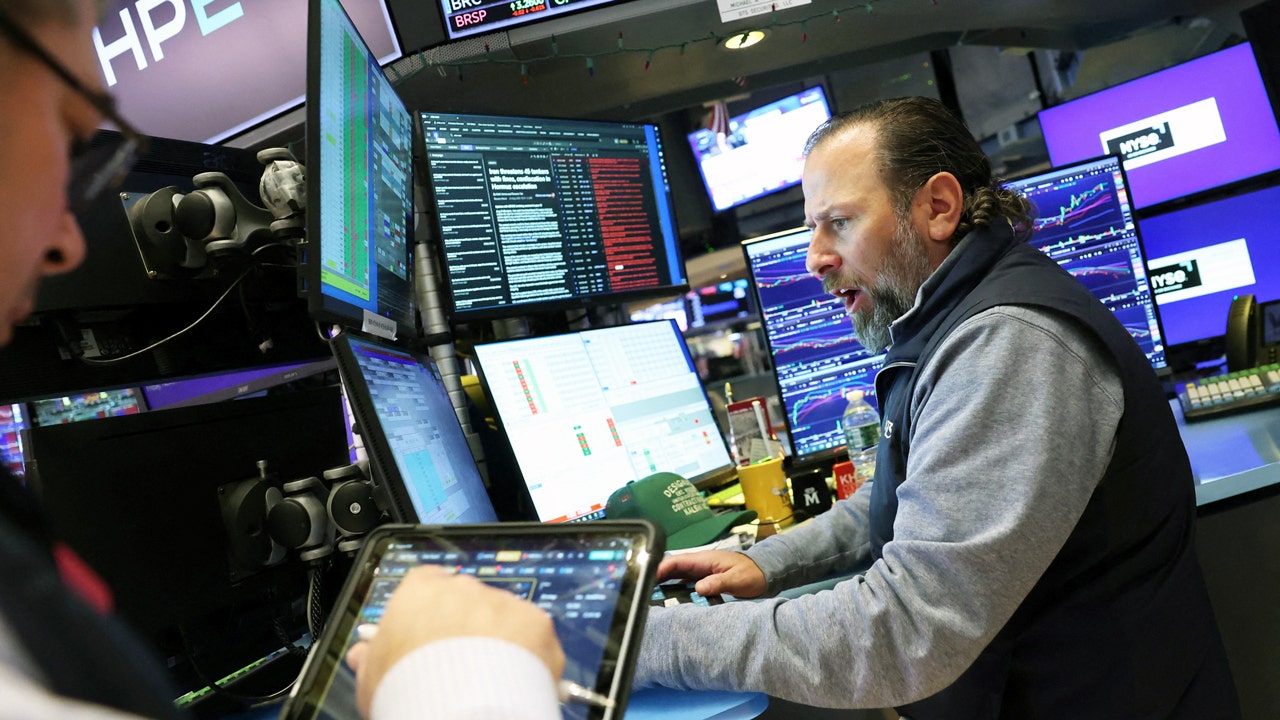
Wall Street got hammered in a major tech-driven rout, with the sell-off heavy enough to shove the Dow and S&P 500 into correction territory and wipe out the Nasdaq’s year-to-date gains. The damage centered on artificial intelligence names, where sky-high expectations finally ran into a wave of nervous selling and sour market sentiment.
U.S. stocks sank hard Friday in one of the ugliest sessions in recent memory. The Dow Jones Industrial Average dropped nearly 950 points, the S&P 500 slid 3.7%, and the Nasdaq Composite plunged 5.28%, a move that hit tech investors right where it hurts.
That drop put both the Dow and the S&P 500 into correction territory, which means each had fallen at least 10% from its recent peak. The Nasdaq’s slide was even more painful because it erased the year’s gains and marked one of the index’s biggest single-day point losses ever.
The pressure was strongest in technology, where traders rushed for the exits almost all at once. Nvidia took a brutal hit, tumbling roughly 14%, while Anthropic, fresh off a high-profile public debut, fell about 9% as the appetite for AI stocks suddenly looked a lot less fearless.
Even strong earnings from Nvidia did little to calm nerves. Instead, the market fixated on whether the AI frenzy had pushed valuations too far, too fast, with investors now asking whether the sector’s huge spending plans can keep justifying the stratospheric prices attached to it.
The mood on Wall Street had already been getting shaky, and Friday turned that unease into a full-blown stampede. Reports of tech problems at major firms added fuel to the fire, and the anxiety spread across the market like dry brush catching a spark.
That broader fear helped turn what might have been a rough tech session into a marketwide jolt. The selling was not just about a few beaten-down names, it was about trust, momentum, and the growing sense that some of the market’s hottest trades had become too crowded for comfort.
The week as a whole ended badly, too. The S&P 500 posted its worst weekly percentage decline since April 2025, the Nasdaq logged its steepest weekly percentage loss since March 2020, and the Dow recorded its sharpest weekly drop since April 2025.
The S&P 500 also closed lower for a seventh straight session, its longest losing streak since February 2020. That kind of stretch does not happen by accident, and it sent a clear message that investors were reaching for the brakes after a long run of enthusiasm.
As stocks broke lower, the market’s fear gauge jumped, with the VIX finishing at its highest level since April 2025. Gold moved higher at the same time, a classic sign that money was rotating away from risk and into safer ground.
There was a hard edge to the entire session, with the kind of action that can change the tone of a market in a hurry. When the biggest tech names start sliding this fast, traders tend to notice, and Friday made clear that the AI trade is no longer cruising on easy confidence.
