
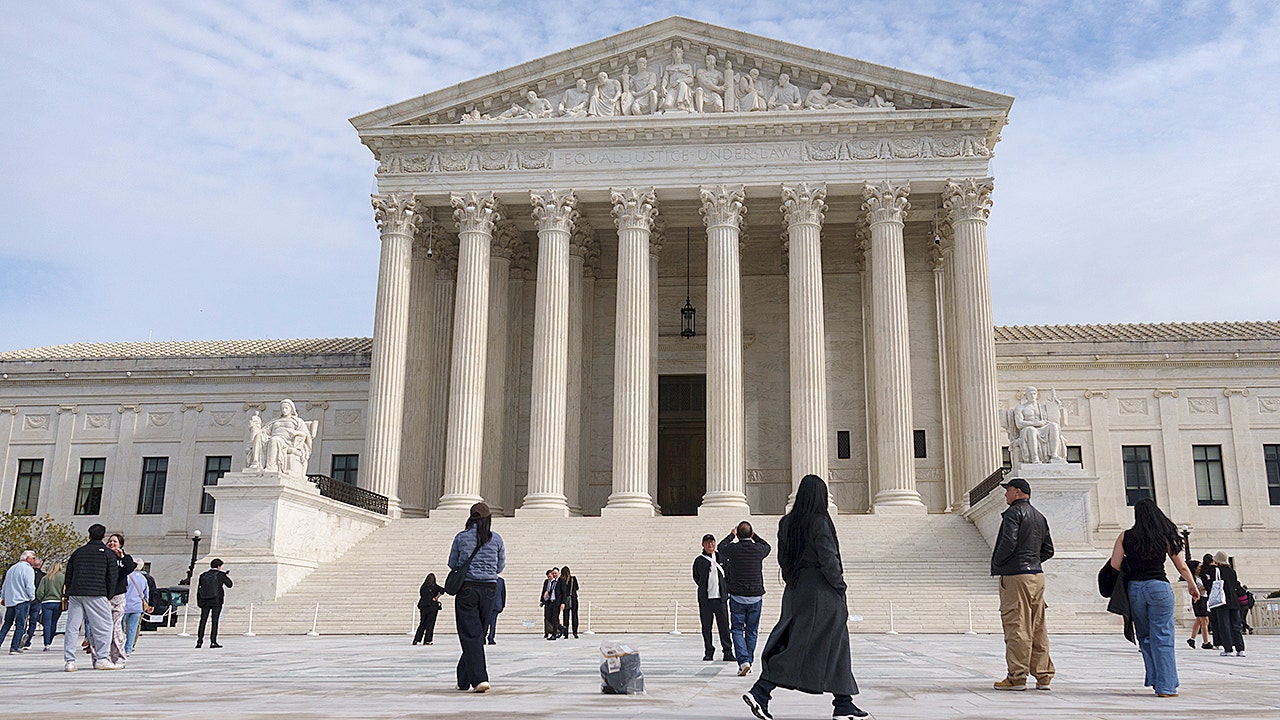
Peter Navarro’s latest Supreme Court fight has put a sharp question back on the table: how much room should there be for sincere belief when Congress says a subpoena has to be obeyed? His legal team says the current setup turns witness disputes into a criminal trap, while critics see a necessary line against defiance. The case now sits at the crossroads of executive privilege, contempt power, and the growing anger around subpoena battles that spill into prison time.
Navarro, once a senior trade adviser to President Donald Trump and now serving as senior counselor for trade and manufacturing, was convicted in 2023 on two contempt of Congress counts. The charges came after he refused to hand over testimony and documents to the House Jan. 6 committee, saying he thought executive privilege protected him. He already served four months behind bars, and his lawyers are pushing the justices to wipe out the conviction and rewrite the standard that made it stick.
The heart of the argument is simple enough to sting. Navarro’s side says a person should not be sent to prison unless prosecutors prove he knowingly broke the law, not just that he got the privilege question wrong. If the Supreme Court agrees, it could raise the bar for contempt cases tied to congressional subpoenas and make them much tougher to prove.
Lower courts were not impressed with Navarro’s defense. U.S. District Judge Amit Mehta ruled that Navarro failed to show Trump had actually invoked executive privilege for the subpoena, which cut off that line of defense at trial. Then the D.C. Circuit said federal law is violated when someone refuses to comply even if he subjectively and mistakenly believed his conduct was legal.
The appeals panel also made clear that executive privilege is not something a witness can simply claim on his own. According to the court, only the president can invoke that protection under Article II, and Trump never gave Navarro that cover. In the judges’ view, letting a defendant just say privilege existed would blur separation-of-powers lines and hand too much power to the witness’s own version of events.
Navarro’s lawyers say that reading stretches the statute too far and ignores older Supreme Court precedent. They point to United States v. Murdock, a 1933 decision that treated the word “willfully” as carrying real weight and allowed a mistaken but sincere belief about constitutional rights to matter in a criminal case. That argument is doing a lot of work here, because if the justices buy it, it could ripple far beyond one Trump official’s case.
Abhishek Kambli, Navarro’s attorney, has framed the case as more than a narrow legal dispute. He says Congress and the Jan. 6 committee skipped the usual back-and-forth that often settles executive branch subpoena fights, and instead jumped straight to prosecution. In his telling, that shortcut made the subpoena process feel less like oversight and more like a weapon.
That word keeps coming up for a reason. Kambli says requiring proof of the right mental state would help cool what he calls the weaponization of congressional subpoenas, especially when political control of Congress shifts. He argues that if prosecutors have to show a defendant knew he was breaking the law, contempt cases would be harder to bring and less attractive as a political bludgeon.
Conservative lawyer Mike Davis pushed the same theme even harder, saying Democrats turned Congress into a machine for punishing Trump allies. He argued that the D.C. Circuit’s approach makes every subpoena a possible criminal trap and tears up generations of negotiation between branches that are supposed to check each other without defaulting to jail. That complaint is likely to resonate with Republicans who have watched subpoena fights turn nastier by the year.
The timing is tense too. Democrats are expected to take control of Congress in January 2027 after their 2026 midterm wins, and some party figures are already talking openly about investigations into Trump officials. House Oversight ranking member Robert Garcia posted a blunt “LAWYER UP.” on X, while Sen. Elissa Slotkin called for scrutiny of alleged corruption and suggested it could send a warning to younger people thinking about serving in a Trump administration.
This case also lands after the Supreme Court vacated Steve Bannon’s contempt ruling and sent it back for more proceedings. Bannon served four months in prison after his own refusal to comply with a Jan. 6 committee subpoena, so Navarro’s petition is arriving in a moment when the court is already circling similar fights. If the justices decide the standard is too loose, a lot of Washington’s favorite hardball tactics could start looking a lot less safe.
