
Airport security is back in the spotlight after a tense congressional exchange over the TSA’s shoes-on policy. The clash centered on whether the Department of Homeland Security has done enough to answer a classified inspector general warning, and whether travelers are being kept safe while lines move faster.
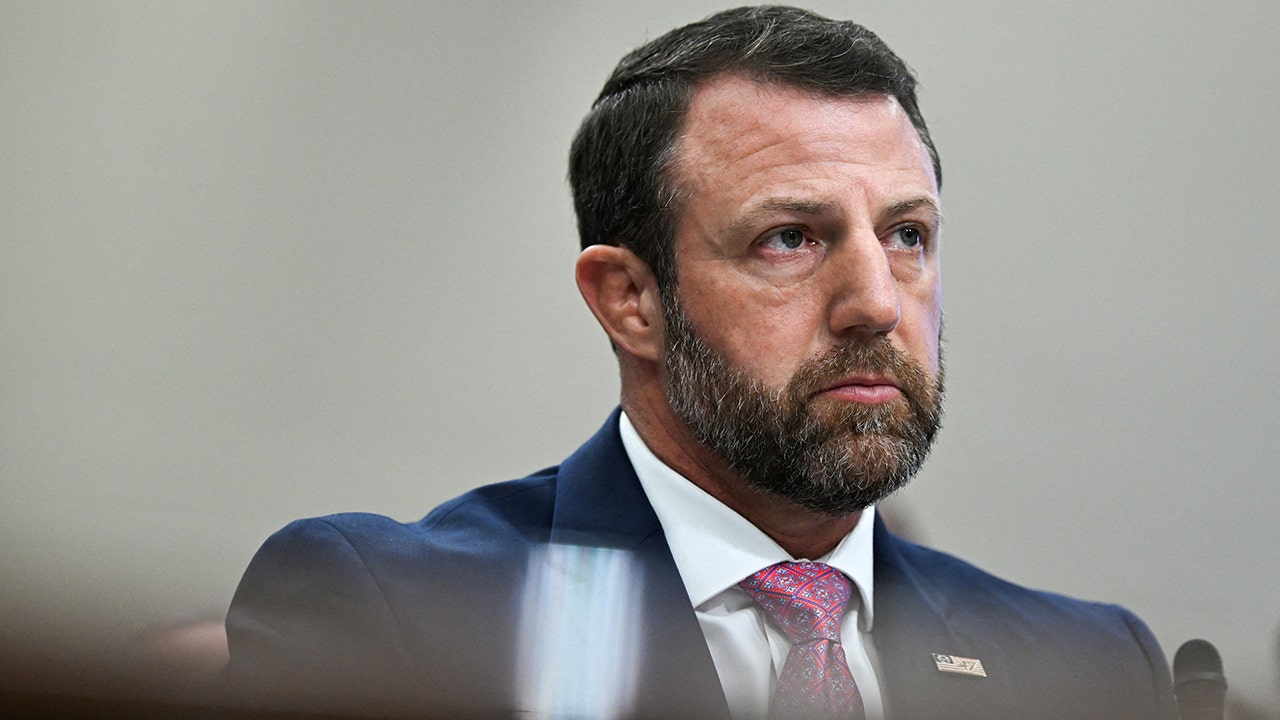
Markwayne Mullin stood by the policy, telling lawmakers that DHS has been watching screening technology closely and believes the current setup does not put passengers in danger. He also said the department has already dealt with most of the concerns raised in the watchdog review, though he stopped short of laying out the details in public.
Rep. Eli Crane, R-Ariz., pushed back after receiving what he described as a “very concerning” classified briefing. His comments added fresh pressure to a policy that has already drawn attention since the Biden-era shift that allowed travelers to keep their shoes on at routine checkpoints.
Mullin told Crane, “We have never put anyone at risk at all,” during the House Homeland Security Committee hearing. He added that he had met with Inspector General Joseph Cuffari in a secure setting and said the department had addressed three of the four issues flagged by the watchdog.
What remained unclear was the fourth concern and whether it had anything to do with real security risk. Mullin said it did not, at least in his view, but he did not go into specifics, and that left lawmakers with more questions than answers.
The policy itself traces back to July 2025, when then-Homeland Security Secretary Kristi Noem ended the routine requirement that travelers remove their shoes at TSA checkpoints nationwide. The change was sold as a way to speed up screening, with officials arguing that improved technology could preserve safety without the old hassle.
Even then, TSA officers kept the option to order shoe removal for extra screening. That detail matters, because it shows the policy was never a total free-for-all, just a broader loosening of a rule millions of travelers had come to dread.
But the watchdog warning came fast. Within weeks of the change, the inspector general sent DHS and TSA leaders a formal alert about a possible screening weakness, which raised eyebrows on Capitol Hill and in security circles alike.
The final classified report from the inspector general landed on Nov. 1, 2025, and the paperwork trail suggested the issue was still hanging around months later. In a March memo cited by lawmakers, Cuffari said his office was waiting for the agencies’ formal response long after the 90-day deadline had passed.
Crane said the briefing he received made the matter sound serious enough to warrant a private discussion, not just a public back-and-forth at the hearing. That kind of reaction tends to keep the pressure on, especially when airport security is involved and nobody wants to look soft on a real threat.
The Senate record shows the debate kept rolling after that. Sen. Maria Cantwell, D-Wash., asked TSA in April to reverse the policy until the screening weakness was fixed, but TSA later said its risk assessments found no direct, credible threat tied to shoes.
That response did not exactly settle the issue. Mullin’s testimony left open a key question that still hangs over the policy: whether DHS’s fixes have actually won over the inspector general, or whether the agency is simply betting that the new approach holds up under pressure at the checkpoint.
