
Here’s the shape of the story:
- Alaska’s Senate race flips into the Democratic column
- Mary Peltola edges out Dan Sullivan in a tight finish
- National Senate control shifts with the result
- The “decoy Dan” ballot fight hangs over the race
- Ranked-choice voting stays front and center
- Alaska’s unusual political terrain keeps mattering
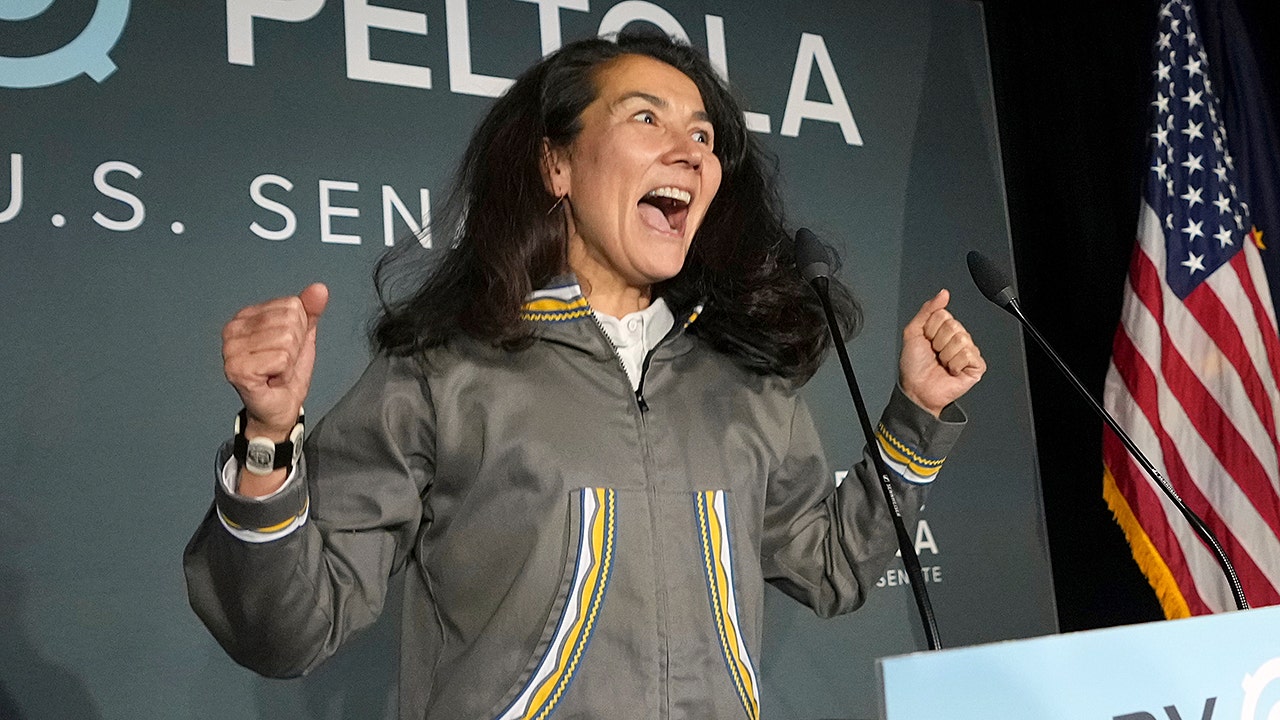
Alaska’s Senate race ended with a jolt, as former Democratic Rep. Mary Peltola narrowly toppled Republican Sen. Dan Sullivan and sent another GOP-held seat packing. The result gave Democrats a 56-44 edge in the Senate and put a loud spotlight on a state that always seems to find its own way into the center of the political storm.
Peltola’s win came after a race that stayed tight all the way through counting. She finished with 50.1% of the vote, enough to avoid a ranked-choice runoff and lock in a rare pickup for Democrats in a state that Donald Trump carried in 2024 by a wide margin.
In her post-election remarks, Peltola struck a populist note and leaned into the idea of change. She told supporters that Alaskans had chosen a different direction and said the state was ready to move past politicians who put themselves first.
The campaign, though, was never just about the vote total. It was shadowed by a bizarre late-cycle uproar over a second candidate named Dan Sullivan, a development that quickly became one of the strangest side stories of the entire midterm season.
That controversy blew up when reporting revealed an alleged effort tied to Democratic operatives and campaign figures to recruit a name-match candidate who could create confusion on the ballot. The idea was simple and ugly: if enough voters got tripped up, the Republican incumbent could lose support in a race where every sliver mattered.
Republicans blasted the maneuver as a gimmick, and Alaska Gov. Michael Dunleavy ordered an investigation into whether the effort crossed legal lines. The episode gave the race a messy edge and fed the broader sense that Alaska’s election system had become a battlefield all its own.
Ranked-choice voting only added to the drama. Under that setup, voters rank candidates in order of preference, and if no one clears a majority on the first pass, the weakest candidate gets knocked out and ballots get redistributed until someone comes out on top.
That system has already shaped Peltola’s political rise. She first made history in 2022 as the first Alaska Native elected to Congress, then went on to win a full term before falling in 2024, only to reemerge in this Senate race with enough momentum to pull off another upset.
Sullivan, meanwhile, entered the race with plenty of Washington experience and a record he hoped would carry him through. A Marine Corps veteran and former state attorney general, he had held the seat since 2014 and pitched himself as a steady hand on national security and Alaska energy.
The stakes were obvious from the start. Republicans were trying to hold a seat in territory that still leans independent and unpredictable, while Democrats saw a chance to pry loose a red-state seat in a year that was already shaping up to be full of surprises.
That uncertainty is part of what makes Alaska such a headache for both parties. It can reward local credibility, punish sloppy campaigns, and turn a quirky procedural system into a national headline in a matter of days.
Peltola’s return to the spotlight also carried a familiar sense of reinvention. After losing her House seat in 2024, she came back into the fray and found a race that gave her room to connect with voters who were tired of the usual partisan script.
For Sullivan, the loss lands hard because it came in a state he once helped define politically. For Democrats, the pickup is bigger than one seat, because it strengthens their grip on the chamber and keeps Alaska firmly in the conversation every time control of Congress is on the line.
