
The recent round of outages across government, banking, aviation, and cloud services looked ugly, but they were not proof of a coordinated strike. They did expose something just as troubling: how many of America’s most important systems sit on thin ice, one bad update or overloaded network away from chaos.
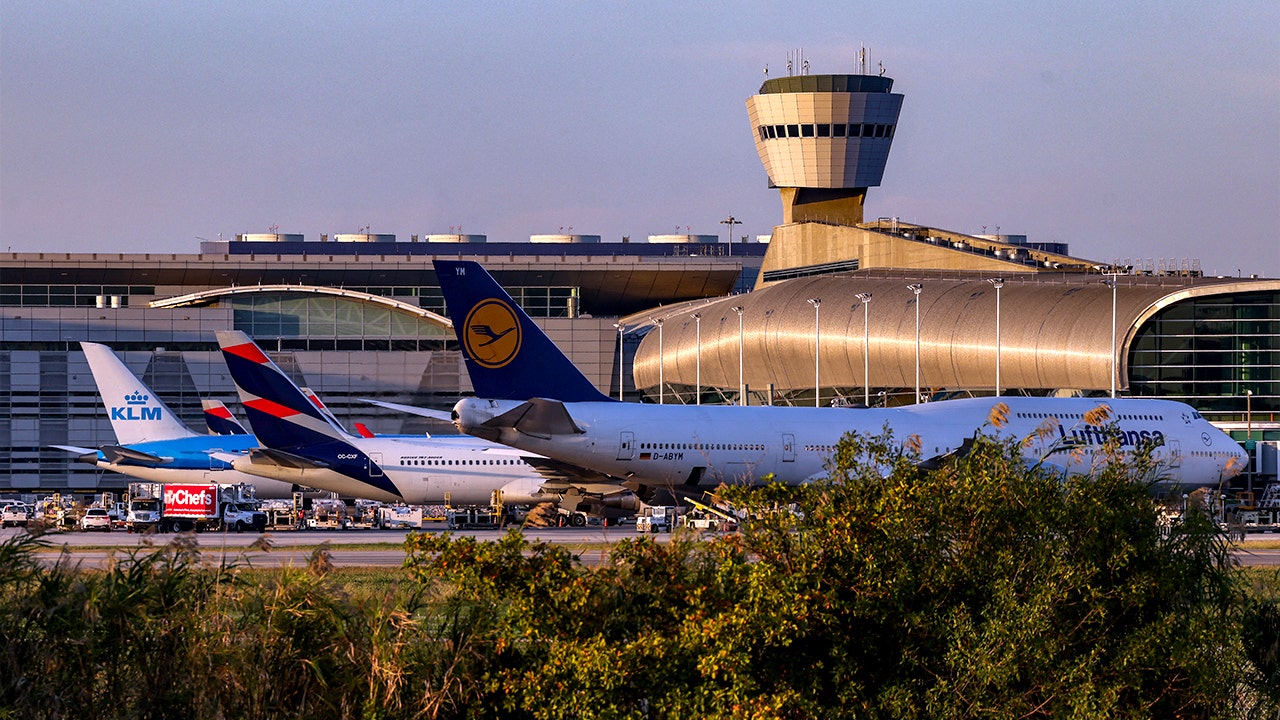
That is what made the week feel so jarring. Microsoft 365 stuttered, the FAA had to halt flights after router trouble strained aging air traffic control systems, banks saw slowdowns, airlines dealt with internal failures, and the NSA even reported a temporary disruption during maintenance. Officials have said these incidents appear unrelated, and the evidence points more toward technical fragility than sabotage.
Still, the timing hit a nerve because people are built to connect dots. A bunch of failures in a short span naturally raises the alarm, especially when so much of daily life depends on software, cloud platforms, and tightly linked infrastructure that was never designed to absorb every shock at once.
The real danger is not that every outage means war. It is that a future adversary could turn a messy technical landscape into a weapon, hitting the very places where Americans expect the lights to stay on and the systems to work. If a hostile power wanted to create true damage, the goal would not be scattered inconvenience but a cascading failure that takes down power, water, banking, communications, and transportation in one ugly blast.
That is why cyber and infrastructure security cannot be treated like background noise. China, in particular, has spent years probing critical systems, and campaigns tied to groups like Volt Typhoon and Salt Typhoon show how access can be planted early and used later when the stakes are highest. One set of intrusions aims to break things, while another digs in to watch, collect, and map the nation’s digital nervous system.
Iran, North Korea, and other hostile actors also have the ability to create real headaches, whether through sabotage, theft, or gray-zone attacks that stay just below the threshold of open conflict. Food storage systems, water facilities, and military logistics have all been targeted in ways that prove how much damage can be done without a conventional battlefield. These operations are attractive because they are cheap, deniable, and disruptive in exactly the wrong places.
Even closer to home, the border and cartel threat has forced more attention on drones, surveillance, and hardening vital assets. Mexican security forces have expanded their drone fleets, while U.S. officials are increasingly forced to think about refineries, border facilities, and the grid as potential targets, not abstract talking points. That shift matters because modern conflict does not always announce itself with missiles and marching troops.
The good news is that the country is not standing still. Federal agencies, state leaders, and private industry are finally treating resilience as more than a buzzword, with more focus on counter-drone tools, domestic manufacturing, and rebuilding supply chains that were allowed to drift overseas for too long. The push is also showing up in places like transformer production, where old equipment and long import timelines have become a serious weak spot.
That transformer issue is a perfect example of why this conversation matters. These massive units are the backbone of the electric grid, but many are old, slow to replace, and often sourced from abroad, leaving the country exposed if a crisis hits. Meanwhile, demand keeps rising from data centers, electric vehicles, and industrial growth, which only makes the bottleneck more dangerous.
American companies are starting to answer that challenge by building at home and moving faster. New manufacturers are trying to cut lead times from years to months, and the engineers driving those efforts understand something simple: resilience is not about slogans, it is about replacement speed, redundancy, and keeping critical systems from collapsing under pressure.
That is also why ordinary preparedness still matters. A little cash, some water, basic food stores, a radio, and a backup power source are not signs of paranoia. They are just common sense in a country where too many essential systems are tied together by software, supply chains, and hardware that can fail at the worst possible moment.
