
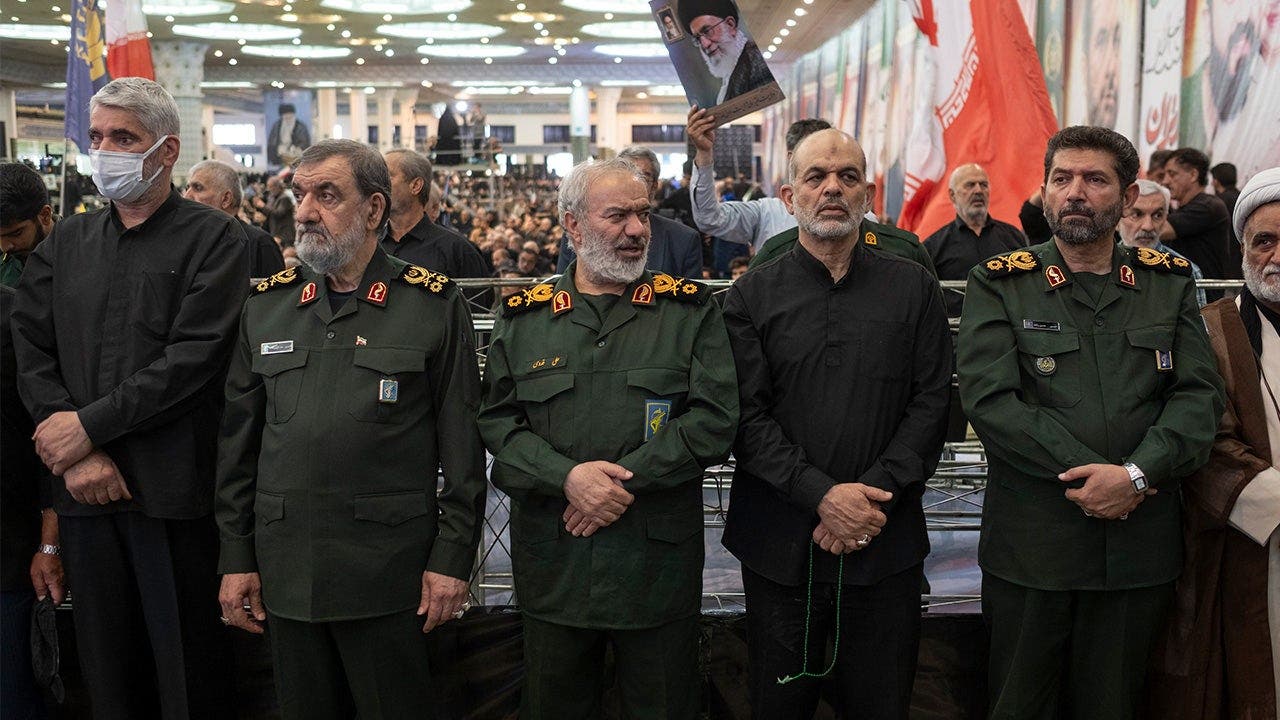
Iran’s threat profile has once again landed in the spotlight, and this time the buzz centered on a reported dirty bomb plot aimed at Washington. A senior U.S. official brushed back the new alarm, saying the idea was nothing fresh and warning that Tehran would be taking a reckless path if it ever tried to strike American soil. The message from the White House side was just as blunt: watch closely, stay ready, and do not mistake restraint for weakness.
The concern is not coming out of nowhere. For years, U.S. officials have tracked Iran’s habit of pushing beyond its borders through plots, proxies, and pressure campaigns aimed at enemies it wants to scare off or silence. That long history is why even rumors of a radiological attack grab attention fast, especially when the target is the nation’s capital.
One senior official told Fox News, “I’m not sure why this was leaked because it’s not new,” adding, “Iran is very aspirational, but not suicidal. If they were to attack D.C. or any other U.S. city it would cause us to have a full out war with them. Their friends would not come to their aid.”
The CNN report that set off the latest round of concern said U.S. intelligence had picked up signs that Iran was weighing options involving a radiological device or chemical weapon against senior Trump administration officials in Washington. That does not automatically mean a strike is around the corner, and officials familiar with the matter have stressed that planning is not the same thing as execution. Still, the combination of Tehran, Washington, and a potential dirty bomb is enough to put nerves on edge.
Trump made clear he was not brushing it off. Asked about the report in Manila, he said, “We’re looking into it,” then added, “Well, if there is, they will pay a price the likes of which no country has ever paid before.” He then underscored the seriousness with, “I hope it’s not, but we take it very seriously because they happen to be crazy,” a line that fit the administration’s hard-edged posture toward Tehran.
At the same time, the White House tried to calm the temperature without sounding careless. Spokesperson Lauren Bis said, “We remain vigilant monitoring any and all potential threats, but at this time there are no credible threats to the homeland.” That split-screen response, tough talk paired with caution, has become familiar whenever Iran is part of the conversation.
The idea of a dirty bomb sounds horrifying because it mixes ordinary explosives with radioactive material, creating contamination rather than a nuclear blast. Security experts note that such a weapon is far messier than a classic bomb, but it can still sow panic, disrupt a city, and force emergency crews into a dangerous cleanup. Even the possibility of one is enough to keep law enforcement and intelligence officials on alert.
Andrea Stricker of the Foundation for Defense of Democracies said, “Making a radiological dispersal device would be within Iran’s know-how, as well as a chemical weapon.” She also said Iran could try to keep things simple, relying on materials that are easier to obtain or steal inside the United States. That kind of shortcut would not erase the danger, but it could make the scheme more realistic from an operational standpoint.
American defenses against this kind of threat have been in place for years, and they are not built on wishful thinking. The Department of Homeland Security launched its Securing the Cities program back in 2007 to help local agencies detect nuclear and radiological threats, starting in the New York City area and later expanding the effort. The whole point is to make life harder for anyone hoping to move dangerous materials around unnoticed.
Stricker also pointed to Iran’s history with chemical weapons, saying, “More recently, they’ve been looking at how to weaponize chemical weapons like fentanyl and disperse them through the air,” and adding that something crude like chlorine would be easier to get. That is part of what makes the threat so unsettling, since low-tech attacks can still do serious damage and create mass fear without requiring a sophisticated delivery system.
The biggest challenge for Tehran would not just be the weapon itself, but the human chain needed to make it work. Stricker said Iran might try to steal materials or obtain them inside the U.S. instead of moving them across borders, which would cut some risks but not all of them. Even then, using outside criminals or proxies can create its own problems, especially when the technical demands are high and the consequences of failure are brutal.
