
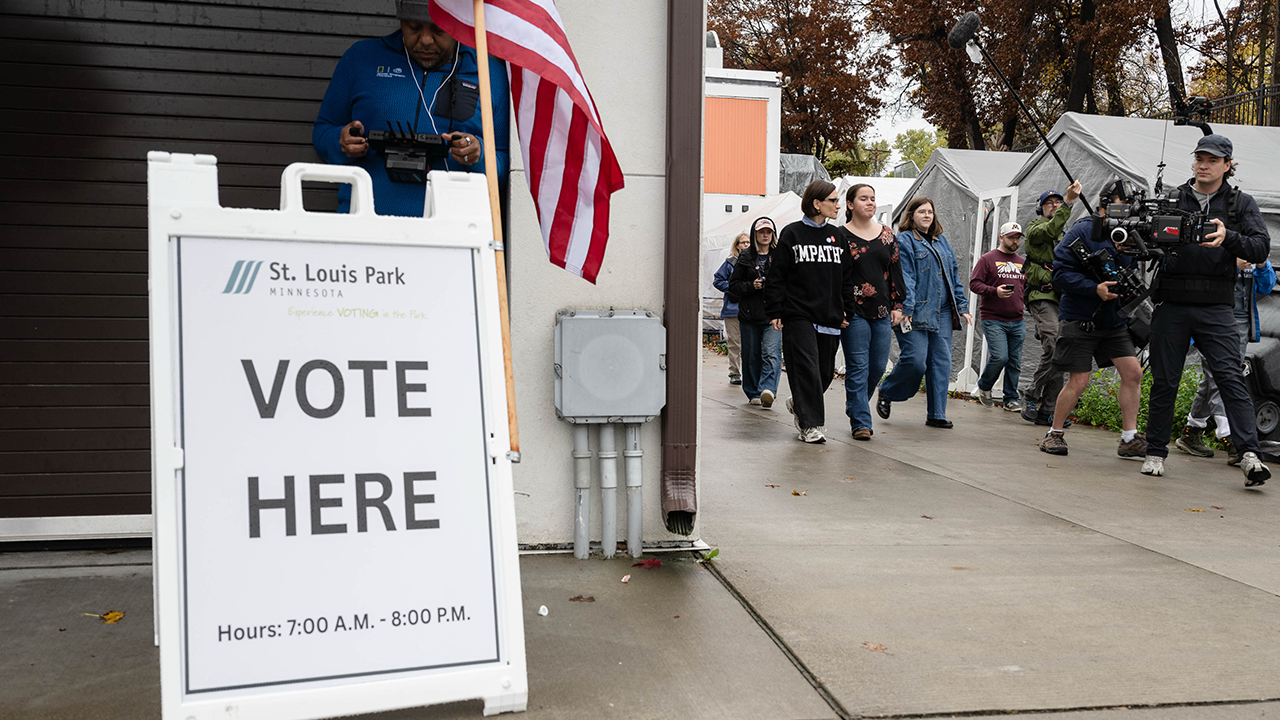
Election nights can feel loud and decisive, but the morning after still belongs to everyday life. Bills still stack up, neighborhoods still need help, and promises on a podium do not magically fix any of it. That is the sharp point at the center of this piece: vote, watch closely, but never hand over personal responsibility to politicians and expect rescue.
That message lands hard because it comes from lived experience, not a talk-show lecture. In Chicago’s South Side, the gap between campaign language and daily reality is impossible to ignore, especially when people are dealing with joblessness, violence, and the pressure of rent, utilities, and groceries. The basic truth is simple enough to sting: elected leaders can influence the atmosphere, but they cannot live your life for you.
There is a long-standing habit in American politics of treating officeholders like problem-solvers who can be trusted to carry the whole load. That idea sounds comforting, but it often leads to disappointment, especially in communities that have heard grand promises for years while conditions stayed rough. The piece pushes back on that fantasy and argues that too many people give politicians more credit than they deserve.
It also makes a broader point about leadership and character. The best people in a society are not always the ones chasing office, and the ones in office are not automatically the wisest or most committed. That leaves a gap between public image and real service, and that gap is where many neighborhoods get stuck waiting instead of building.
A big part of the argument comes from work done on the ground with young people and families. When violence, addiction, and broken households become normal, political slogans start to look thin fast. A campaign can talk about renewal all day, but if a community is still losing children to crime and adults to despair, it becomes obvious that change has to start closer to home.
The story of Carlton Archer drives that point home in a painful way. A teenager’s death is the kind of tragedy that no press conference can undo, and no election can erase. The response that followed was not rooted in waiting for a stronger city hall or a better bureaucracy, but in taking action that might actually save lives.
That action turned into something visible and lasting. A place associated with violence and decay was eventually transformed into a center for learning, training, and opportunity. The contrast is powerful because it shows what happens when people stop waiting for permission and start building something better themselves.
What makes the transformation matter is not just the building itself, but the mindset behind it. Real progress often comes from stubbornness, faith, and a refusal to accept decline as permanent. When a community invests in people, skills, and discipline, it starts creating its own momentum instead of depending on speeches from distant leaders.
The lesson is not to ignore elections or shrug off civic life. Voting still matters, and public officials still shape laws, budgets, and institutions. But the deeper warning is that no ballot can replace personal resolve, neighbor-to-neighbor effort, or the decision to stop waiting for somebody else to make life better.
That kind of message hits a nerve because it cuts against the common habit of outsourcing responsibility. Too many people want relief without sacrifice, progress without discipline, and rescue without ownership. The reality is tougher and more useful than that, and it leaves room for something more honest, more grounded, and a lot more effective.
In the end, the strongest force in any community is still the people willing to get to work. Politicians come and go, slogans fade, and officeholders inevitably disappoint someone. What sticks is the person who decides to stand up, take stock, and start saving the part of life that can actually be saved.
