
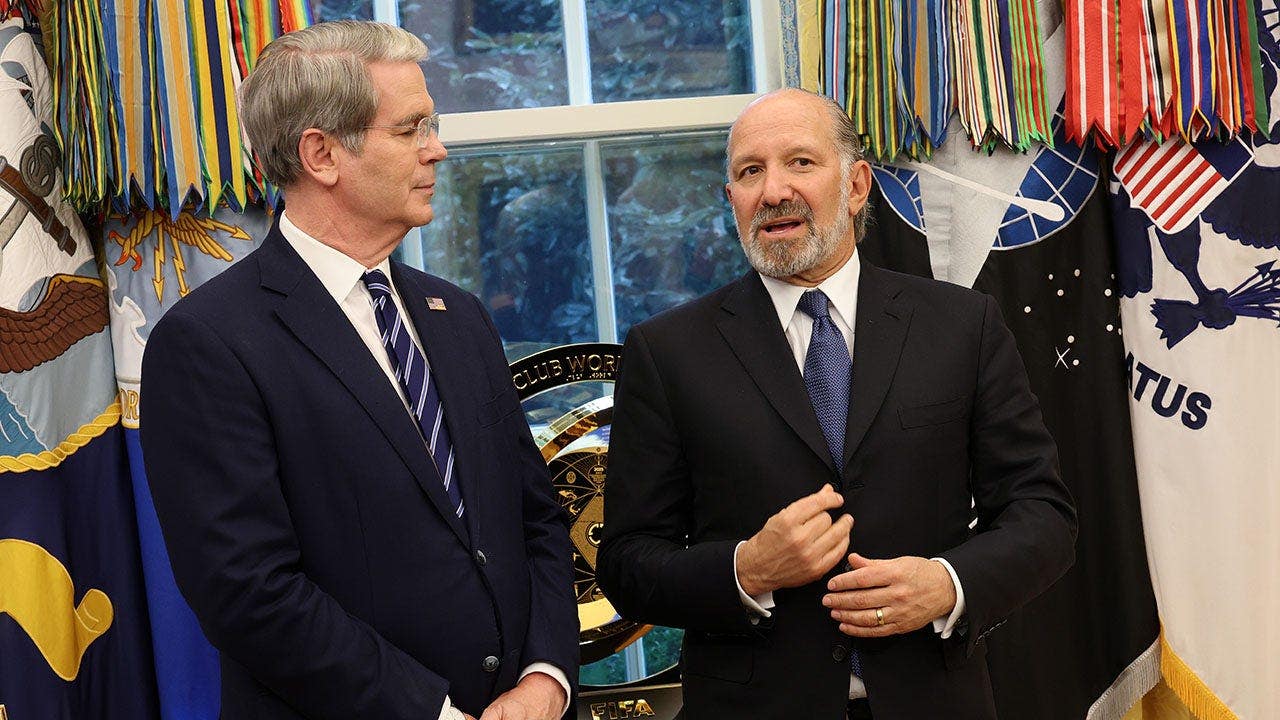
A White House meeting reportedly erupted into a sharp internal fight after a new China-related scandal landed in the middle of President Donald Trump’s team. At the center of it all was a growing dispute over how fast the administration should move against a company tied to suspected Chinese espionage.
According to the report, Treasury Secretary Scott Bessent had little patience left for Commerce Secretary Howard Lutnick. The tension boiled over after claims surfaced that Lutnick had dragged his feet on placing Megaspeed International on the Entity List, even after intelligence concerns were already on the table.
The issue became even hotter because the company in question was linked to a broader espionage mess involving former Nvidia CEO Jensen Huang. Huang reportedly admitted to an affair with a suspected Chinese spy, which added a nasty personal layer to an already serious national security fight.
Bessent is said to have confronted Lutnick directly during a Situation Room meeting, and other officials reportedly lined up behind him. The group included top names like Secretary of State Marco Rubio, Secretary of War Pete Hegseth, and U.S. Trade Representative Jamieson Greer, turning the room into a full-blown showdown over how the administration should respond.
The core policy fight was not subtle. Trump had already pushed for action against companies suspected of helping China get access to Nvidia’s advanced AI chips, and the Entity List was the obvious tool for the job. That list is used by the Commerce Department to flag companies the U.S. sees as a serious national security threat.
Even so, the delay reportedly kept happening. The company under scrutiny, Singapore-based Megaspeed International, is described as one of Nvidia’s biggest customers, and the spy-related allegations put it squarely in the crosshairs.
Trump had reportedly approved action three separate times, including in May, August, and again just days before the latest clash. The repeated approvals made the holdup look worse, especially to officials who wanted the administration to stop talking and start blocking the flow of sensitive chip technology.
The pressure spiked again when the group later met with Trump in the Oval Office. He allegedly repeated the order with a simple line: “Let’s get it done.”
But that still did not end the back-and-forth. Lutnick reportedly said, “I’ll develop some options and come back,” which only intensified the frustration in the room. The response from others was blunt, with the message that the president had already made the decision and the job now was to execute it.
Lutnick’s role in the episode became a major flashpoint because he had allegedly received a memo warning him about the intelligence tied to Huang’s relationship with the suspected spy. That detail raised the stakes fast, since it suggested the warning signs were there long before the public scandal exploded.
The Commerce Department tried to calm the waters, stressing that it works closely with the Treasury Department and is aligned with Trump’s agenda. A spokesperson also said Lutnick had chosen to appear before the Senate Banking Committee on Dec. 10, where the questions are likely to be sharp and the mood even sharper.
Bessent, for his part, did not lean into the drama when asked about it on CNBC. He said the agencies were coordinating on Megaspeed’s status, but pushed the details back toward Commerce and the Bureau of Industry and Security.
“You will have to ask them about their internal proceedings,” Bessent said. The answer had the feel of a man willing to acknowledge the fight without feeding it any more fuel.
The scandal now sits at the messy intersection of politics, espionage, and the global race for artificial intelligence power. Nvidia chips are not just hardware anymore, they are strategic leverage, and every delay in controlling where they go raises the temperature in Washington fast.
Jensen Huang’s resignation as Nvidia CEO added yet another jolt to the story, along with reports that the company opened its own investigation into the affair. With the Treasury Department, the White House, and Nvidia all caught in the ripple effect, the situation has kept stretching farther than anyone in that room likely wanted.

1 Comment
Just fire the SOB. Employees that do not follow orders are useless.