
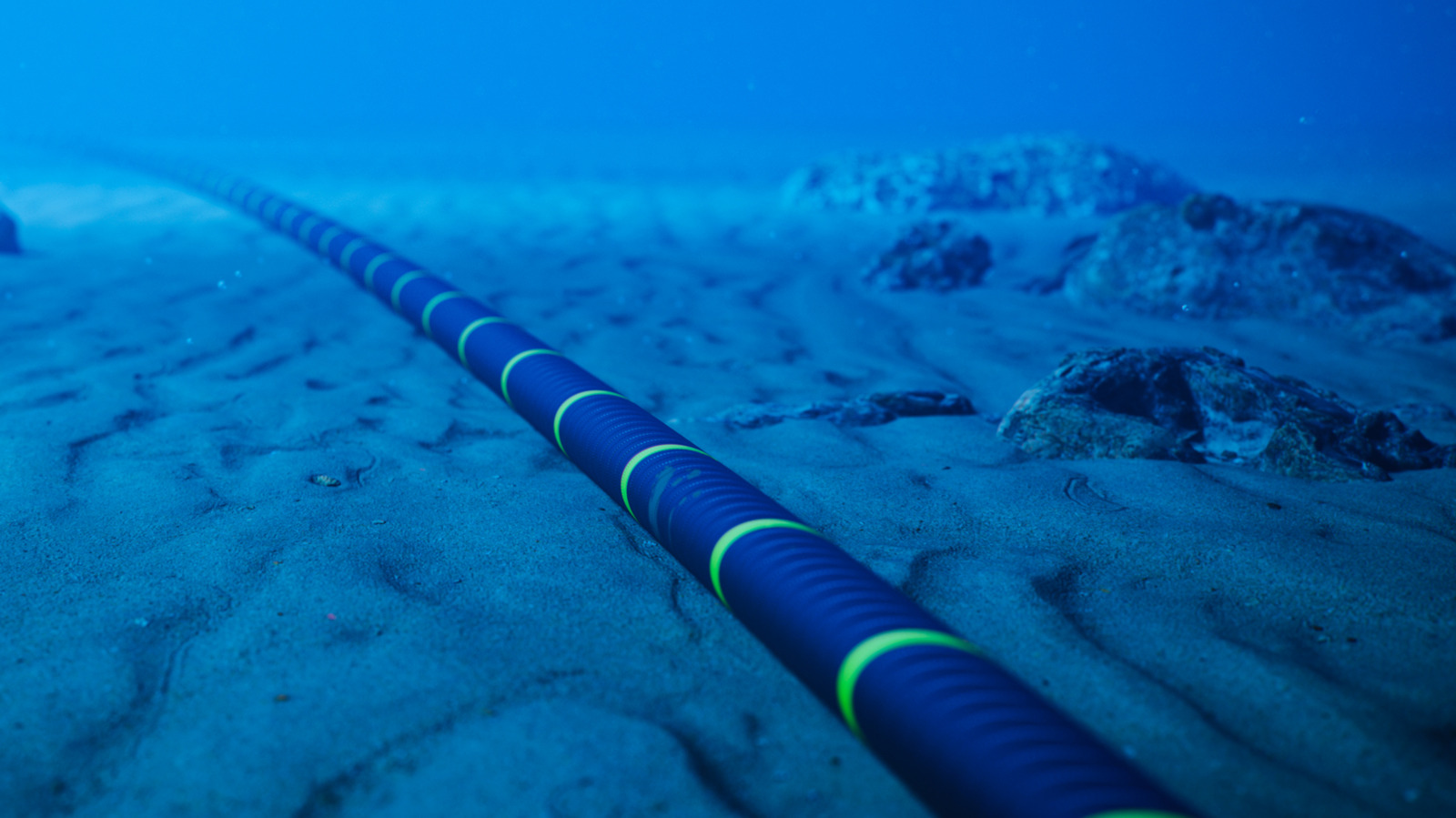
- Undersea cables power global communications and internet traffic.
- Ownership is split among private companies, telecom carriers, and big tech firms.
- Many cables are co-owned through shared investment and operating agreements.
- The global network includes hundreds of systems, both active and planned.
- Cable routes vary widely in length and layout across the ocean floor.
Undersea cables are one of those invisible systems that hold the modern world together. They sit on the ocean floor, quietly moving huge volumes of data between continents while satellites grab most of the spotlight. The scale is wild, with more than 930,000 miles of active cables estimated to be in service by early 2026.
So who actually owns them? The short answer is that ownership is mostly private, with telecom companies, internet providers, and major tech firms all playing a part. Some cables belong to a single company, while others are jointly owned by several businesses that split the cost of building and running them.
This setup did not appear overnight. In the early days, telecom carriers led the charge because they needed reliable ways to connect international phone and data networks. As the internet exploded and cloud services took over more of daily life, ownership expanded far beyond the old phone-company model.
Today, the list of owners includes familiar names like Amazon, Google, and Meta, alongside private cable operators and telecom giants. These companies need massive, stable data routes to support search, streaming, cloud storage, messaging, and all the other traffic that never stops moving. The cables are not just infrastructure, they are the backbone of the digital economy.
The global map of submarine systems keeps growing too. TeleGeography’s 2026 figures track 709 undersea cable systems worldwide, with 607 active and another 102 planned for the future. That mix shows how fast the network continues to expand as demand keeps climbing.
Not every cable follows the same pattern either. Some are simple point-to-point links between two places, while others split into multiple branches and land in several countries. That flexibility lets a single system support a wider region without needing a completely separate line for every connection.
The lengths can be just as dramatic as the routes. Some cables stretch only about 80 miles, while others run far longer and cross vast stretches of ocean. One cable reaches roughly 28,000 miles, making it the longest undersea cable in the world and a massive example of how far these networks can go.
Even with all that distance, the value of the system comes down to speed, scale, and reliability. A huge share of global communication depends on these lines, and certain choke points carry special weight because so much traffic funnels through them. The network may be hidden from view, but it is anything but minor.
