
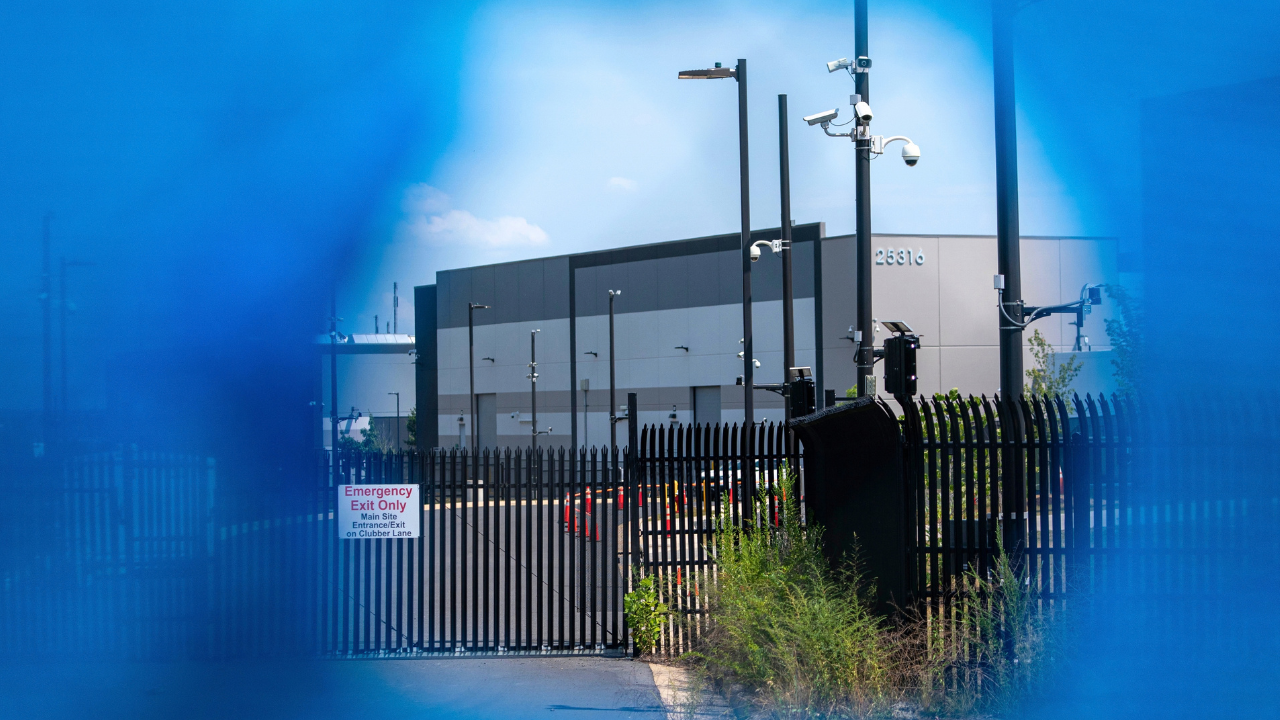
Deep-red counties that became home to big data center plans ended up moving left in the midterms, and the backlash looks bigger than many Republicans probably expected. A new conservative analysis links those projects to local anger over power bills, water use, secrecy, and lost control at the county level.
That anger showed up in the numbers. The analysis, based on election returns and project records from 1,540 counties across 16 states, found that counties with large data centers shifted 2.2 percentage points more toward Democrats than similar counties without them. The pattern showed up in most of the states examined and across nearly all of the governor and Senate races in the study.
When the focus tightened to deep-red counties, the gap still held. Counties that President Donald Trump carried by at least 20 points in 2024 and that hosted large data centers posted a 2.1-point raw shift toward Democrats compared with similar counties without projects.
Proposal-stage projects also mattered. In deep-red counties where data centers were still being discussed rather than built, the Democratic shift was smaller but still noticeable after the analysis adjusted for past voting, population, geography, and demographic factors. The memo also found that Republican vote totals dropped while Democratic totals stayed mostly flat, which points to turnout and enthusiasm as part of the story.
The group behind the memo identified 114 proposed large data center projects across 92 deep-red counties, setting up more fights in places that usually vote reliably Republican. That matters because the local reaction does not look abstract at all. It looks like residents worried about their bills, their roads, their water, and whether giant corporations are cutting deals without asking anyone first.
Humans First chairwoman Amy Kremer argued that the issue hits voters where they live. “Our analysis looked at how counties with data centers voted and how those counties moved to the left,” she said, adding that people respond when politics touches their wallets, health care, families, homes, and neighborhoods.
She also said the fight has less to do with technology itself and more to do with how it lands in a community. “Whether you’re talking about AI technology or the infrastructure needed to build AI data centers, the American people have not had a seat at the table,” Kremer said. “They haven’t had a say in how the technology affects them or how the data center buildout affects their communities.”
That local-control message kept coming up. Kremer said developers often arrive through closed-door arrangements, using nondisclosure agreements and shell companies, and by the time residents learn the details, the project is already moving fast. In her view, that is exactly the sort of thing that makes voters feel sidelined and ready to push back.
The political warning signs also line up with ballot-box behavior. In 2026, voters backed restrictions on data center development or rejected pro-project measures in 46 of 47 local ballot questions, according to Ballotpedia. Those measures were not all the same, but the trend was loud enough to send a clear signal about where local sentiment sits.
The economic debate around data centers is not going away either. The Energy Department has said data centers used 4.7% of U.S. electricity in 2024 and could climb much higher by 2030, while regulators have started looking harder at how to keep the costs from spilling onto ordinary customers. That is the kind of number that gets attention fast in places already worried about utility bills.
Tax breaks are another flashpoint. At least 38 states offer some kind of data center incentive, and critics see that as wealthy companies getting special treatment while communities absorb the strain. Supporters counter that the projects can bring investment, jobs, and tax revenue, which keeps the fight alive in county after county.
Humans First is not pushing for a blanket ban, and that may be part of why the message is landing. The group is framing the issue as simple local control, letting communities approve a project if they want it or reject it if they do not. In places where people already feel steamrolled, that kind of language can hit hard and keep the pressure on politicians who thought data centers would stay a backroom issue.
