
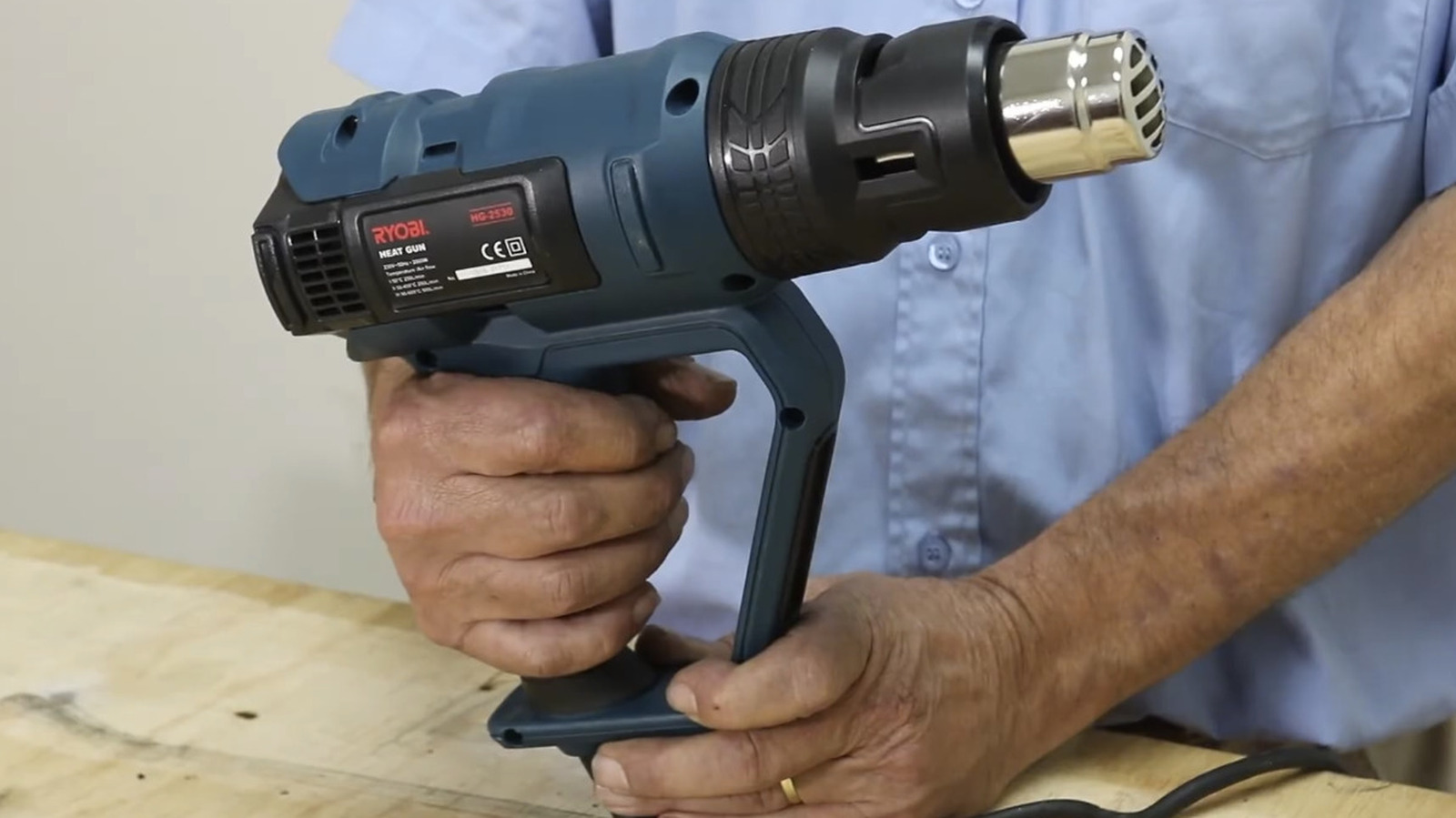
Ryobi’s color split is one of those weird branding stories that keeps showing up in tool aisles around the world. In the U.S., the brand is tied to its bright green look, but in places like Japan and South Africa, blue and teal still have a strong presence. That difference comes from a company split that left the Ryobi name on two separate product families, each with its own market and identity.
For a lot of shoppers, the first reaction is simple confusion. The name says Ryobi, the logo looks familiar, yet the color is completely different, and that can make the lineup feel like two versions of the same thing that should not exist side by side.
Ryobi used to lean on blue in American markets too, but the brand later shifted to green and never looked back. That change traces back to a corporate shakeup in the late 2010s, when Ryobi’s power tool business was divided between different companies handling different parts of the world.
Since 2018, Hong Kong-based Techtronic Industries has managed the Ryobi tools sold in the United States, Europe, Australia, and several other Western markets. In other regions, Kyocera Industrial Tools Corporation controls the power tool side of the brand, including Japan and parts of Asia and Africa. That is why the same name can point to different tool lines depending on where someone is standing in the store.
The blue and green versions are not just painted differently for fun. They come from separate business setups, separate manufacturing control, and separate product decisions, which gives each line room to evolve on its own terms. In practical terms, that means the blue tools are not simply old green tools in a different jacket.
Kyocera owns a major stake in Ryobi Limited, while TTI handles Ryobi-branded products through its own trademark arrangement. That split is the real heart of the story, because it explains why the brand can feel unified on the shelf while operating like two different worlds behind the scenes.
The biggest takeaway is that the blue lineup belongs to a different regional branch of the Ryobi story, not a hidden export version of the green tools Americans know best. TTI builds the green tools, Kyocera oversees the blue ones, and both sides can make separate calls on design, parts, and platform choices.
Batteries are where the differences start to matter even more. Some older blue Ryobi tools sold in the U.S. used nickel-cadmium batteries, though that technology has long since given way to lithium-ion power. Modern blue and green Ryobi tools may share lithium-ion chemistry, but that does not mean batteries automatically swap cleanly between old and new systems.
That battery detail is the kind of thing that can save a lot of frustration later. A tool might look familiar, the label might say Ryobi, and yet the pack sitting on the shelf could be incompatible with the one already in the garage.
For buyers in places where blue Ryobi tools are still common, the color is less of a relic and more of a living part of the brand. For shoppers in the U.S., the green lineup has become so dominant that it often feels like the only Ryobi that exists, even though that is far from the whole picture.
The result is a brand that wears one name but tells different stories depending on the region. One side is green and widely recognized in American stores, while the other keeps the older blue identity alive in select markets, where it still means something on its own.
